Seaside Walk
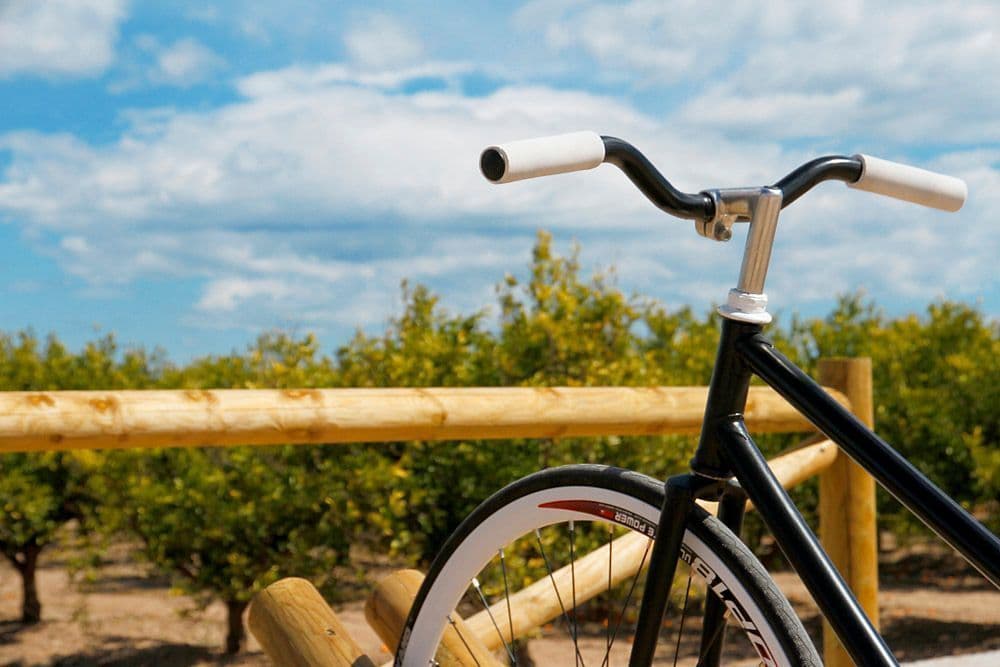
Pedestrian and cycling axis that connects the heart of the town with the breeze of the beach and the sea.

QUICK GUIDE

Create your own itinerary
Follow these 4 steps to save your personalized visit plan.
Add places
Press "Add to itinerary" on any landmark, route or service you see.
Order your plan
Drag places to reorganize the route to your liking.
Create the itinerary
Press "Create Itinerary" and save the generated link so you don't lose it.
Download as PDF
If you wish, export the full itinerary to take it offline.
QUICK GUIDE
Create your own itinerary
Follow these 4 steps to save your personalized visit plan.
Add places
Press "Add to itinerary" on any landmark, route or service you see.
Order your plan
Drag places to reorganize the route to your liking.
Create the itinerary
Press "Create Itinerary" and save the generated link so you don't lose it.
Download as PDF
If you wish, export the full itinerary to take it offline.
 Vernacular architecture
 Religious tourismPuçol Centre
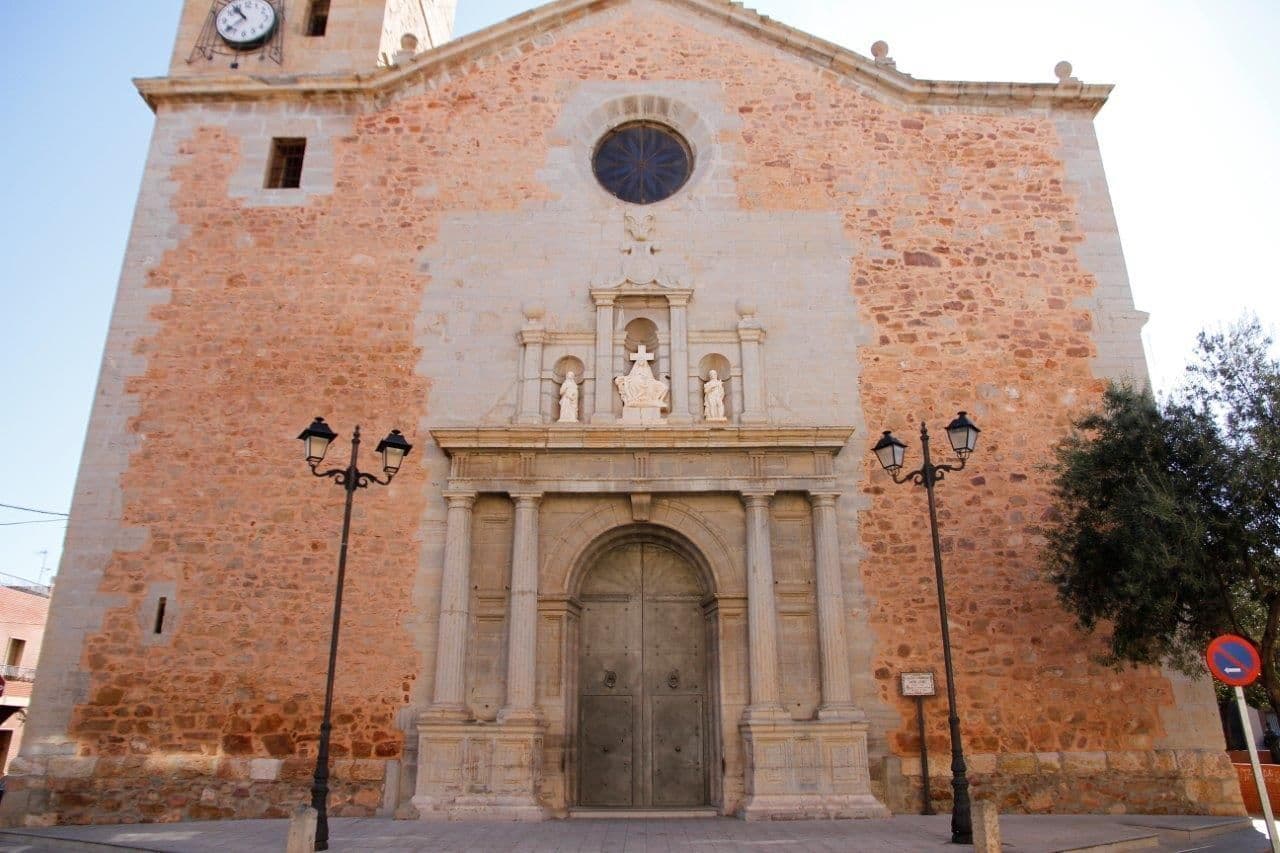
The Church of San Juan is Puçol's most representative monument today. It was part of a larger monumental complex that included an archbishop's palace and a botanical garden. These no longer exist, but they are fundamental to understanding the history of the church.
Puçol was an episcopal seigniory where bishops and archbishops had a palace for short periods of rest. Saint John of Ribera, Archbishop of Valencia, built the Church of San Juan, right next to this palace. And, as in Valencia, he constructed a covered passageway, that is, an elevated walkway connecting the palace and the church so that parishioners wouldn't have to go down to the street to attend Mass.
Construction of the church began in 1587, and a year later, on April 29, 1588, Saint John of Ribera blessed the first stone.
The master stonemasons were Antonio de Xado and Pedro de Xado, natives of Argoños (Cantabria). Juan de Fresnedo, Pedro de Fresnedo, Pedro del Solar, and Pedro de Ris, all also from Cantabria, worked on the construction of the church.
The church's construction was inspected every six years by Guillem del Rey and Joan Cambra, important master builders who worked on the Patriarchal and Monastery of San Miguel de los Reyes, respectively.
The Church of San Juan was an architectural landmark at the time, so much so that its master builders were commissioned to construct the Monastery of El Puig.
After twenty years of construction, Tomás de Espinosa, Auxiliary Bishop of Valencia, consecrated the church on October 28, 1607, and Saint John of Ribera transferred the Blessed Sacrament from the old church to the new one and celebrated the first Mass.
The main façade is of great artistic value. It was designed between 1588 and 1589 by Juan de Ambuesa, a native of Paris who was highly renowned in Valencia for his architectural expertise. He also worked on the Monastery of San Miguel de los Reyes and the Patriarchal Palace.
Unfortunately, Ambuesa died before he could build it, so finally, following his plans, Antonio de Xado and Pedro del Solar completed it in 1593.
The stone altarpiece is in the Classical style with Mannerist details and is crowned by a prelatial coat of arms, a symbol of the jurisdiction that the archbishops of Valencia held over Puçol and the Church of San Juanes. The images in the niches are recent; they were placed and blessed in 1975 and represent the Virgin at the Foot of the Cross, Saint John the Baptist, and Saint John the Evangelist, patrons of the church.
On the exterior, the bell tower is also noteworthy, built with stone blocks and crowned by a small temple with brick buttresses.
The church has a single nave with side chapels between buttresses. All the chapels have semicircular arches except for the first two, which are pointed. The nave is divided into five bays by slightly pointed transverse arches. The vault of the apse is ribbed with tracery in the Neo-Gothic style. The overall effect is characterized by the purity of lines, grandeur, and luminosity typical of the Renaissance. The pilasters, decorated in a marble-like style, and the stucco cladding date from the last third of the 19th century.
In the two chapels closest to the altar, there are two galleries: one above the side door, a reminder of the former connection between the church and the archbishop's palace, and the other in front of it, where an organ once stood.
The main altar is Baroque in style and features two statues of Saint John, set between Solomonic columns. But undoubtedly the most striking feature of the altar is the baldachin and the marble table depicting the four Evangelists: Saint Matthew, Saint John, Saint Mark, and Saint Luke, holding the book of the seven seals. This altar was consecrated on September 8, 1944.
In the sacristy is preserved one of the most important pieces of the church: a dust cover from a Gothic altarpiece, likely from the original church, representing God the Father and the Holy Spirit.
The Chapel of Communion is attached to the church, parallel to its nave, and has two entrances, one outside and the other inside the church. It was built between 1740 and 1747 under the direction of the parish priest, Tomás Aparisi. Later, in the 19th century, the parish priest Joaquín Alemany decided to extend it, and it was blessed in 1827. As a result of this extension, the dome was displaced from the center, and different types of plinths can be seen.
Two anonymous 17th-century paintings are preserved, depicting Jesus Christ instituting the sacrament of the Eucharist and the beheading of Saint John the Baptist.
But the most important work is the altarpiece carved by Manuel Vergara in 1748, one of the members of the great Vergara family. It is currently the only one by this master carpenter that has survived.
This altarpiece originally housed an image of the Immaculate Conception, which was destroyed during the war. From that moment on, it housed the church's treasure: the painting of the Virgin at the Foot of the Cross, patron saint of Puçol, which was previously located in the second chapel on the right.
This painting was found by the Venerable Pedro Muñoz on the Cabeçol del Puig mountain in 1570. This important discovery led, among other things, to the construction of the new Church of San Juanes, a larger church worthy of housing this treasure.
The entrance to the crypt is located at the foot of the church. It is accessed by a small staircase of 14 stone steps. It is rectangular in shape and measures 7.20 meters long by 4.30 meters wide and 3 meters high. The floor is tiled and the ceiling is a stone barrel vault. At the far end, a ceramic altarpiece of Christ on the cross can be seen.
Currently, the crypt is filled with earth because it served as a shelter during the Spanish Civil War. Two tunnels were excavated from inside, one leading to the Plaza San Juan de Ribera, where the archbishop's palace would have been, and the other leading to Calle San Juan. The first tunnel is approximately 40 meters long, and the second approximately 20 meters. Currently, the tunnels lead nowhere.
Pedestrian and cycling axis that connects the heart of the town with the breeze of the beach and the sea.
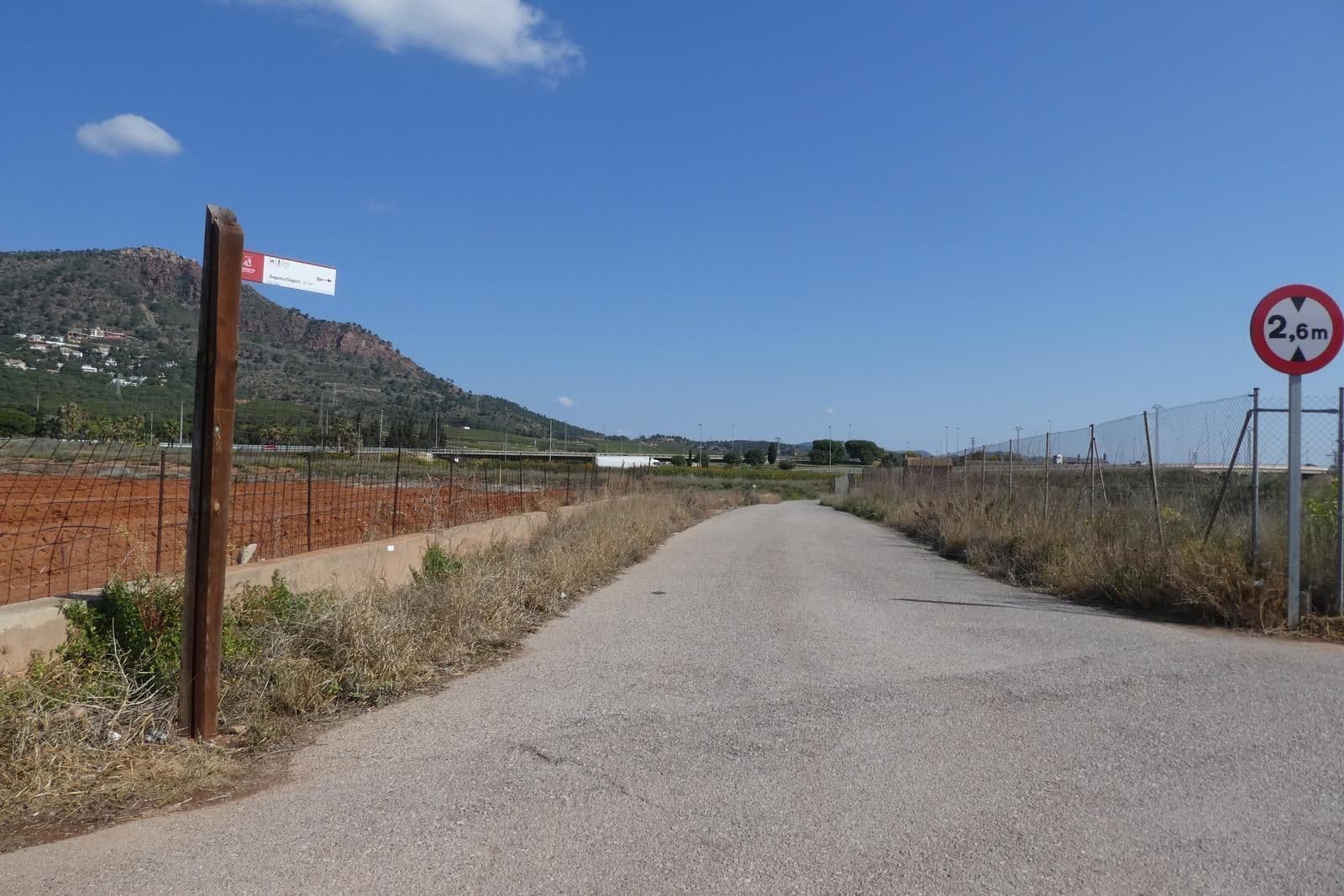
Historical-literary itinerary that follows in the footsteps of the Castilian knight Rodrigo Díaz de Vivar.
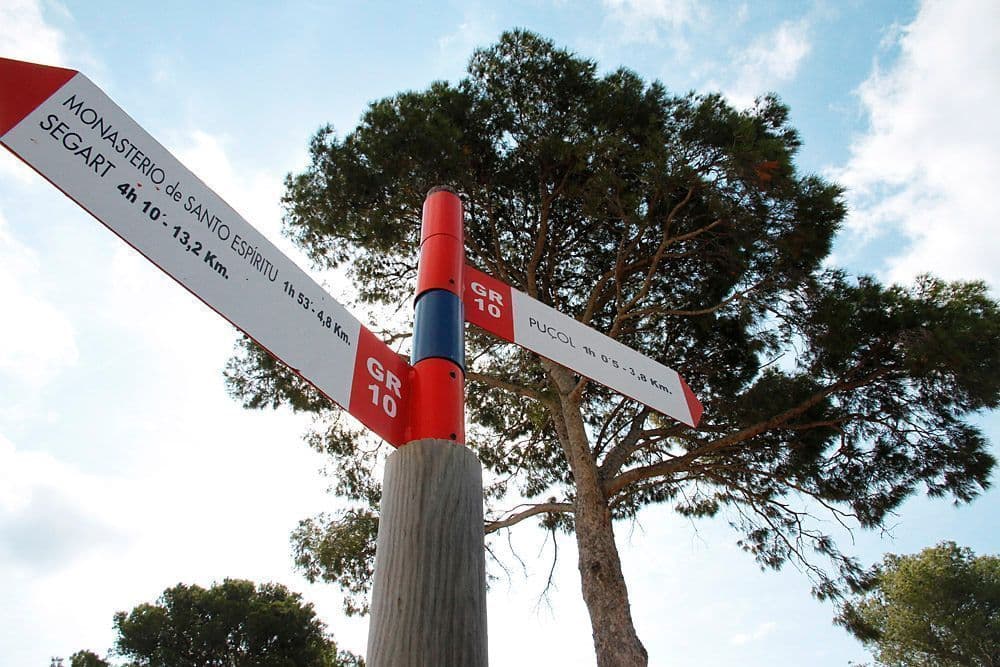
The longest trail on the Iberian Peninsula, linking the Mediterranean with the Atlantic. A trans-Iberian crossing that begins in the heart of our municipality.
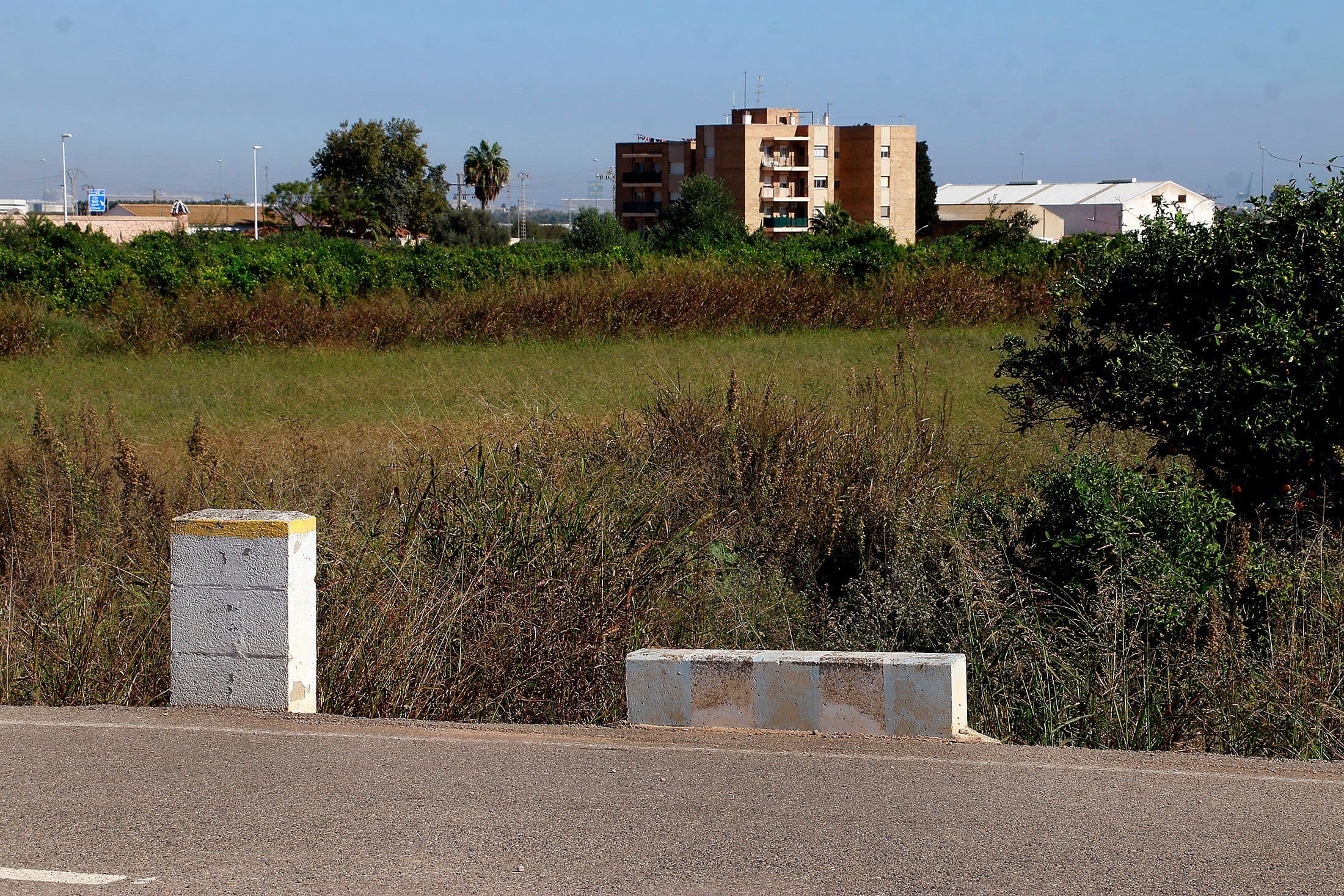
The longest Roman road in Hispania. A cultural and scenic route that skirts the Mediterranean, linking the Pyrenees with Cádiz.
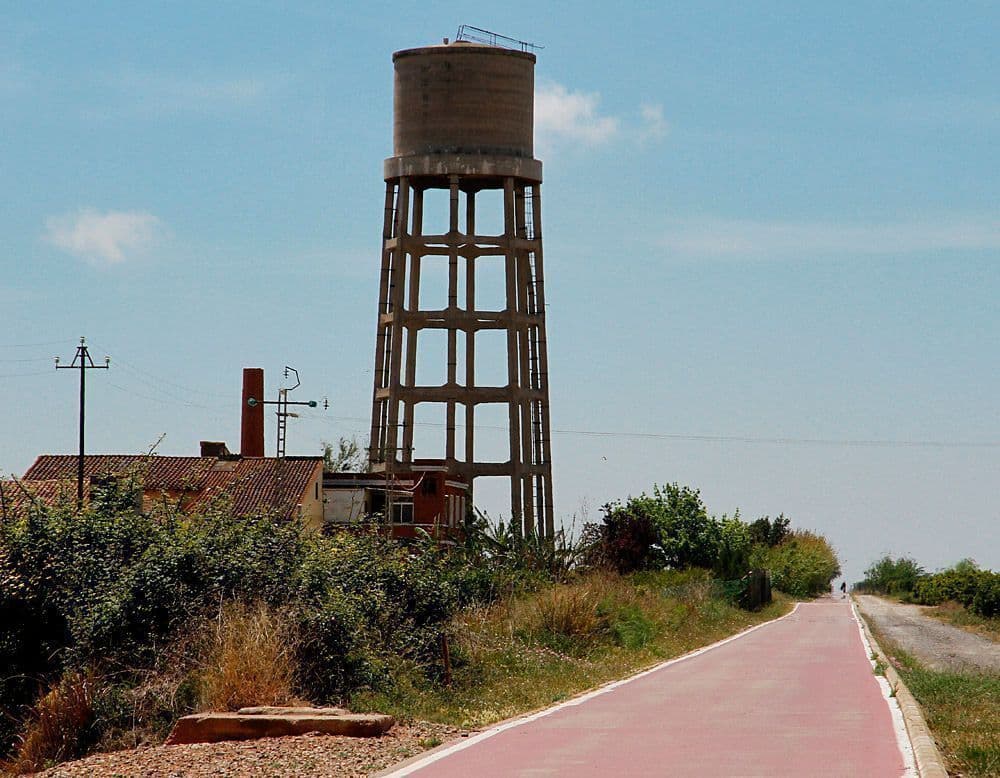
A cycle and pedestrian path that follows the route of the old mining railway. A peaceful walk through orchards that connects Puçol with Valencia.
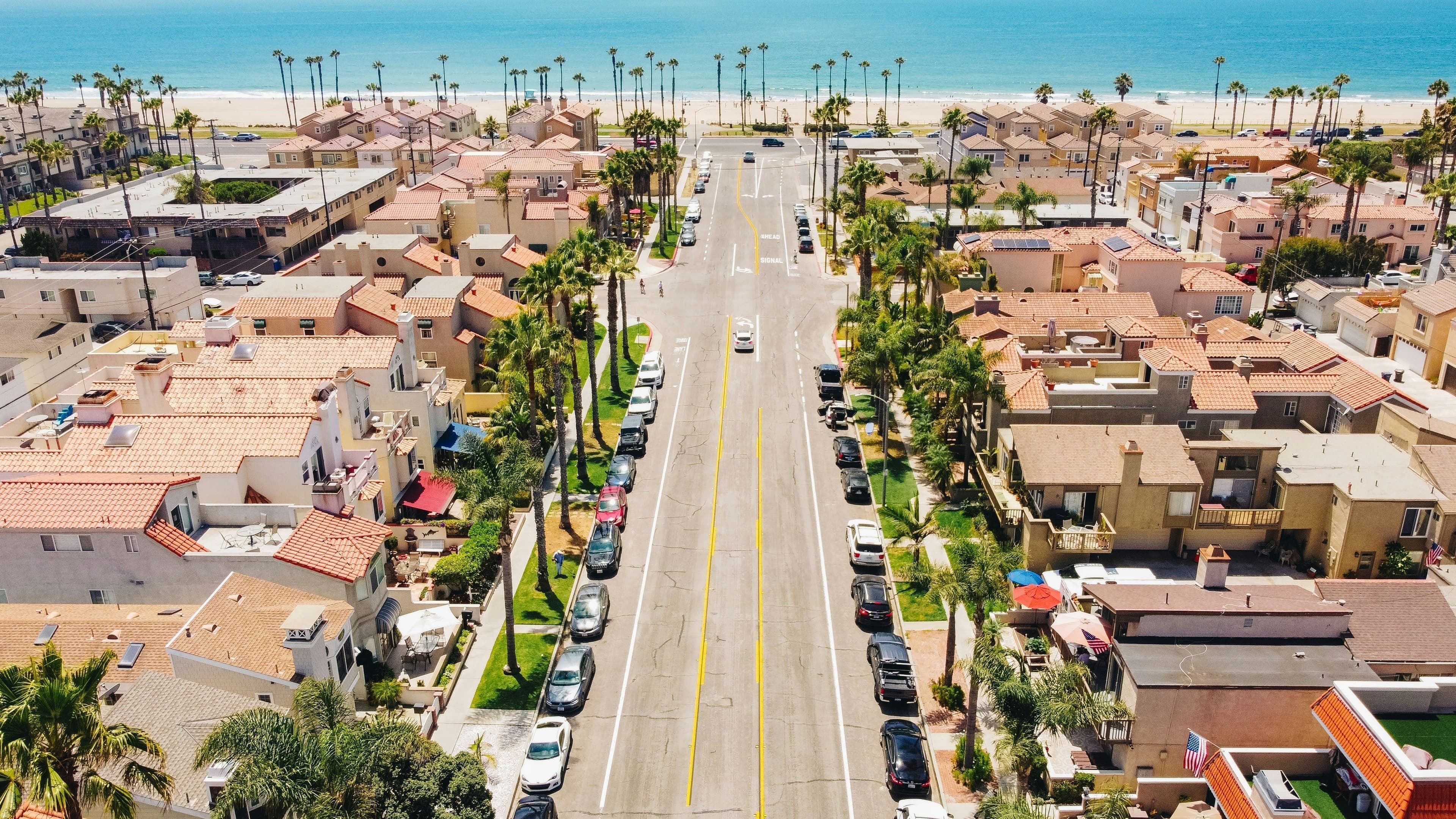
Large free parking area with direct access to the beach and promenade.
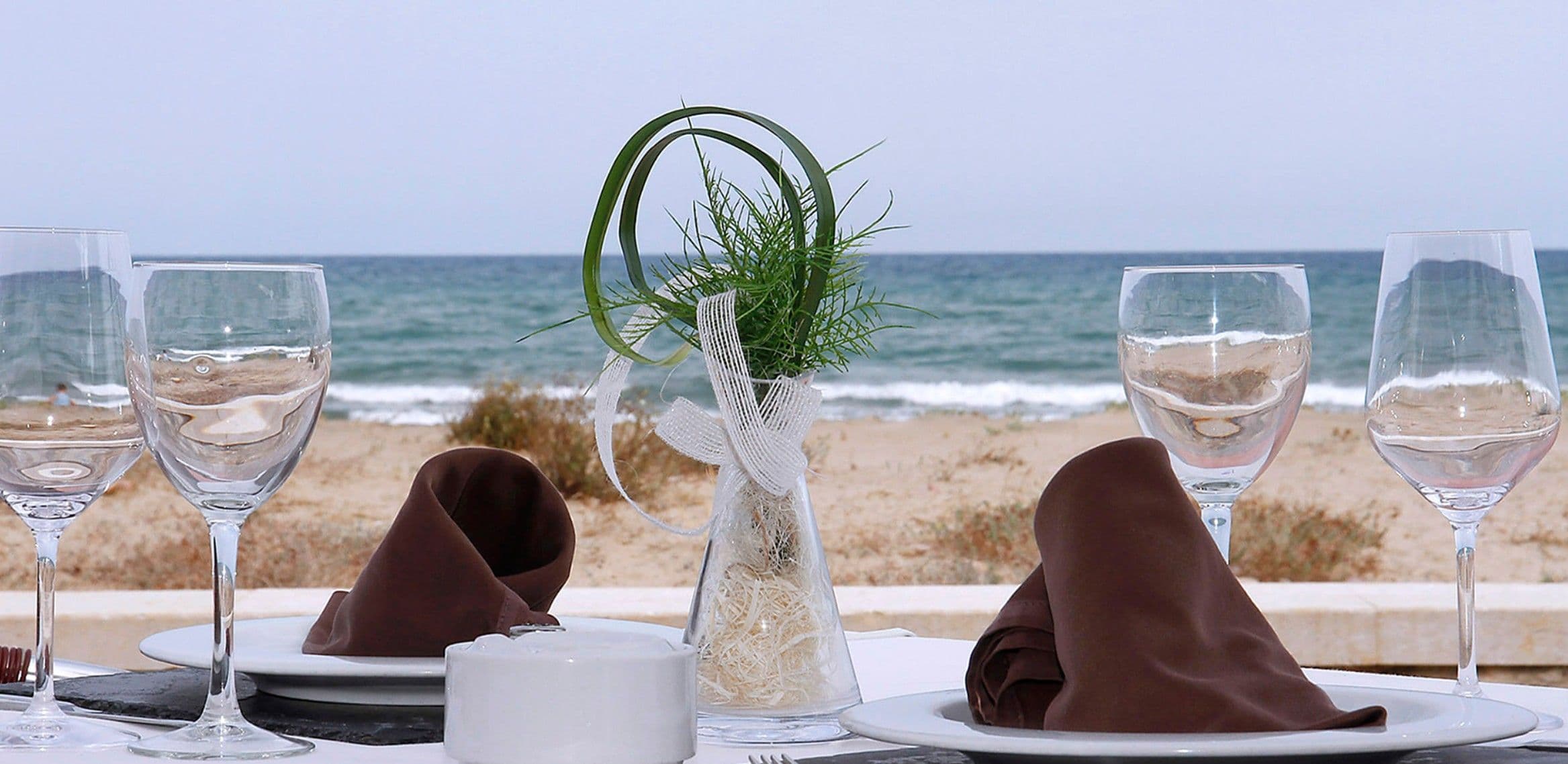
Galli is a Mediterranean restaurant where fresh produce, rice dishes, and traditional flavors take center stage. A welcoming, family-friendly space to enjoy classic cuisine by the sea.
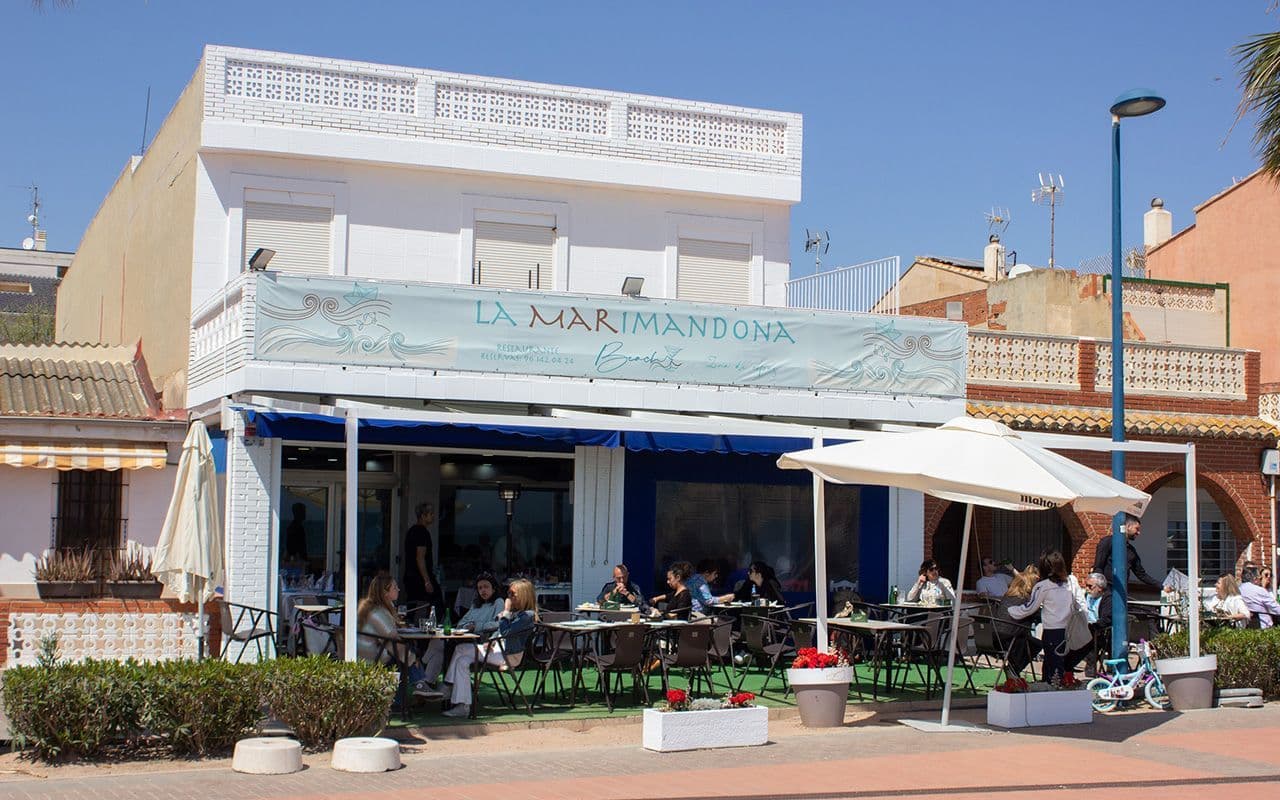
La Marimandona Beach offers a fresh and relaxed experience by the Mediterranean, with a fusion of Valencian and Italian cuisine, and in a relaxed atmosphere with sea views as the perfect setting to share great moments.
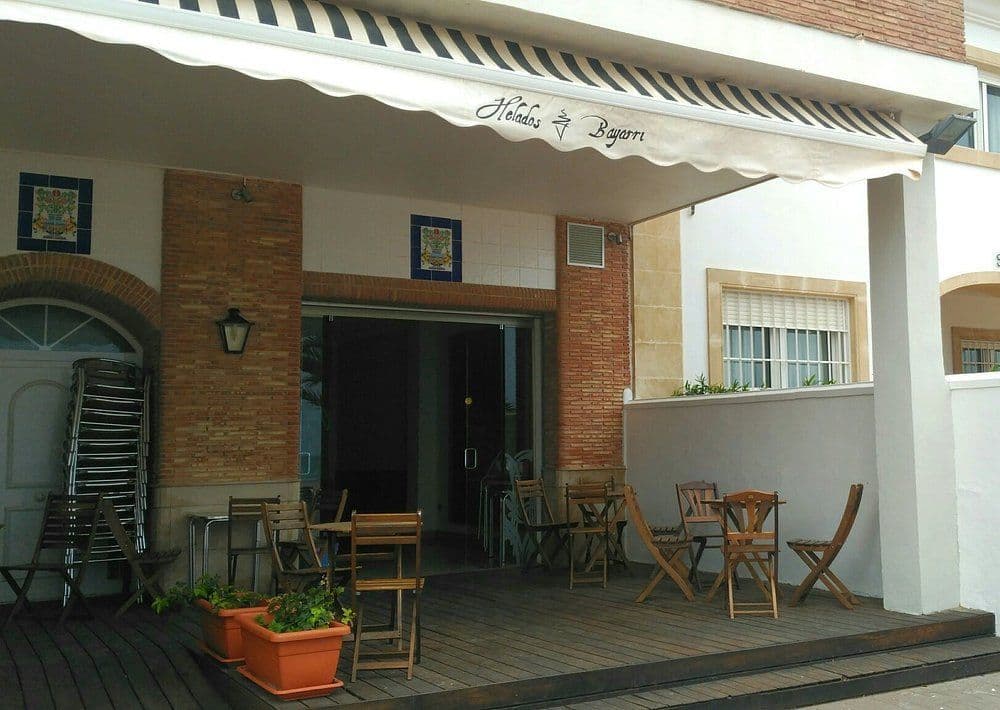
Helados Bayarri is an ice cream shop designed to enjoy the most refreshing flavors by the sea, with horchata and a wide variety of ice creams in an environment perfect for sharing moments with family or friends.
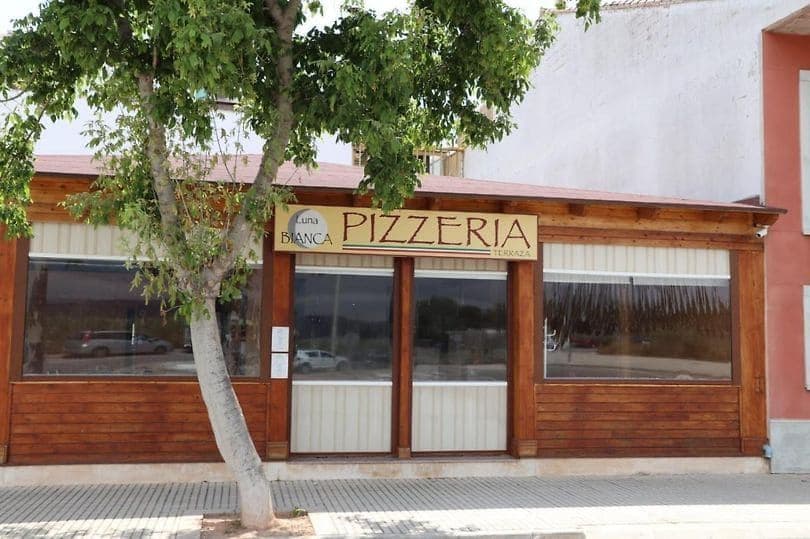
Luna Bianca is a cozy pizzeria with a friendly, family atmosphere. Artisan pizzas, pastas, and authentic flavors make every visit a memorable experience to enjoy and share.
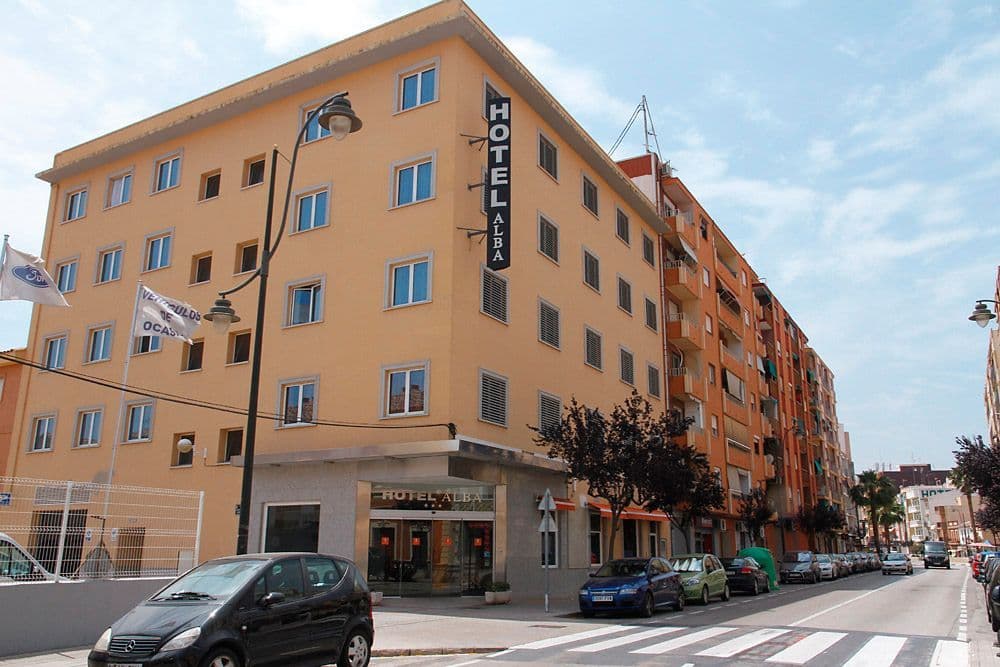
Modern and functional hotel, ideal for business stays or getaways near Valencia.
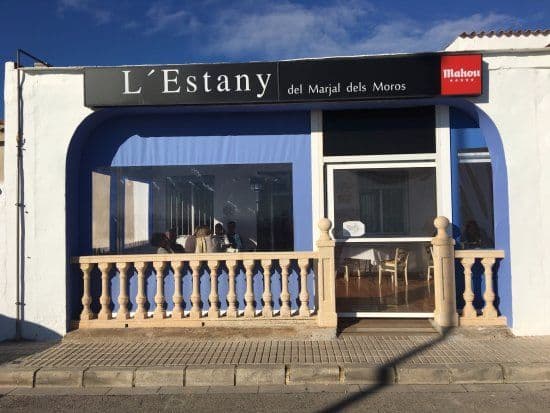
L’Estany is a restaurant that offers an experience linked to the rhythms of the sea and Mediterranean coastal culture. In a rustic setting, surrounded by nature, its menu features rice dishes, fresh fish, and grilled meats, with a Valencian essence alongside the Marjal dels Moros wetlands.

Quiet and welcoming campsite with a family atmosphere next to the Mediterranean Sea.
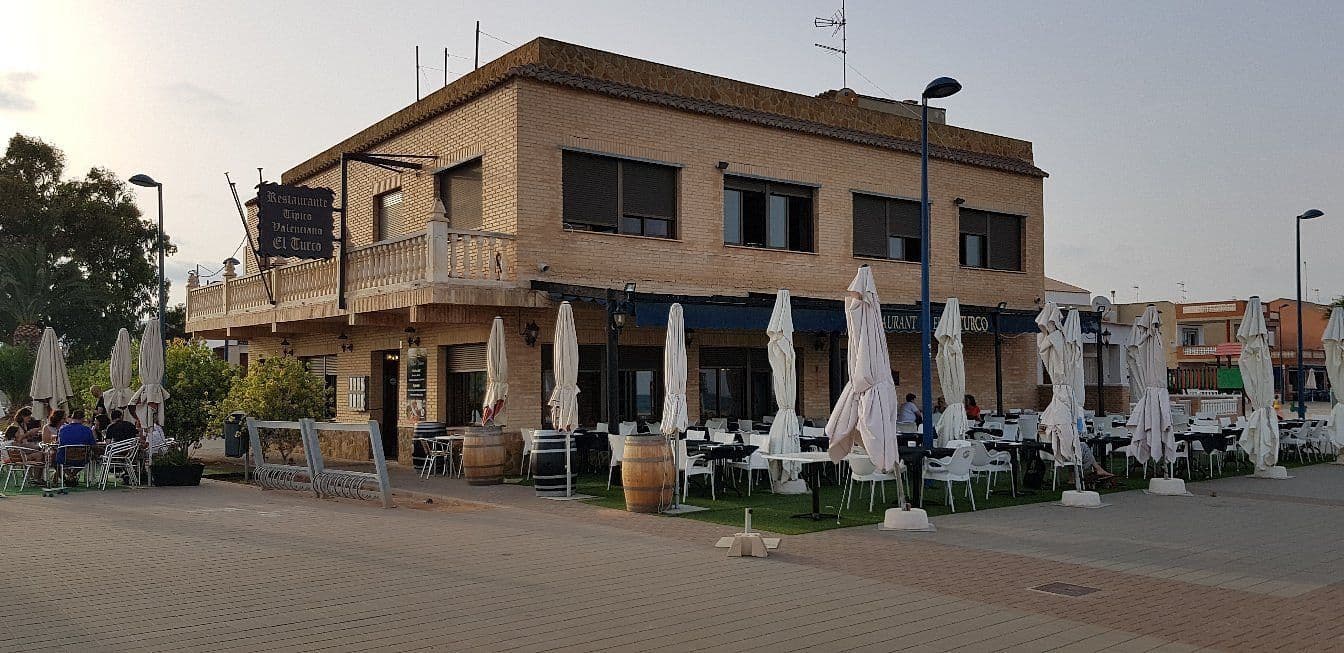
A restaurant with a Mediterranean essence where you can enjoy rice dishes, tapas, and fish from traditional Valencian cuisine in a friendly and welcoming atmosphere. El Turco combines a warm, family-friendly atmosphere with authentic flavors overlooking the sea in Puçol.
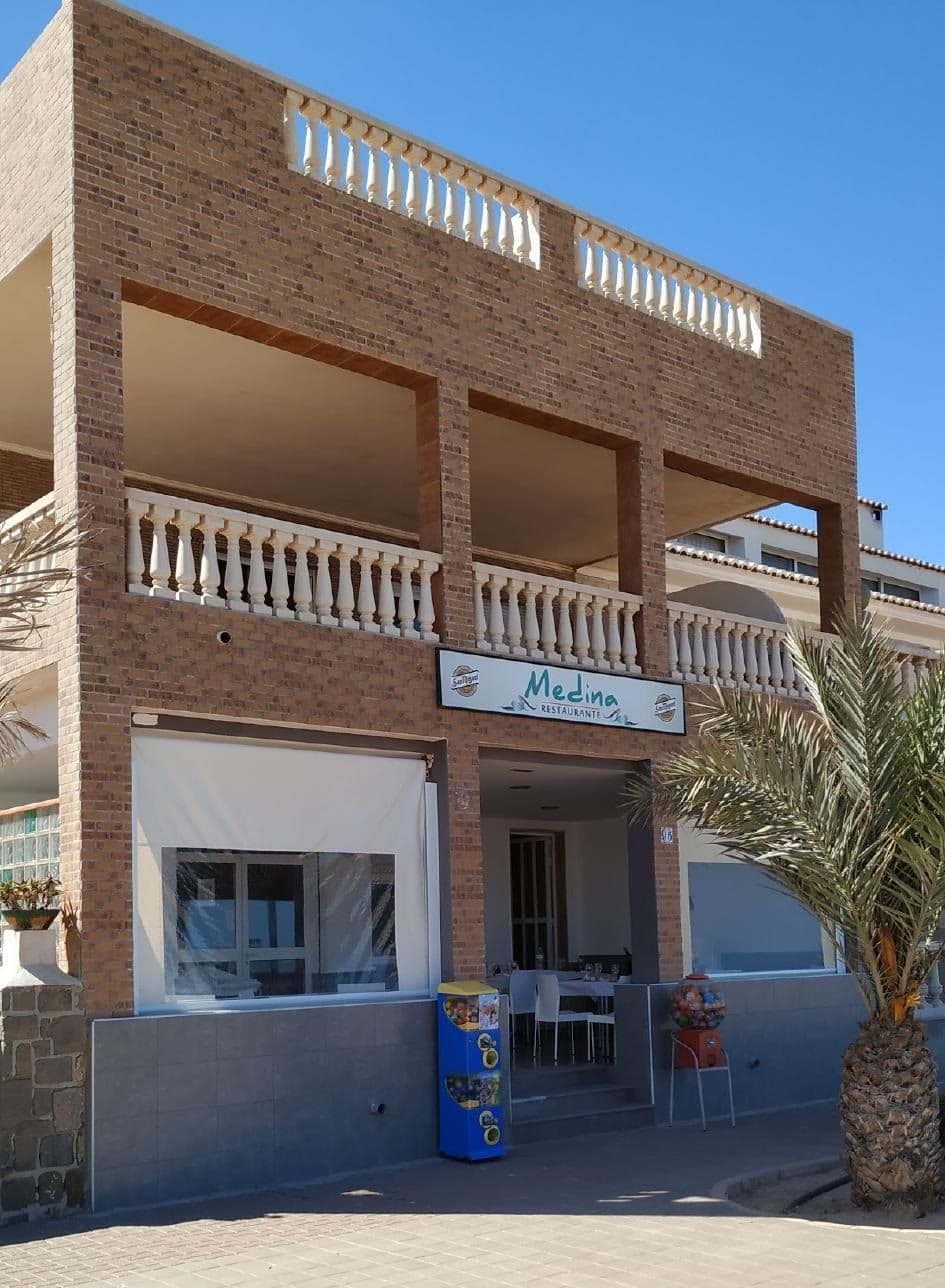
Bar Medina is a traditional meeting point on Puçol beach, ideal for enjoying tapas, meals and a friendly and relaxed atmosphere at any time of day.
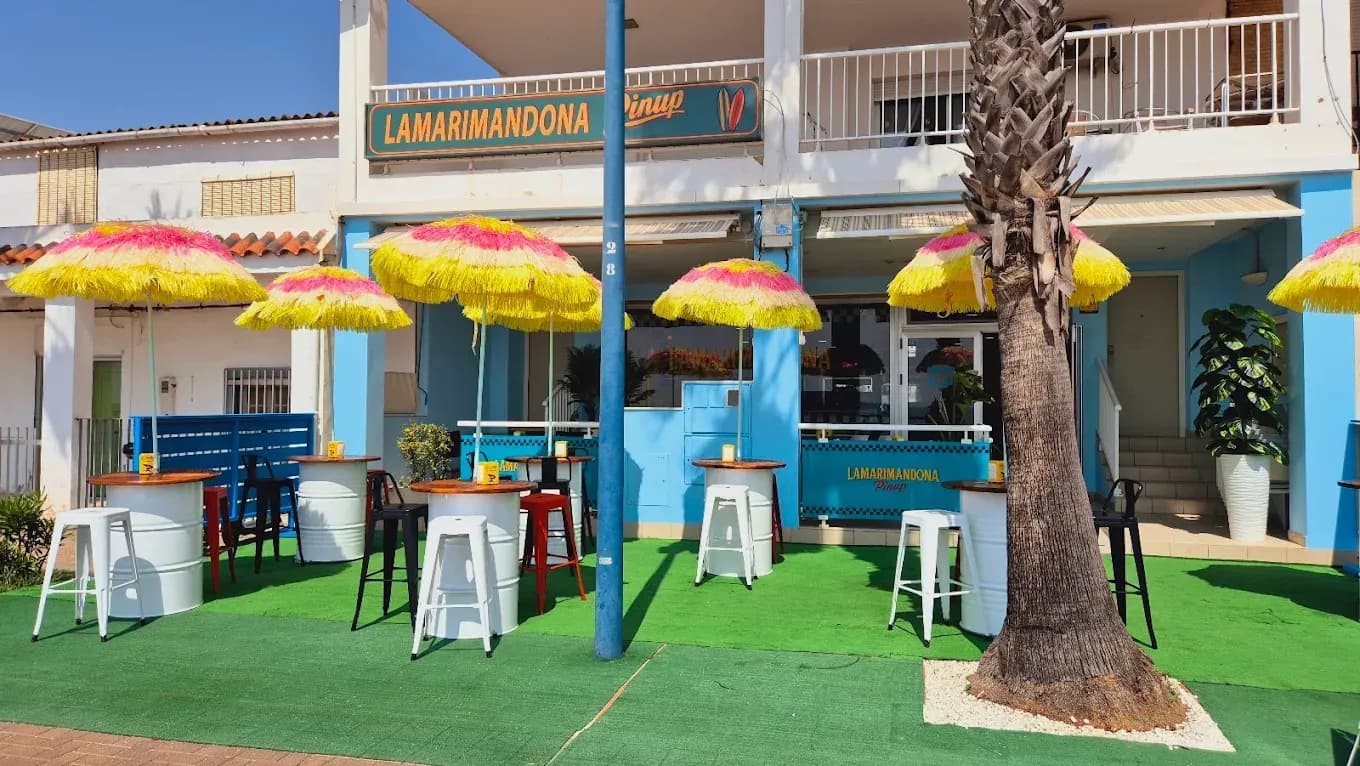
La Marimandona PinUp combines style and fun in its retro decor and musical ambiance. A place designed to enjoy great burgers and a variety of options from other culinary cultures.
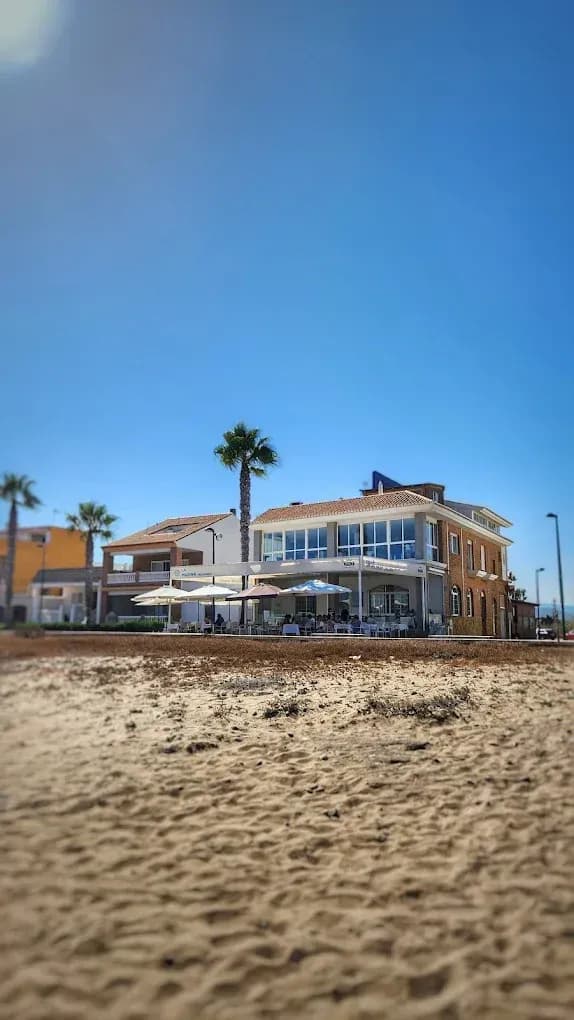
La Marina is a renowned restaurant on Puçol beach, specializing in Mediterranean cuisine, rice dishes, and fresh seafood. It's a place designed for enjoying tradition, flavor, and tranquility overlooking the Mediterranean.
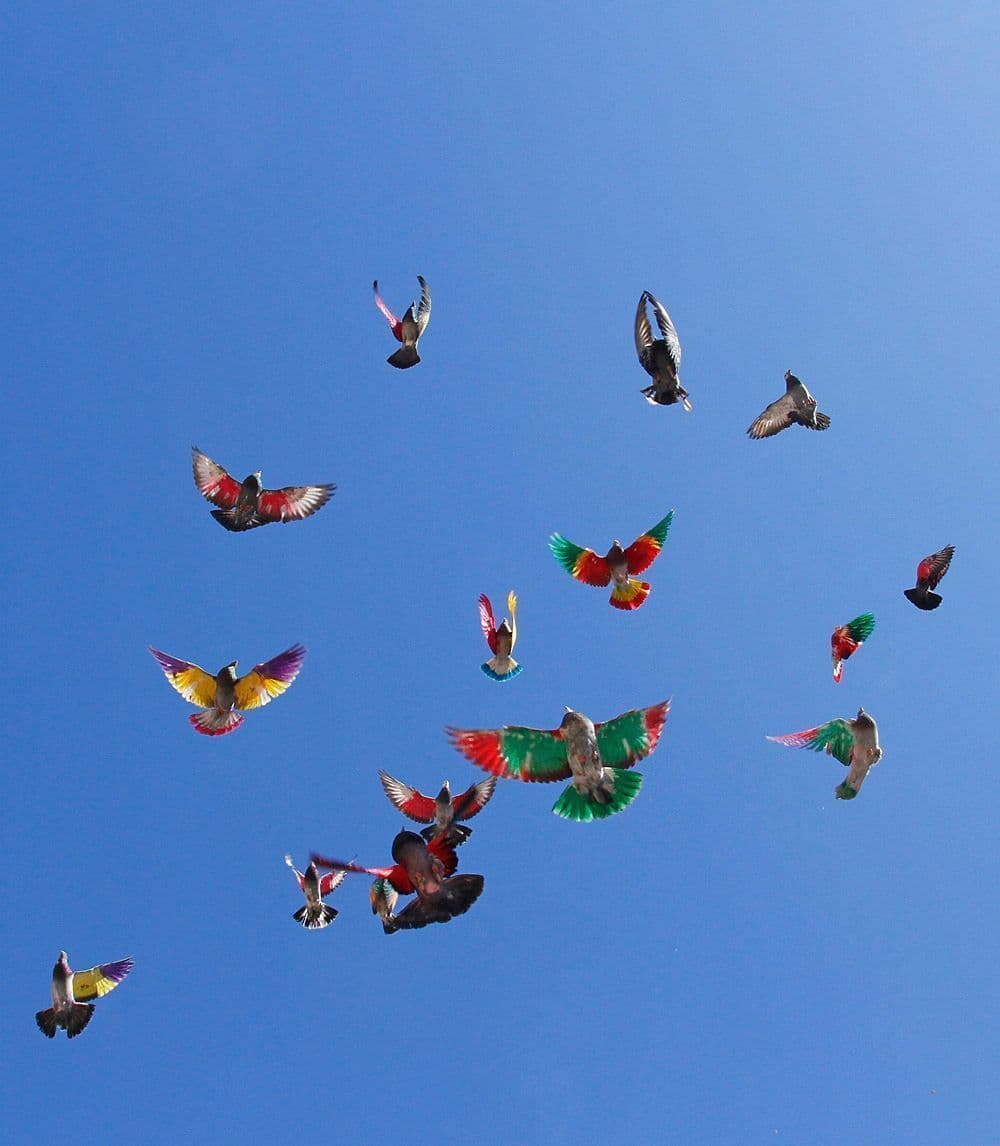
Traditions
Short description for Traditions
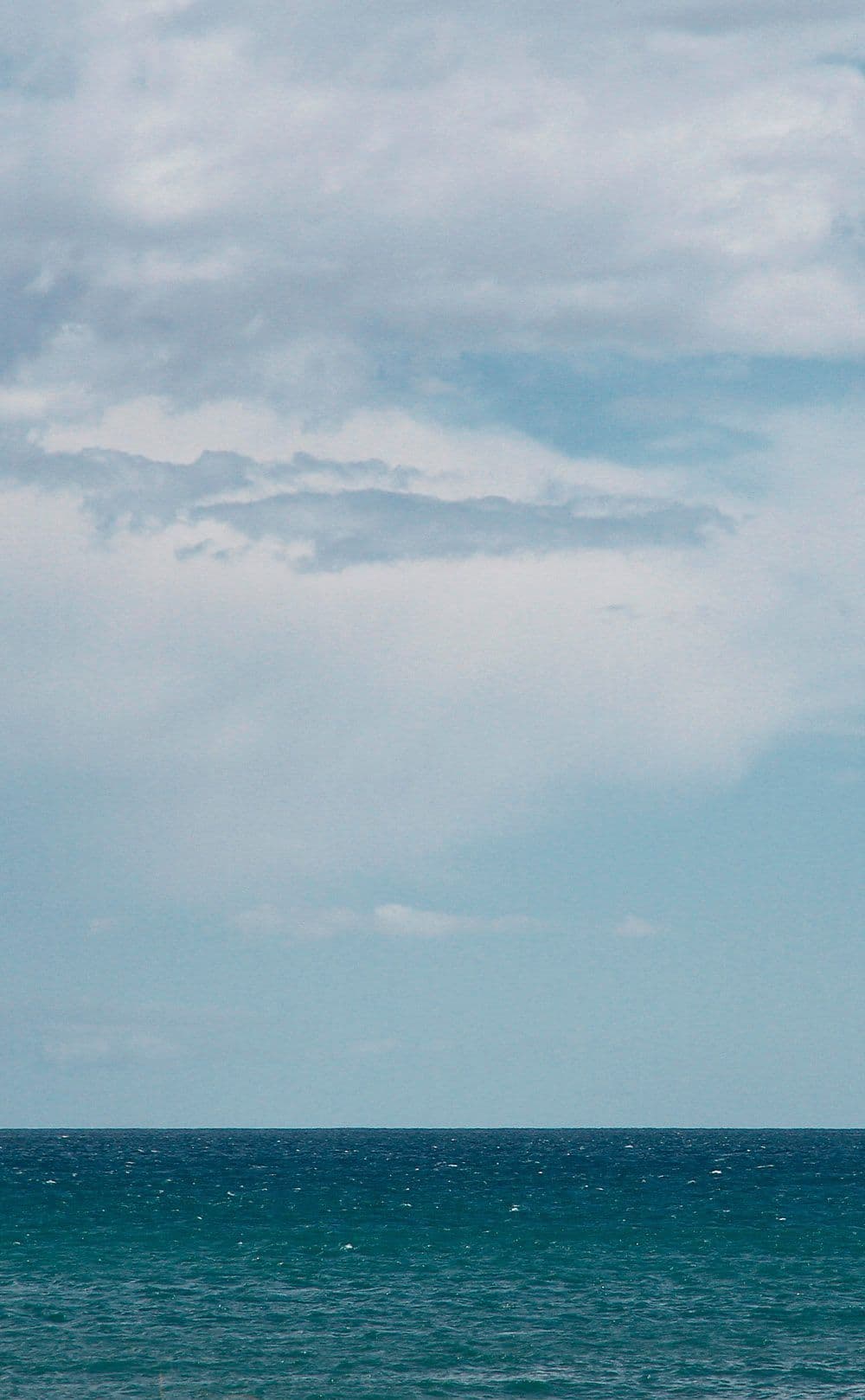
Sun and beach
Puçol beach offers you different possibilities, from scuba diving activities to moments of complete tranquility under the warm Mediterranean sun, all backed by three quality distinctions
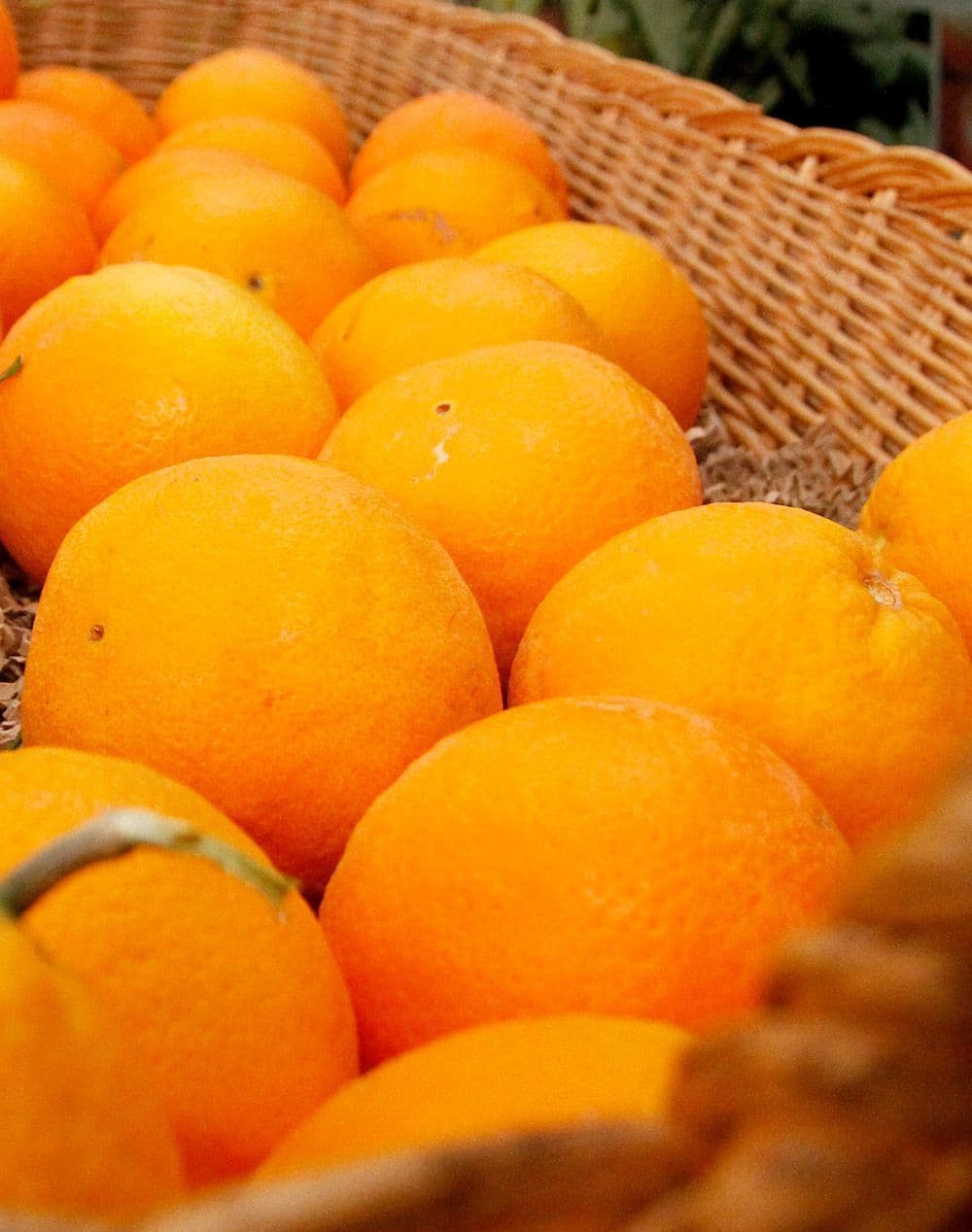
Typical dishes
Paella, rabbit, eels or stew are the traditional first courses, always accompanied by sweets such as brazo de gitano or torta, not forgetting the orange
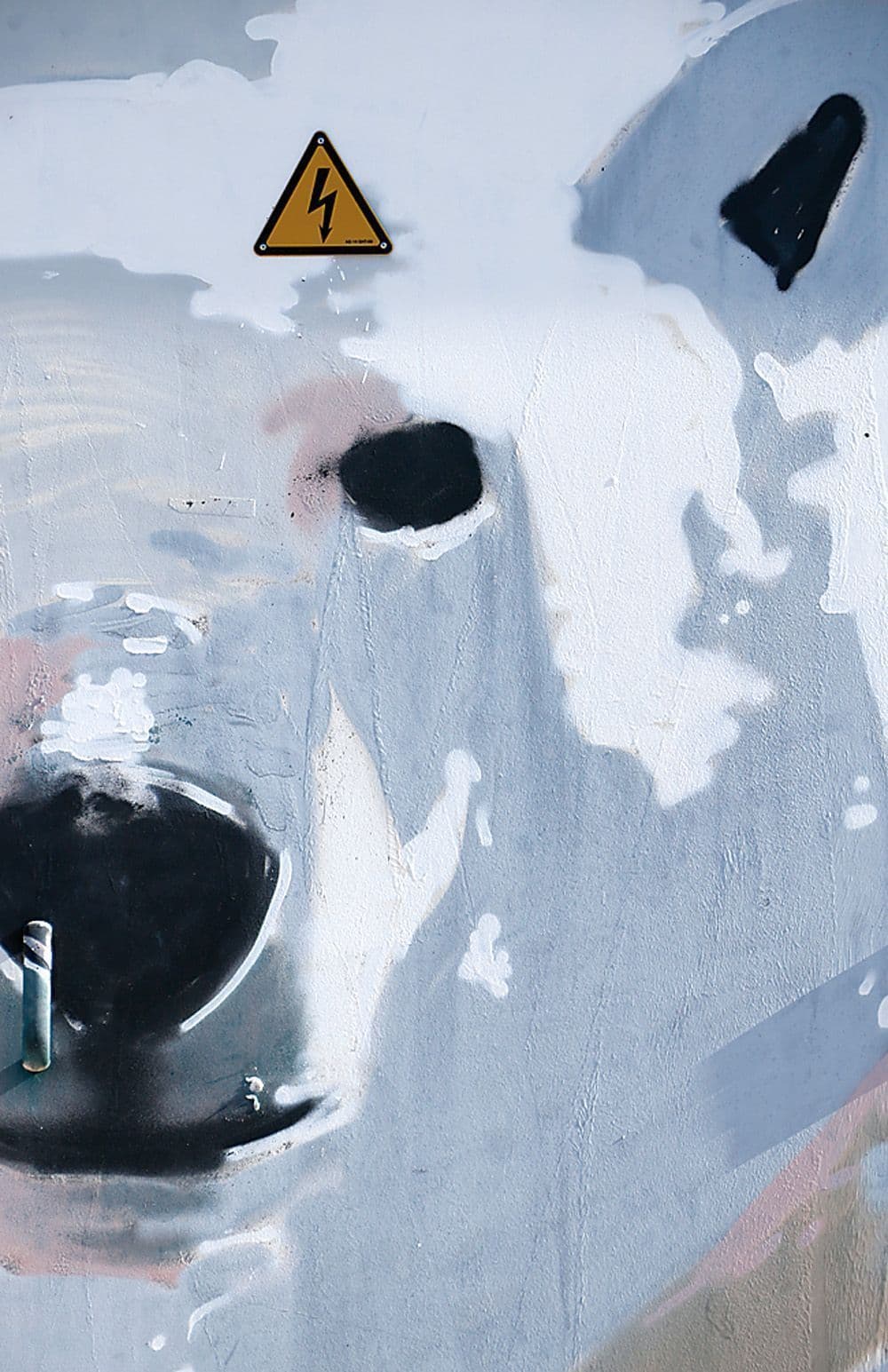
Open-air museum
The competition helps to position graffiti as an artistic expression of interest to the general population, helping to improve their quality of life by enhancing the environment.
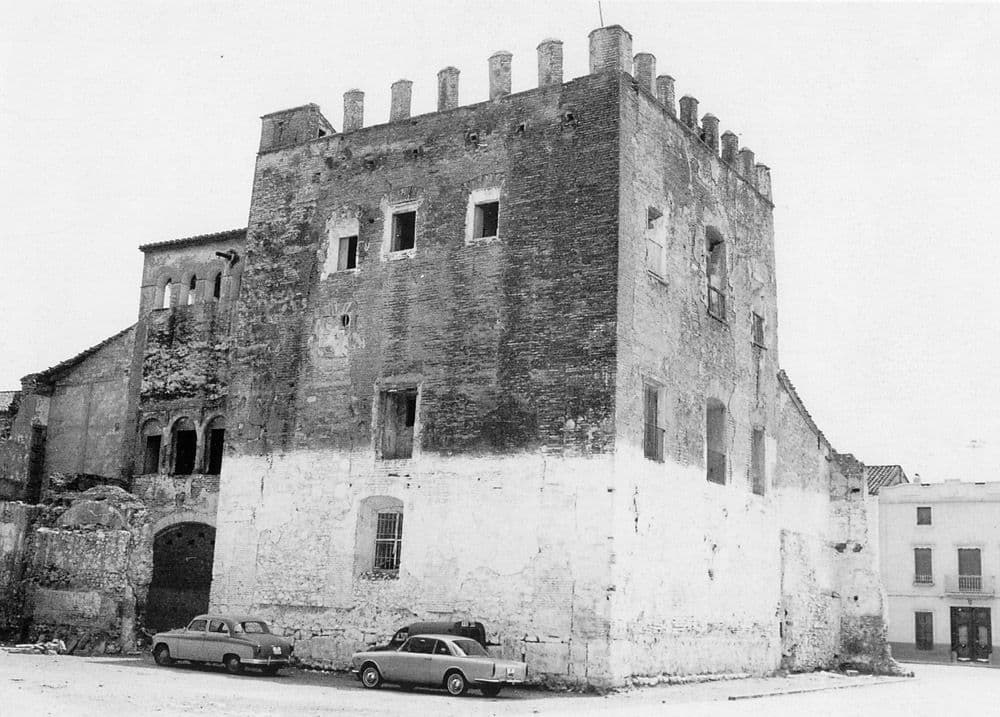
History
The origins of Puçol date back to Roman times, when it was called Puteus, which means "Well"
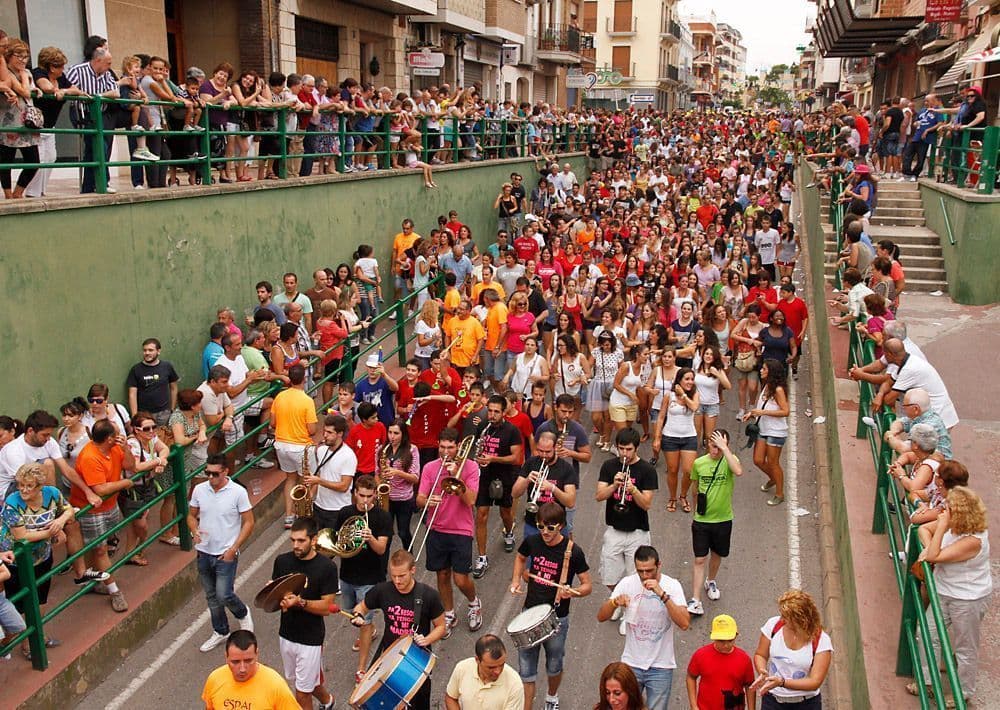
Parties
Short description for parties
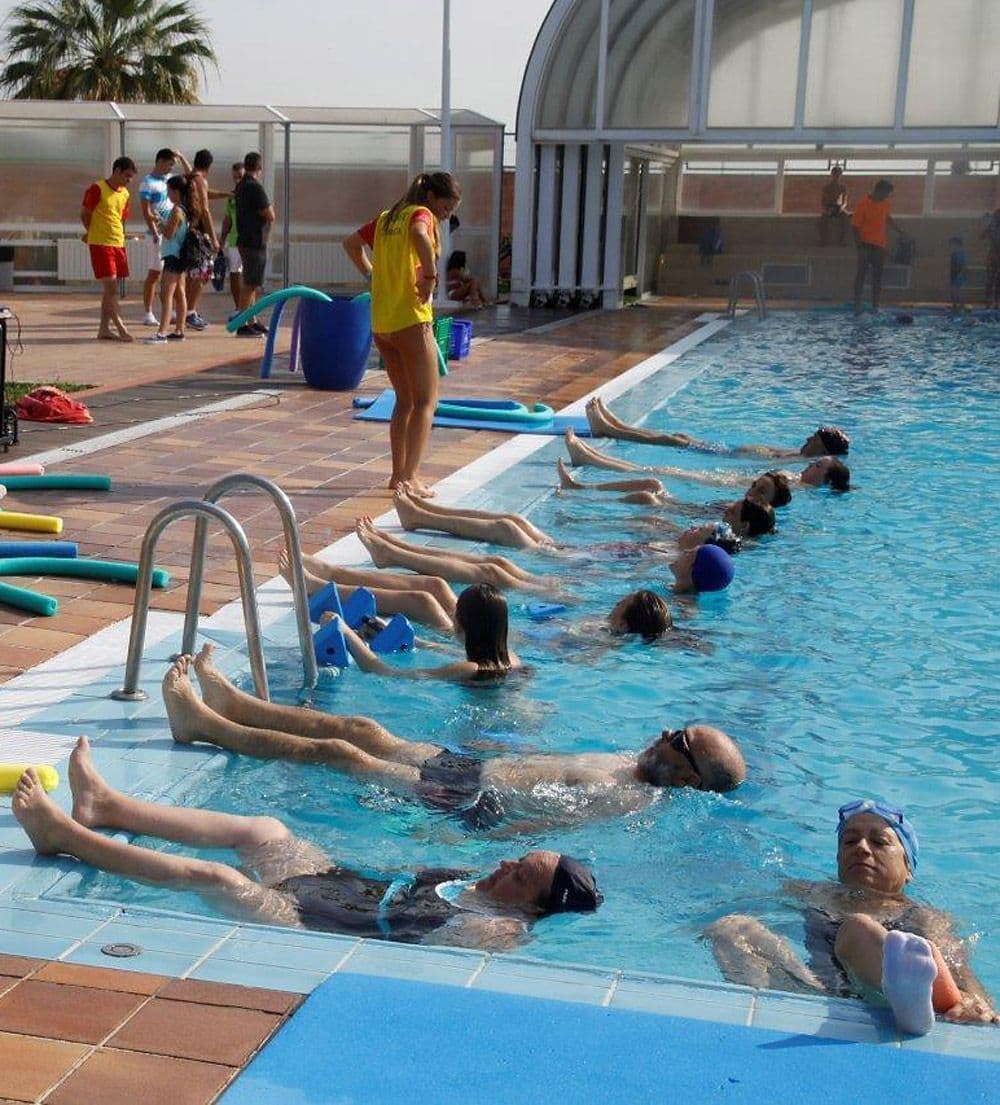
Sports
Short description: Sports
Culture
Short description of culture