
Seaside Walk
Pedestrian and cycling axis that connects the heart of the town with the breeze of the beach and the sea.

QUICK GUIDE

Create your own itinerary
Follow these 4 steps to save your personalized visit plan.
Add places
Press "Add to itinerary" on any landmark, route or service you see.
Order your plan
Drag places to reorganize the route to your liking.
Create the itinerary
Press "Create Itinerary" and save the generated link so you don't lose it.
Download as PDF
If you wish, export the full itinerary to take it offline.
QUICK GUIDE
Create your own itinerary
Follow these 4 steps to save your personalized visit plan.
Add places
Press "Add to itinerary" on any landmark, route or service you see.
Order your plan
Drag places to reorganize the route to your liking.
Create the itinerary
Press "Create Itinerary" and save the generated link so you don't lose it.
Download as PDF
If you wish, export the full itinerary to take it offline.
 Beach
Beach Natural adventure
 Natural space
 Green space
The Marjal dels Moros is a Special Protection Area for Birds (SPA), a wetland of extraordinary value located between the municipalities of Puçol and Sagunto, specifically in l’Horta Nord. It is one of the most important areas for waterfowl in the province of Valencia.
Previously, this marshland stretched from the Albufera lagoon to Canet de Berenguer, along the coast. Its destruction began with rice cultivation, and later, due to falling crop prices, the land was sold for beachfront housing developments. This completely destroyed the marshland and fragmented it into small areas, of which only the Rafalell and Vistabella marshland remains, in Massamagrell and in the Valencian districts of Rafalell and Vistabella.
In the upper area of Sagunto, a wetland was also destroyed, in this case, as a potential expansion area for the Altos Hornos del Mediterráneo steelworks. In 1995, the steelworks closed, and the Valencian Regional Government purchased the entire area, approximately 800 hectares, designating about 300 hectares as a wetland and classifying it as non-urbanizable land with special protection. In 1996, it was declared a Special Protection Area for Birds (SPA).
The remaining 500 hectares were designated as developable land for industrial use, where the Sagunto Industrial Park is currently being built, right next to the wetland.
The local councils of these towns have implemented a bird protection system, as well as observation and protection infrastructure against seawater encroachment. These measures have successfully prevented saltwater from penetrating the marshland.
In recent years, areas previously drained have been reclaimed through the creation of new lagoons and the demolition of the last remaining buildings within the marshland. Hunting and fishing are prohibited; the only permitted activity within the protected area is livestock farming in certain zones. All of this has allowed the preservation of the area's natural values despite the expansion of the Sagunto industrial park, which has the natural space literally hemmed in between the industrial estate and the buildings on Puçol beach.
Despite its small size and numerous threats, La Marjal dels Moros boasts significant populations of several bird species, some of which are seriously endangered.
In spring, the breeding populations of waders are particularly noteworthy, including colonies of common tern, little tern, pratincole, and black-winged stilt. The whiskered tern colony, the most representative species of this protected area, is also a significant presence.
Among the waterfowl, the breeding population of the increasingly scarce red-crested pochard is important, as is the threatened marbled teal, with the marsh marking the northern limit of its distribution range in Europe.
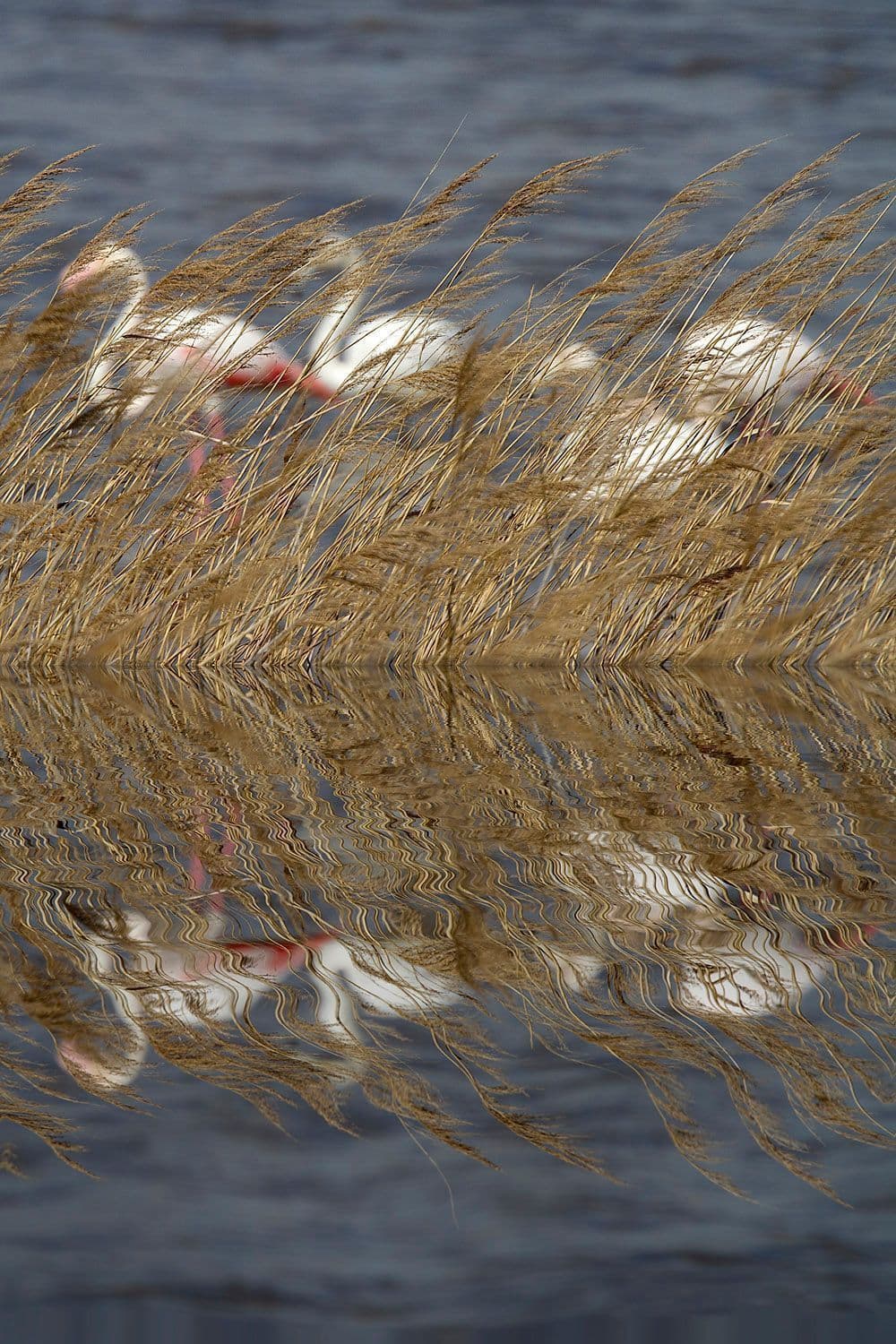
In winter, large flocks of common teal and northern shoveler can be seen, along with spectacular concentrations of great cormorants. Visits from species such as the greater flamingo, great egret, and glossy ibis are also not uncommon.
The marsh is also home to a large number of native fish, such as the samaruc and the fartet, typical of this wetland. Some reptiles and amphibians, such as salamanders and lizards, are also found here.
The predominant vegetation consists of common reed (Phragmittes communis) and cattail (Typha dominguensis). Plots of salt marsh vegetation where we can find species of the genera Salicornia, Arthrocnemum, and Limonium, among others. It consists of various species of rushes and sedges. The aquatic vegetation, very sparse, is limited to almost a few species of the genus Chara.
Currently, the marsh is in serious danger due to the Sagunto Industrial Park, the regasification plant and the Sagunto thermal power plant, rising sea levels (the marsh is located a mere 10 meters from the shoreline), poaching, and the destruction of the reedbeds and rushes for cultivation.
Pedestrian and cycling axis that connects the heart of the town with the breeze of the beach and the sea.
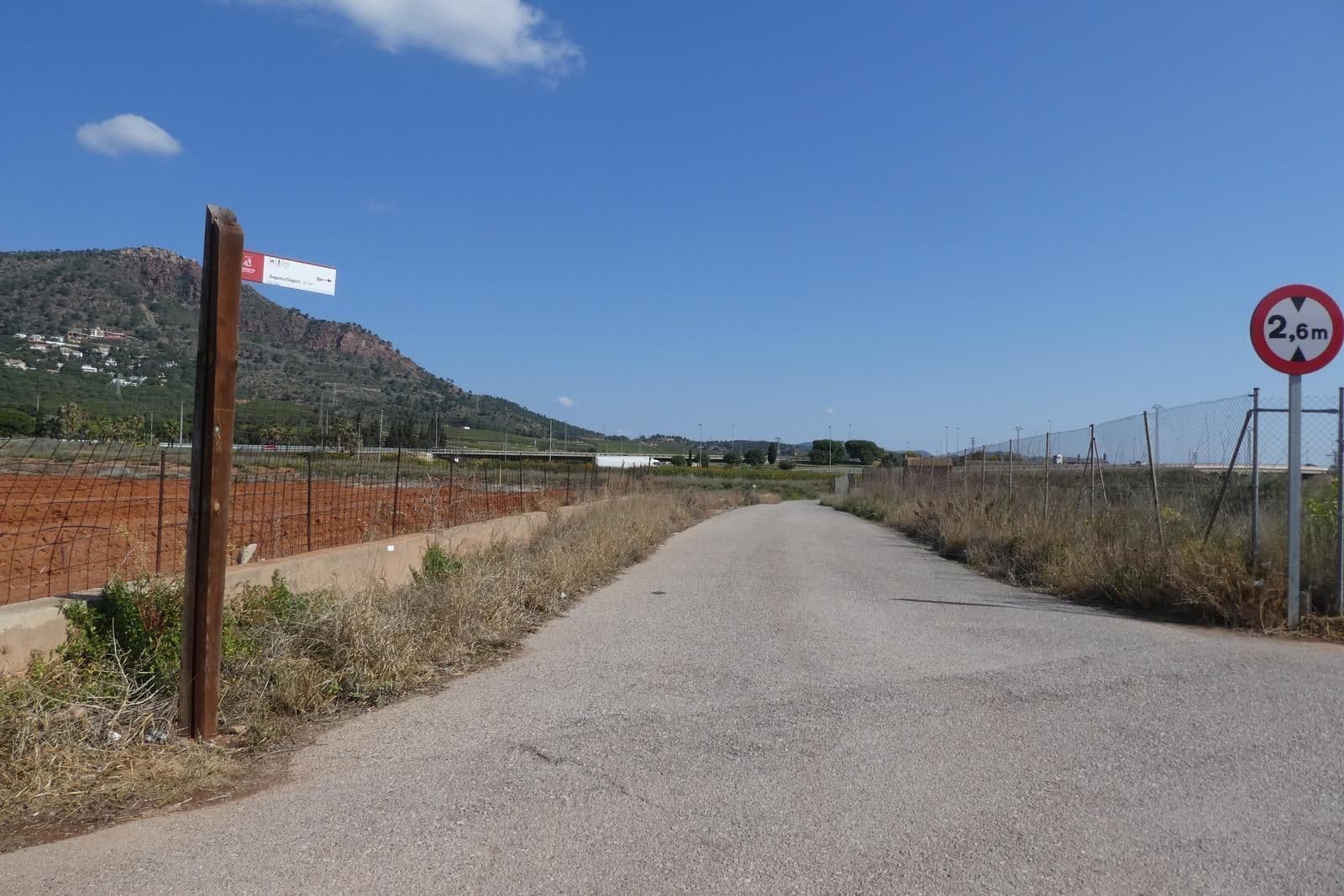
Historical-literary itinerary that follows in the footsteps of the Castilian knight Rodrigo Díaz de Vivar.
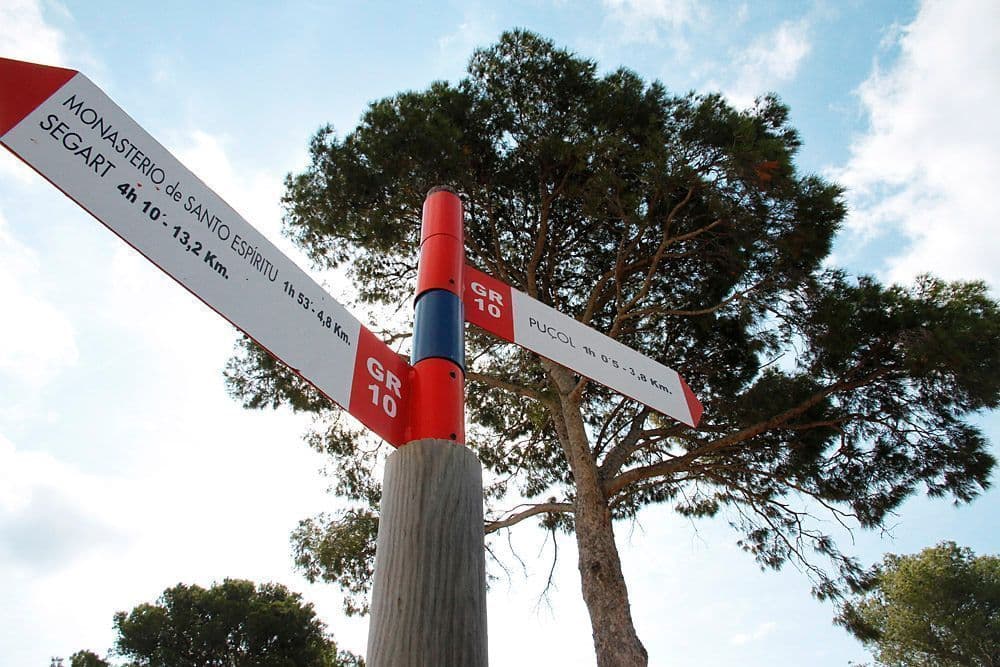
The longest trail on the Iberian Peninsula, linking the Mediterranean with the Atlantic. A trans-Iberian crossing that begins in the heart of our municipality.
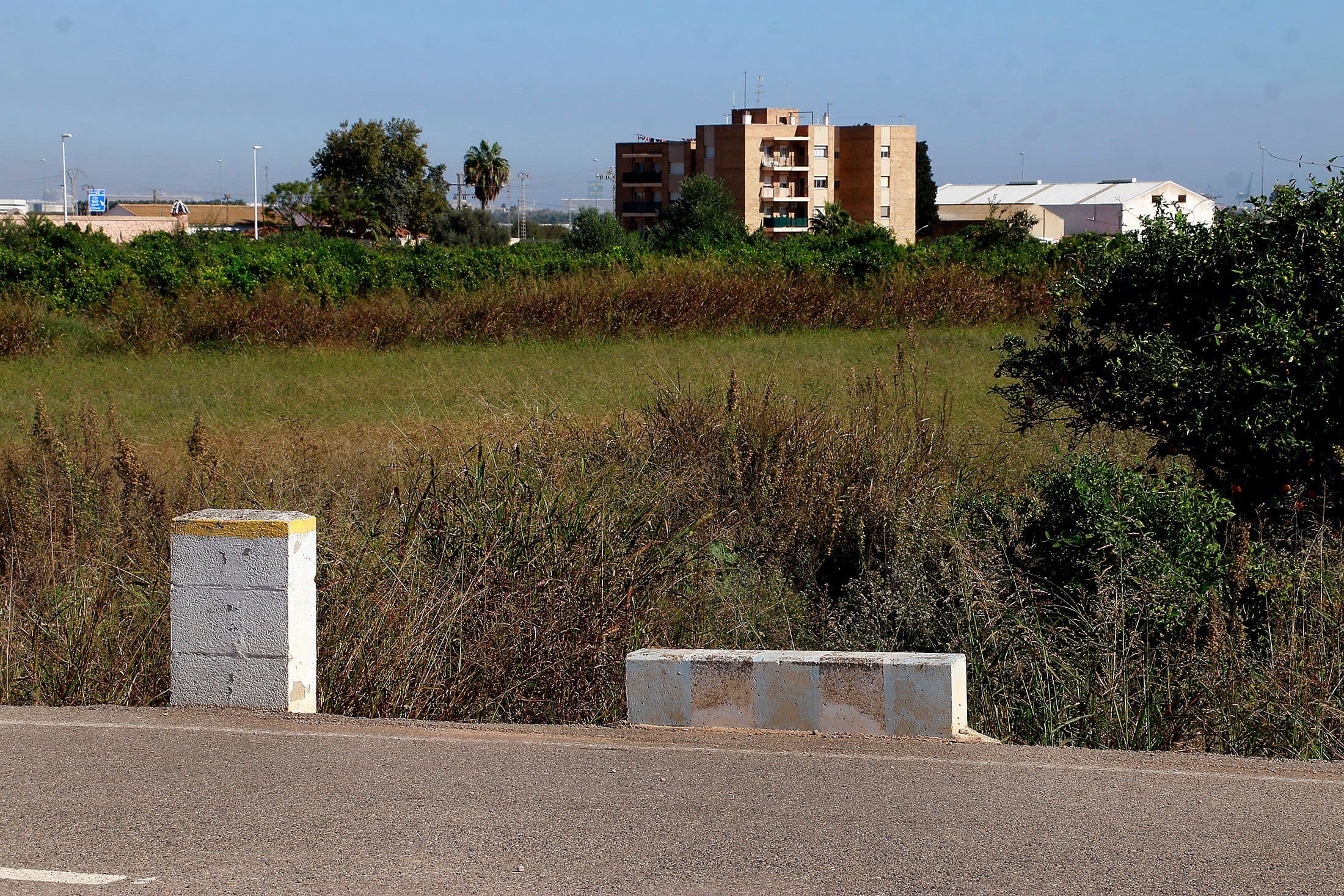
The longest Roman road in Hispania. A cultural and scenic route that skirts the Mediterranean, linking the Pyrenees with Cádiz.
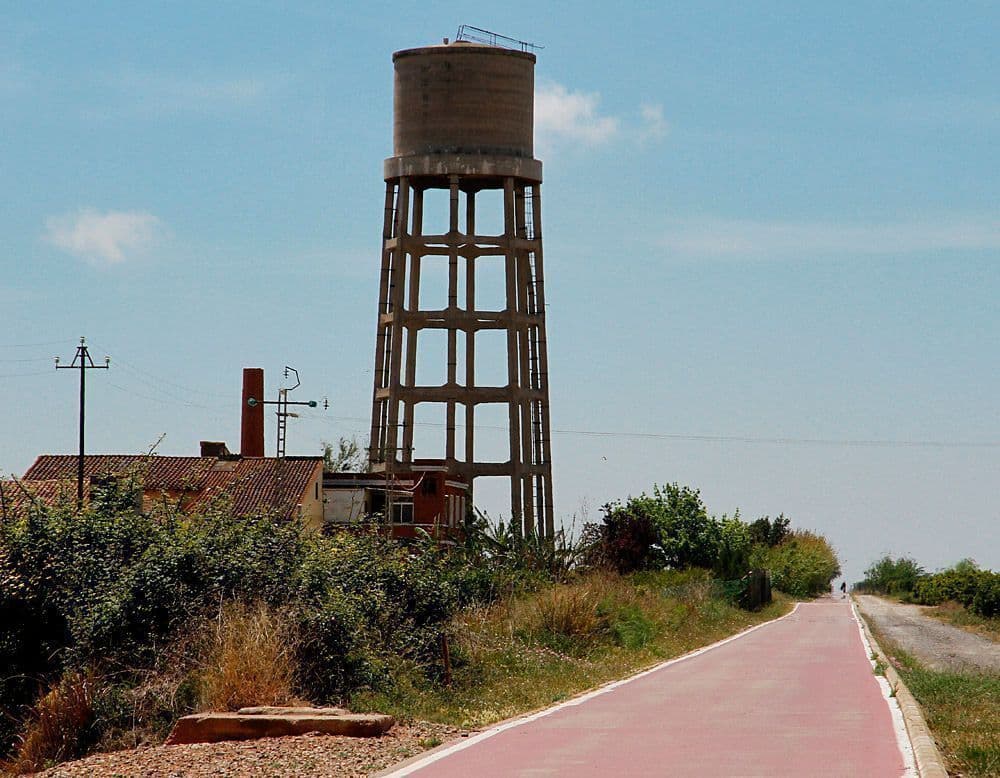
A cycle and pedestrian path that follows the route of the old mining railway. A peaceful walk through orchards that connects Puçol with Valencia.

Large free parking area with direct access to the beach and promenade.
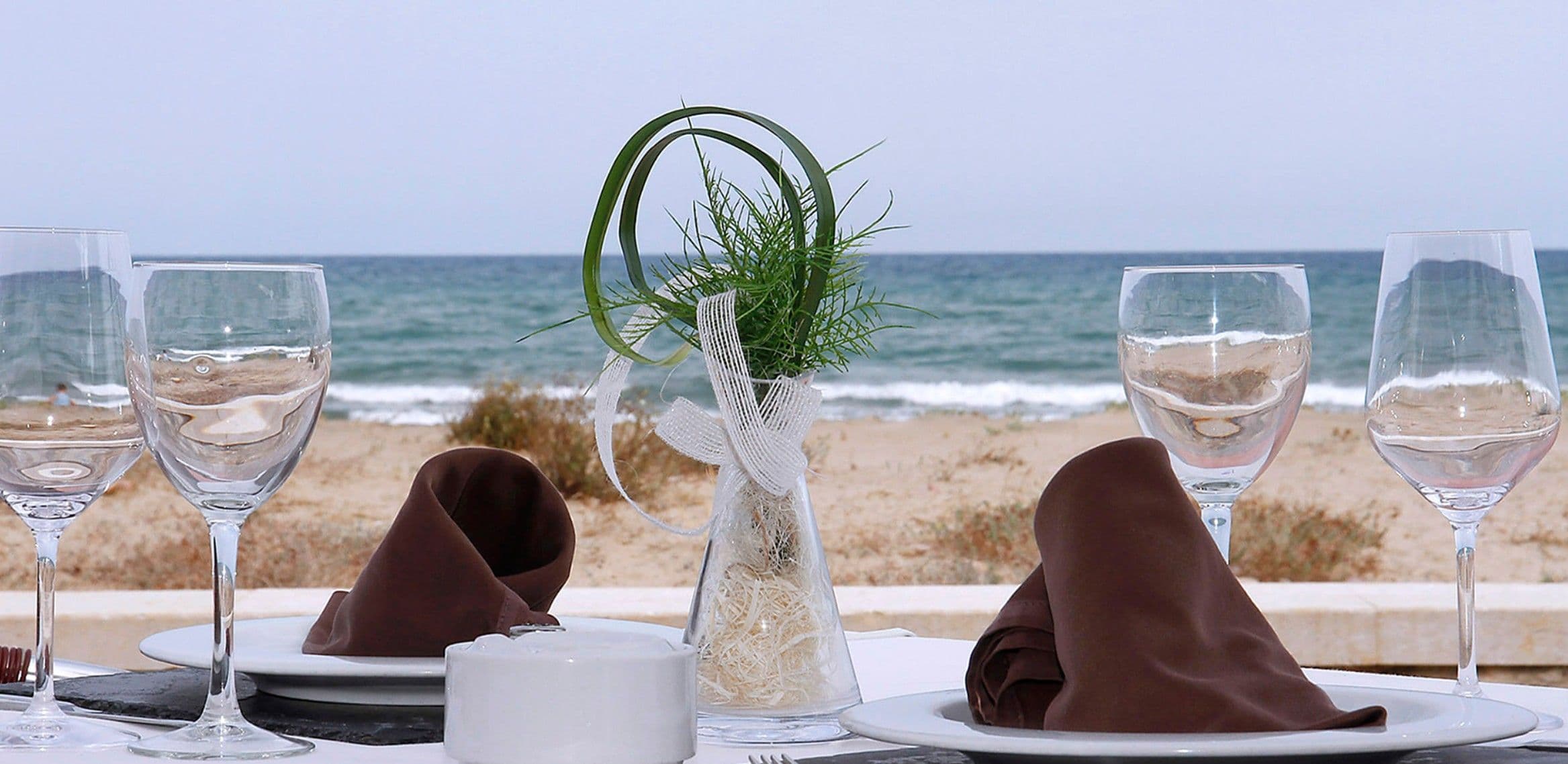
Galli is a Mediterranean restaurant where fresh produce, rice dishes, and traditional flavors take center stage. A welcoming, family-friendly space to enjoy classic cuisine by the sea.
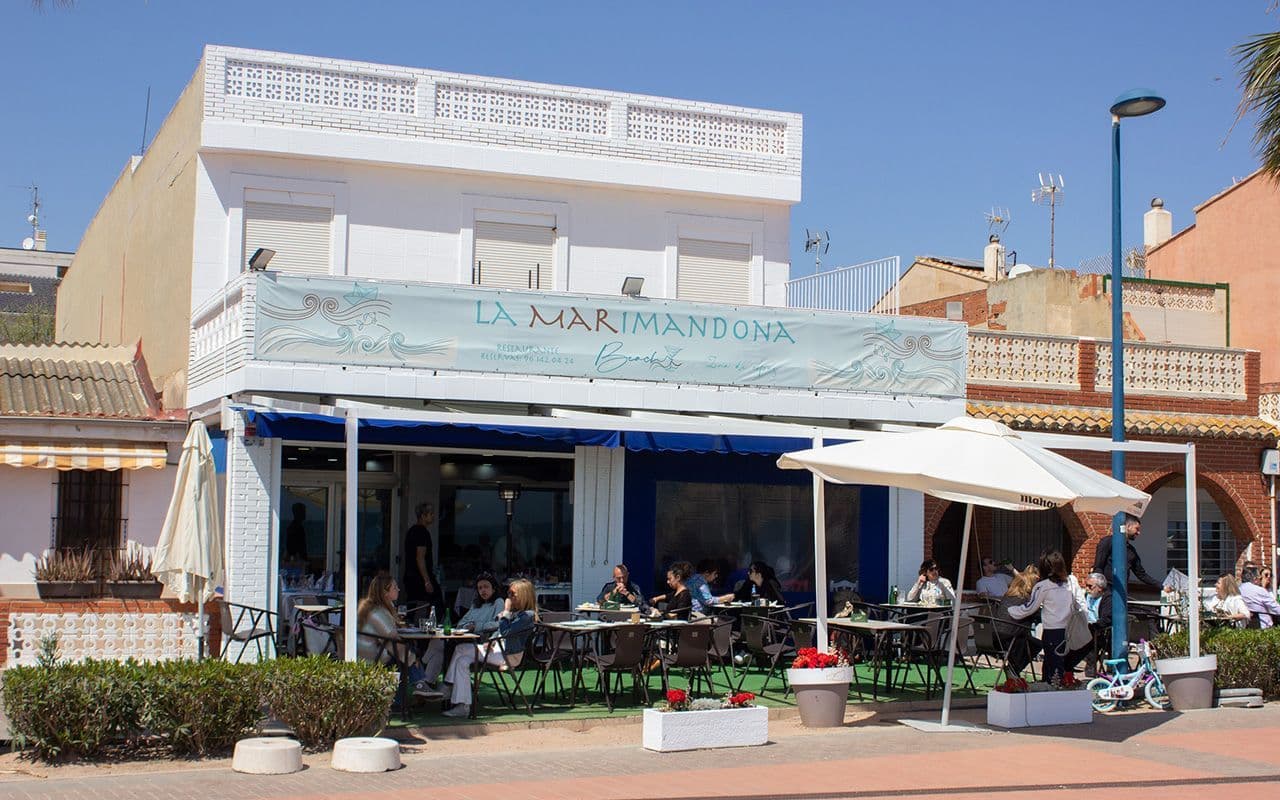
La Marimandona Beach offers a fresh and relaxed experience by the Mediterranean, with a fusion of Valencian and Italian cuisine, and in a relaxed atmosphere with sea views as the perfect setting to share great moments.
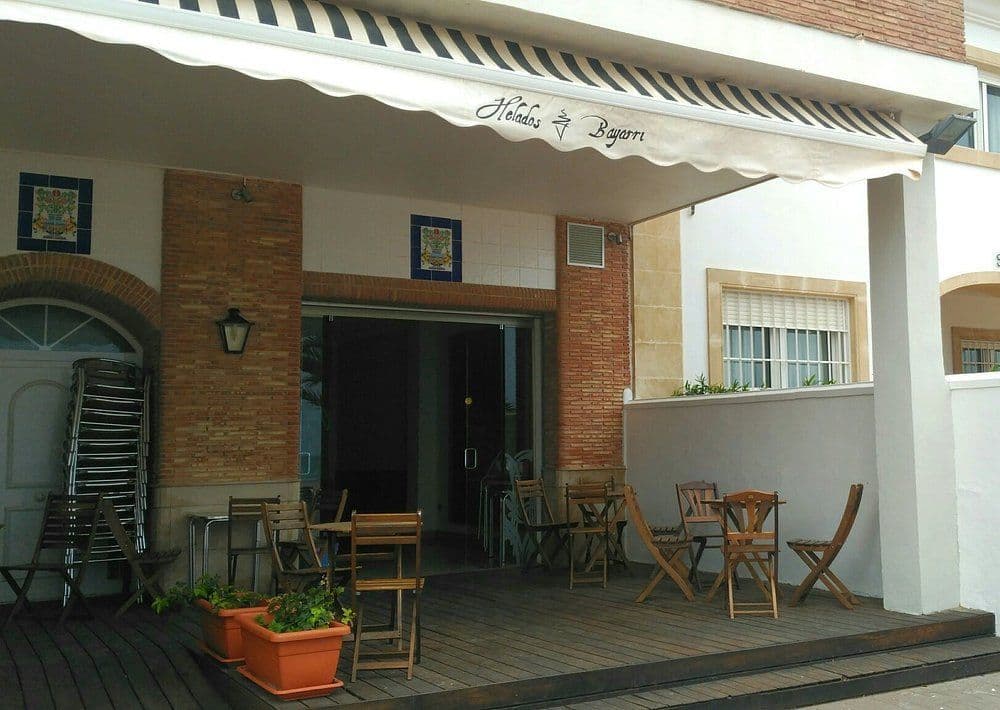
Helados Bayarri is an ice cream shop designed to enjoy the most refreshing flavors by the sea, with horchata and a wide variety of ice creams in an environment perfect for sharing moments with family or friends.
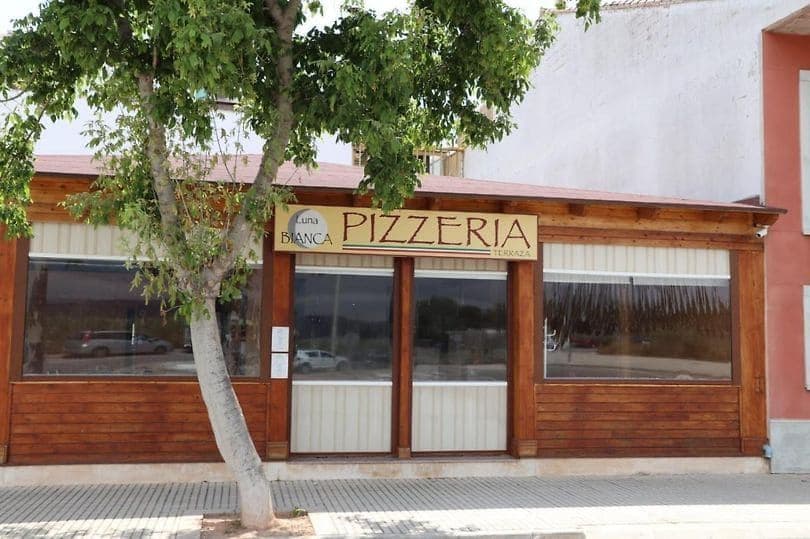
Luna Bianca is a cozy pizzeria with a friendly, family atmosphere. Artisan pizzas, pastas, and authentic flavors make every visit a memorable experience to enjoy and share.
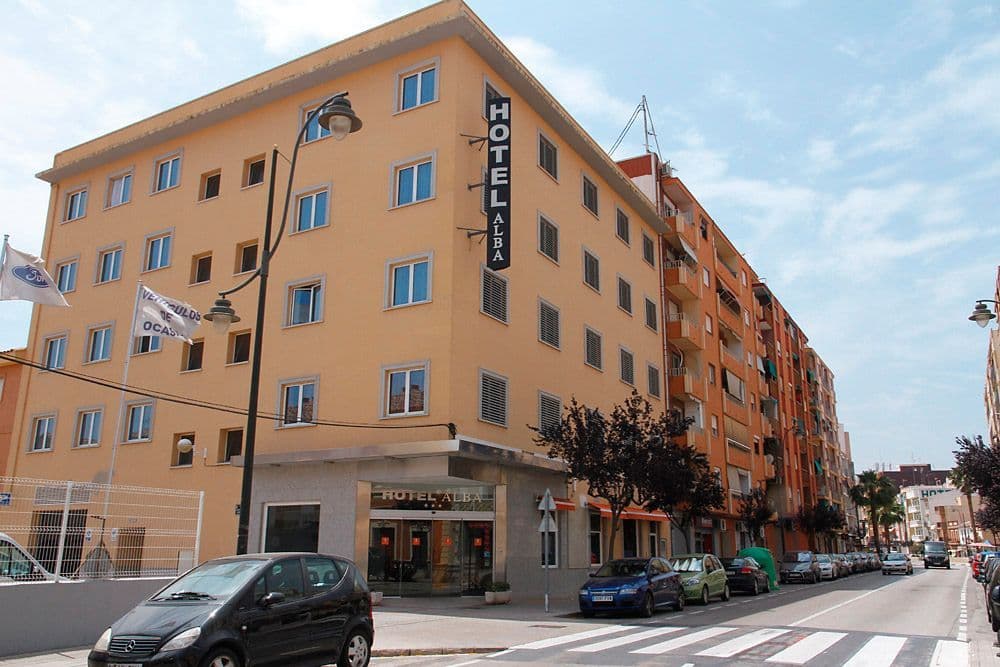
Modern and functional hotel, ideal for business stays or getaways near Valencia.
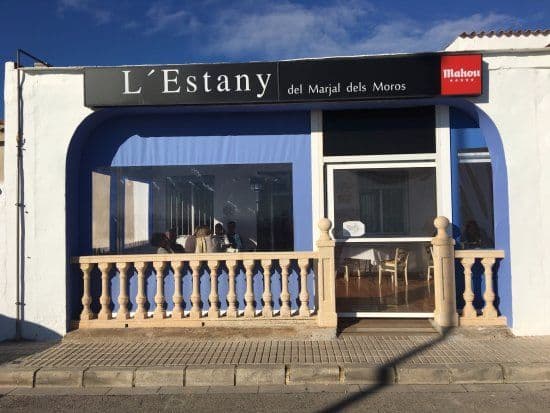
L’Estany is a restaurant that offers an experience linked to the rhythms of the sea and Mediterranean coastal culture. In a rustic setting, surrounded by nature, its menu features rice dishes, fresh fish, and grilled meats, with a Valencian essence alongside the Marjal dels Moros wetlands.
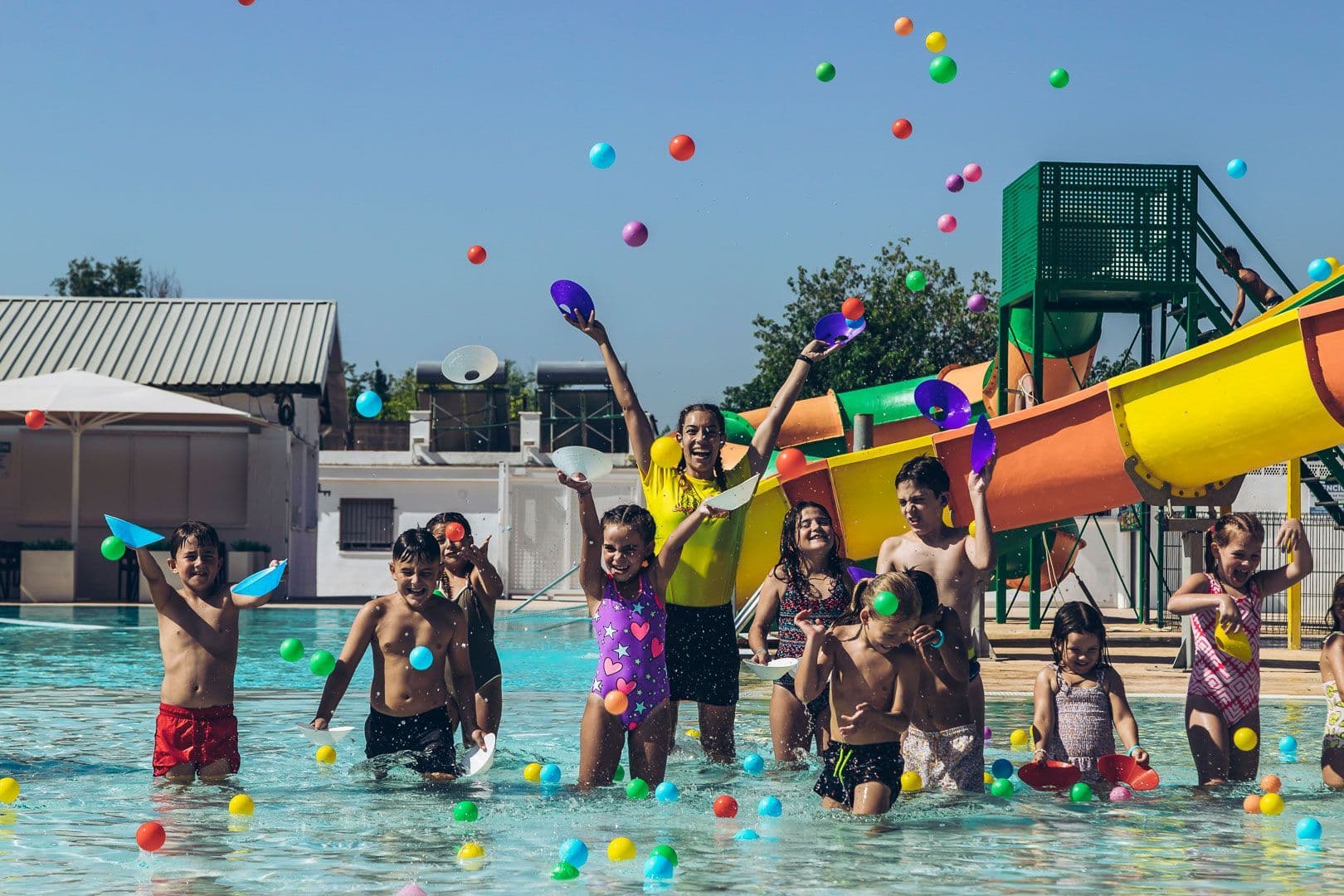
Quiet and welcoming campsite with a family atmosphere next to the Mediterranean Sea.
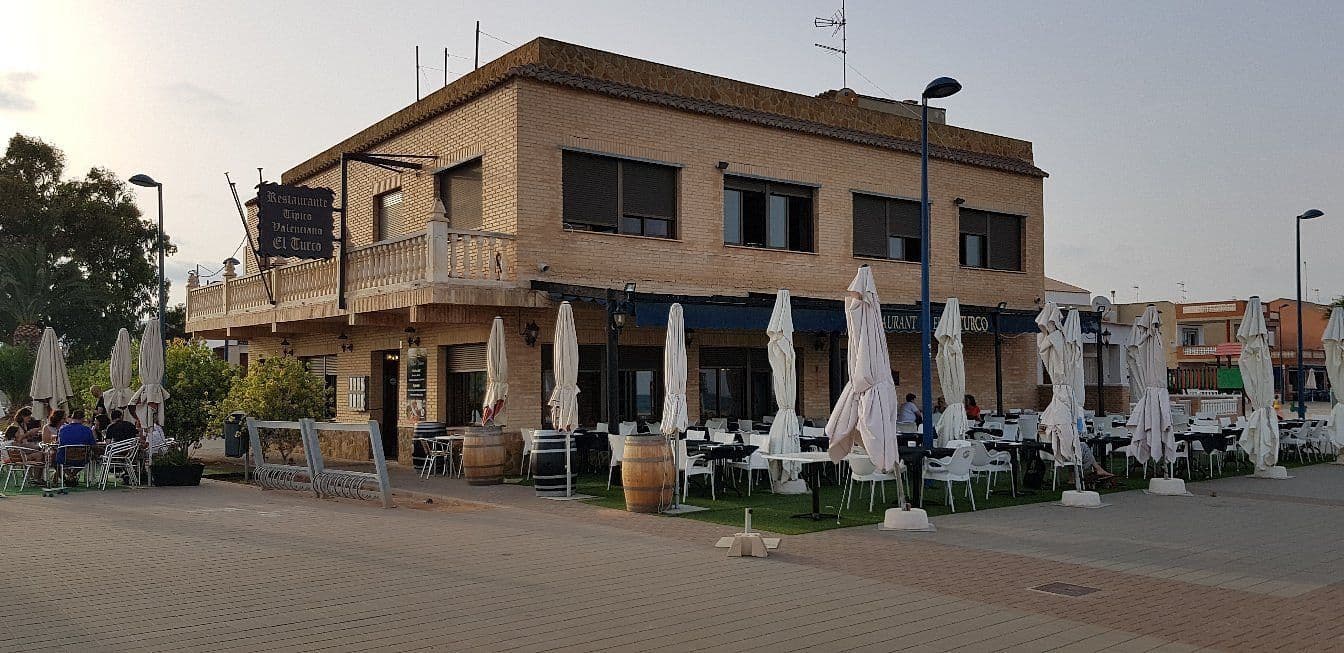
A restaurant with a Mediterranean essence where you can enjoy rice dishes, tapas, and fish from traditional Valencian cuisine in a friendly and welcoming atmosphere. El Turco combines a warm, family-friendly atmosphere with authentic flavors overlooking the sea in Puçol.
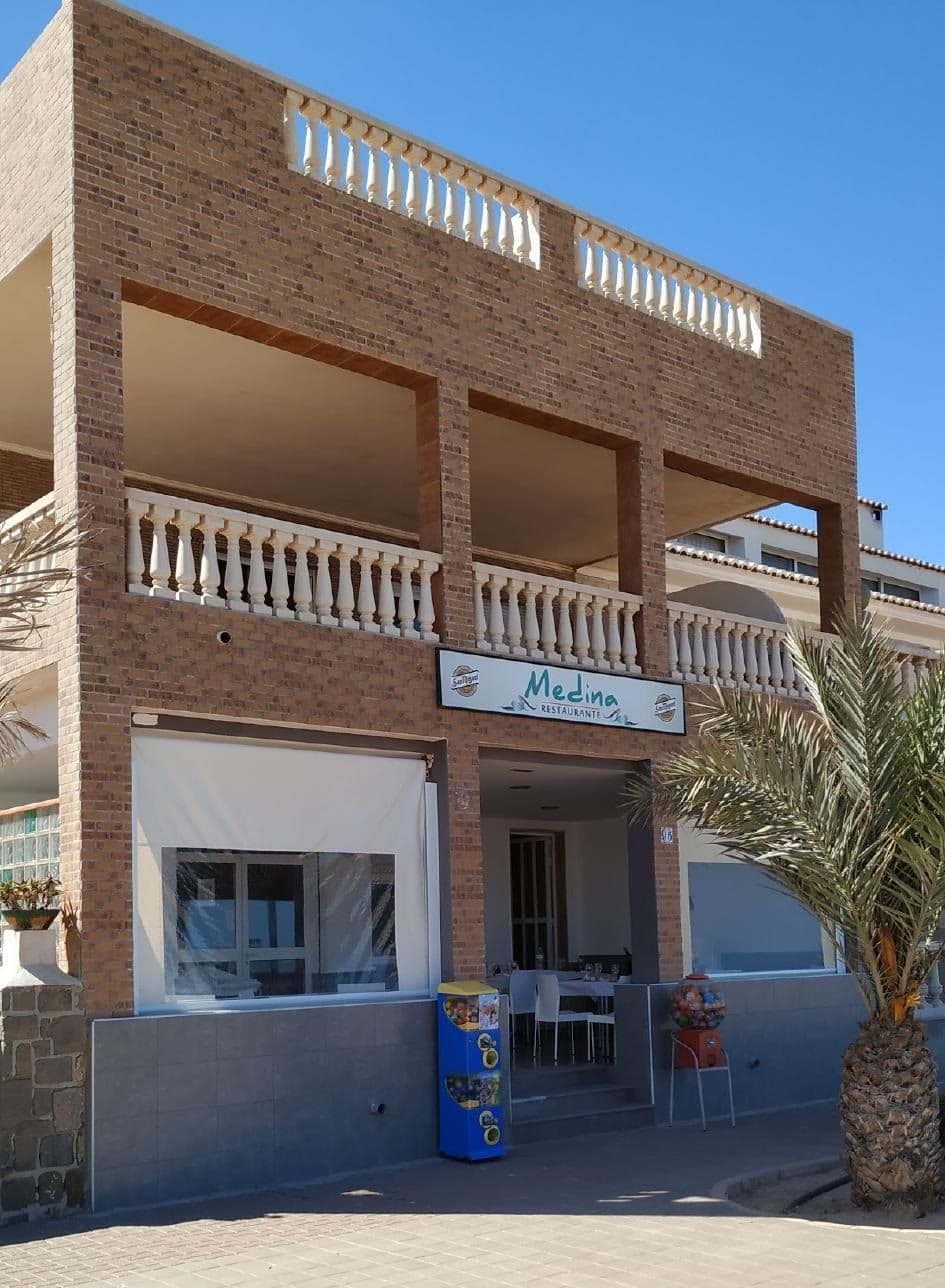
Bar Medina is a traditional meeting point on Puçol beach, ideal for enjoying tapas, meals and a friendly and relaxed atmosphere at any time of day.
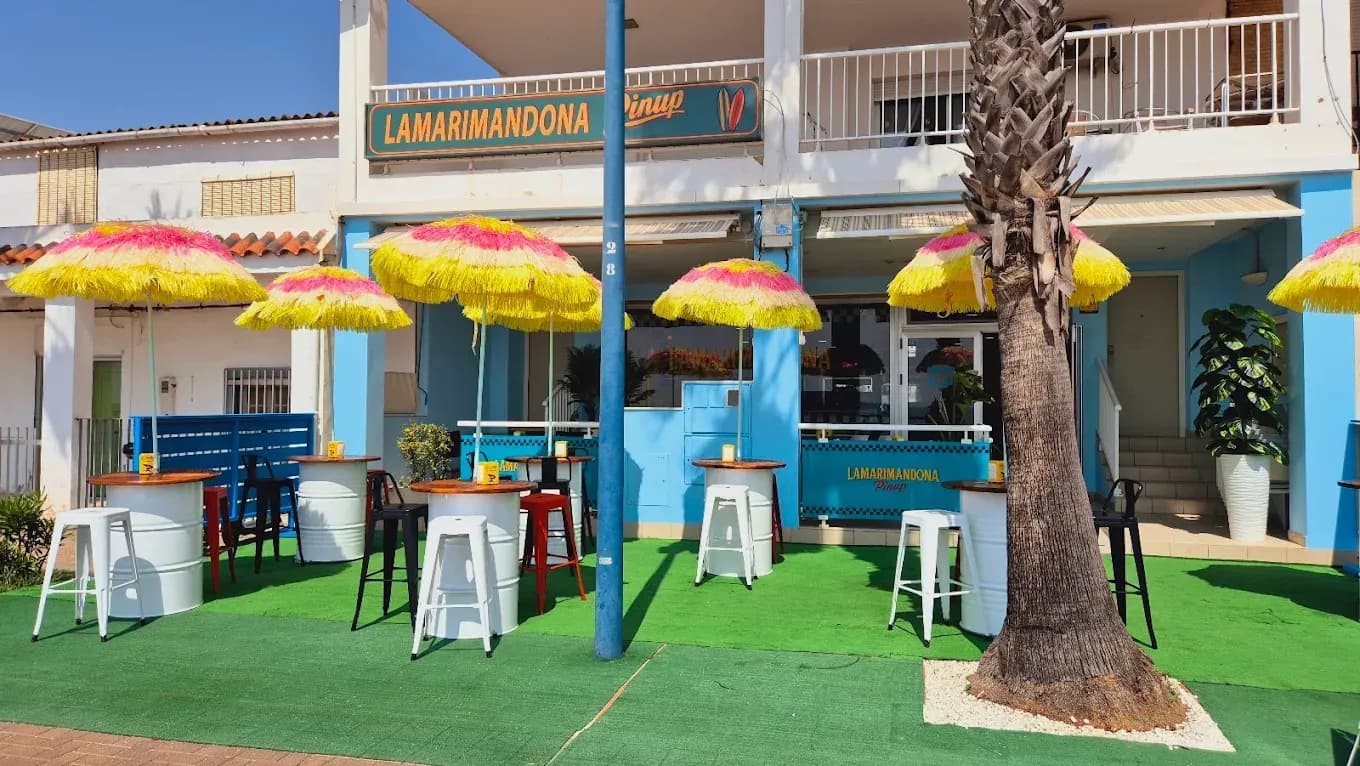
La Marimandona PinUp combines style and fun in its retro decor and musical ambiance. A place designed to enjoy great burgers and a variety of options from other culinary cultures.
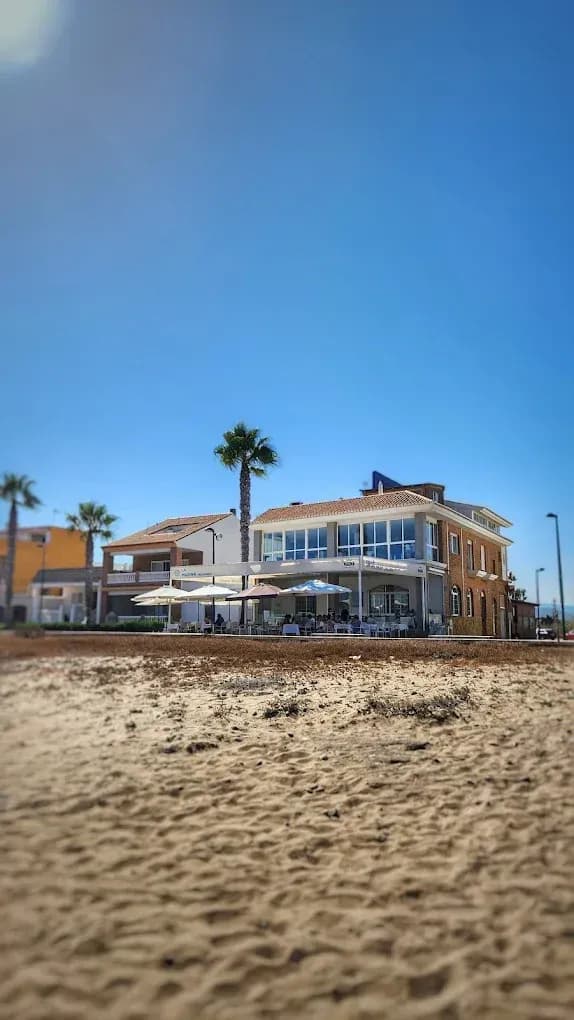
La Marina is a renowned restaurant on Puçol beach, specializing in Mediterranean cuisine, rice dishes, and fresh seafood. It's a place designed for enjoying tradition, flavor, and tranquility overlooking the Mediterranean.
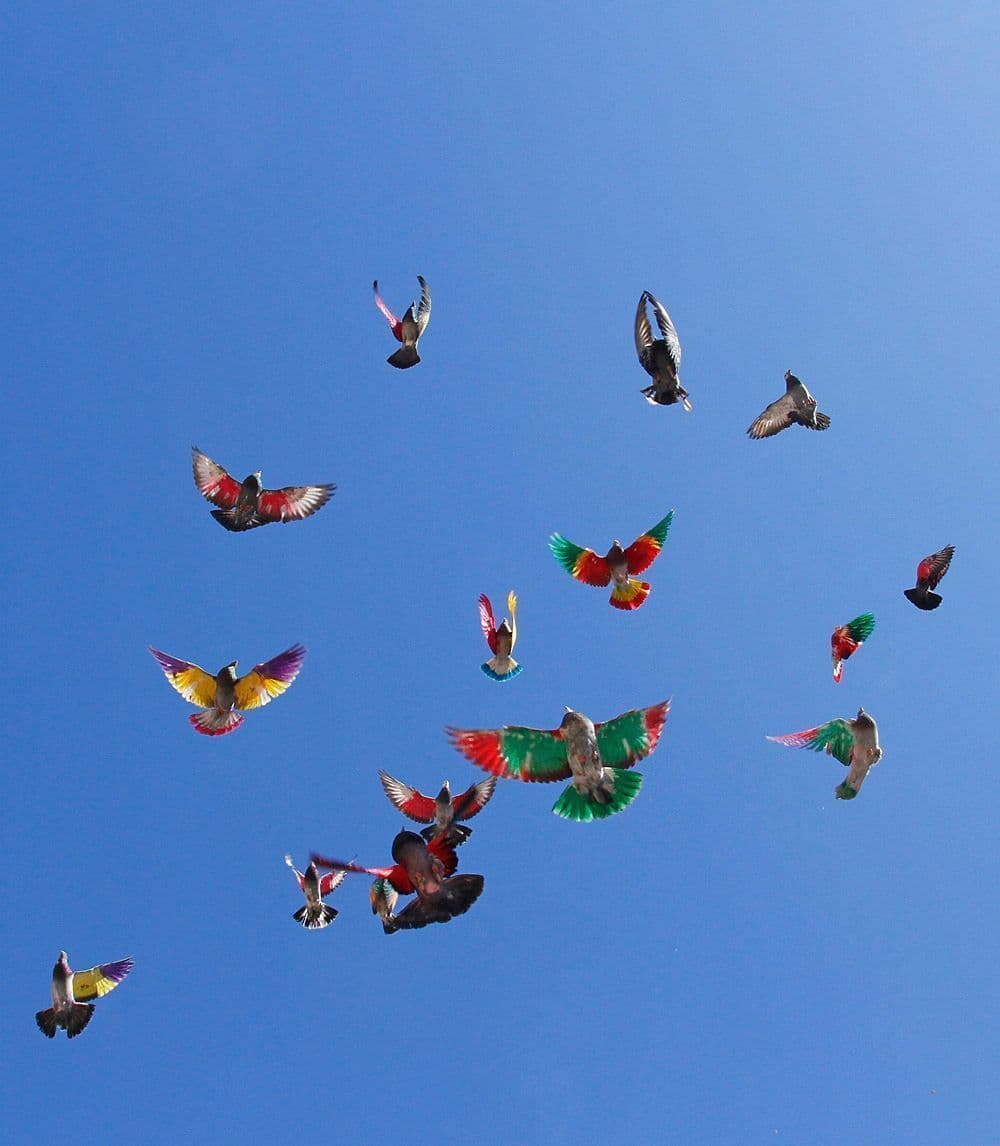
Traditions
Short description for Traditions

Sun and beach
Puçol beach offers you different possibilities, from scuba diving activities to moments of complete tranquility under the warm Mediterranean sun, all backed by three quality distinctions

Typical dishes
Paella, rabbit, eels or stew are the traditional first courses, always accompanied by sweets such as brazo de gitano or torta, not forgetting the orange

Open-air museum
The competition helps to position graffiti as an artistic expression of interest to the general population, helping to improve their quality of life by enhancing the environment.
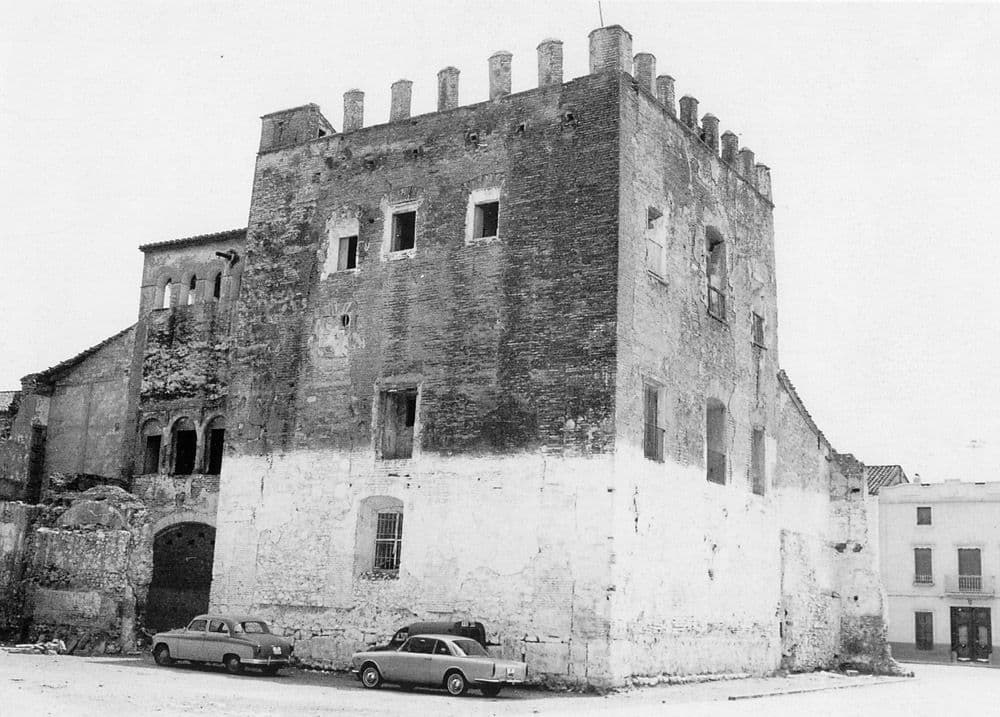
History
The origins of Puçol date back to Roman times, when it was called Puteus, which means "Well"
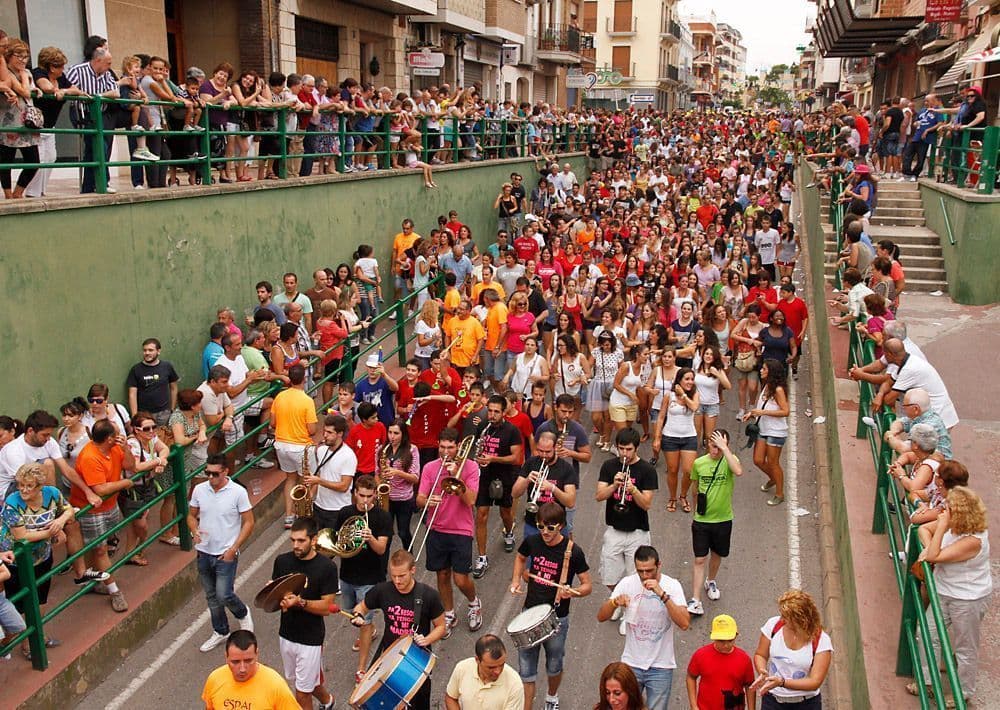
Parties
Short description for parties
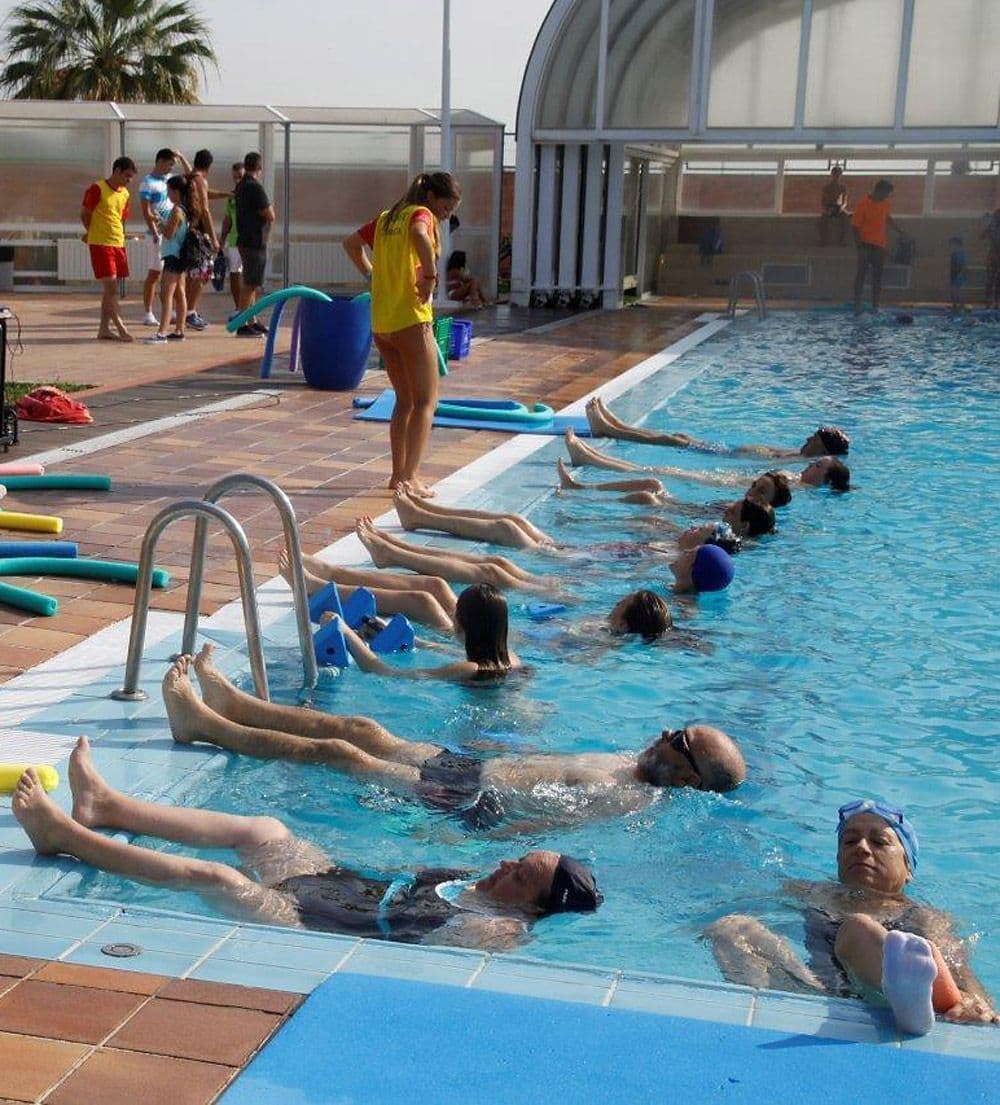
Sports
Short description: Sports

Culture
Short description of culture