



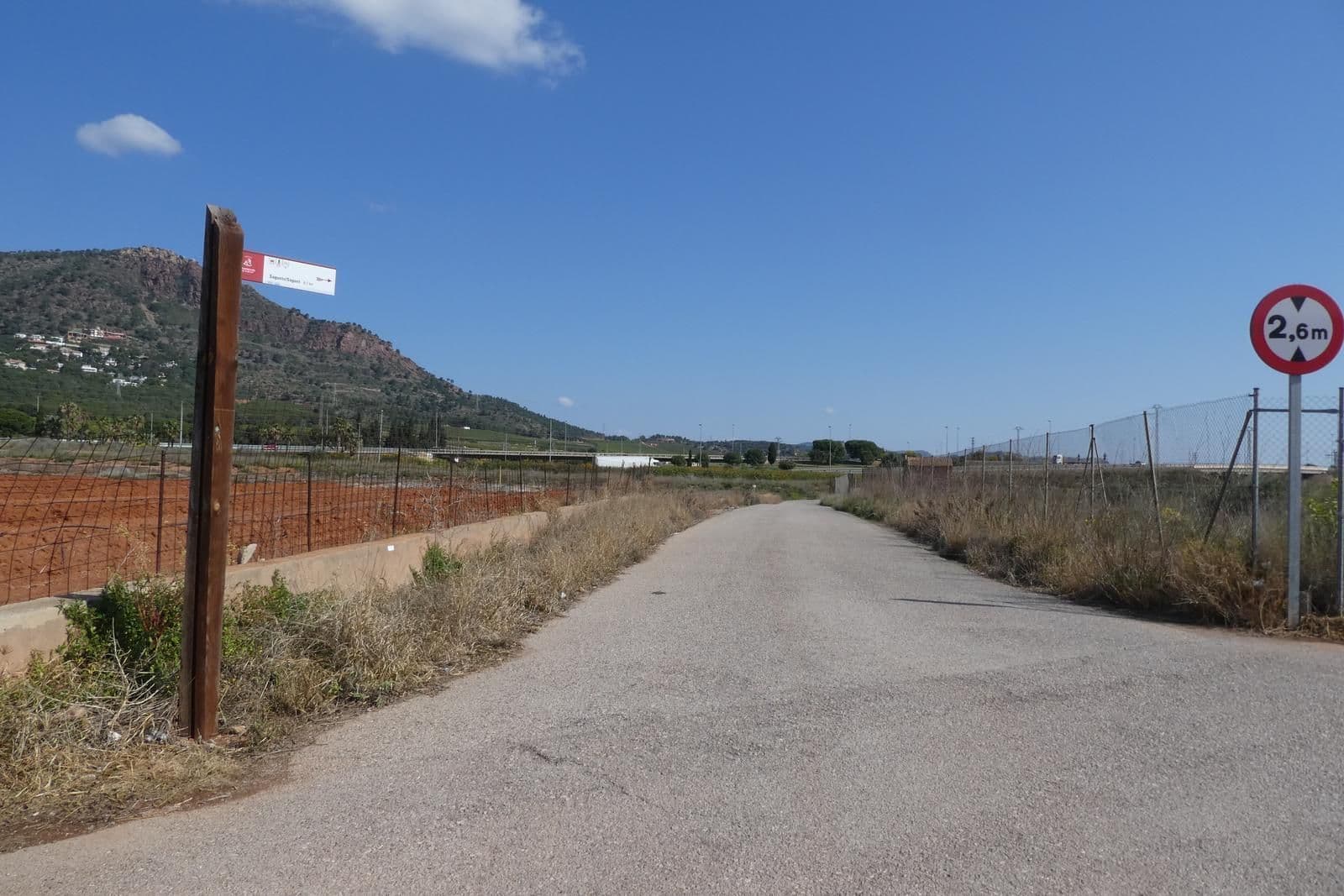
Route of El Cid
 Hiking
 Historical
 Hike
DifficultyModerate
Distance218km
Duration1h 30min
DifficultyModerate
Distance218km
Duration1h 30min
Route of El Cid
The Way of El Cid branches into two themed routes through Valencian lands to explore castles, landscapes, wetlands and marshes, small medieval villages or urban centers that were already of great importance in the 11th century, and that were part of the life and legend of Rodrigo Díaz de Vivar.
One of these routes, the Conquest of Valencia, passes through Puçol and can be done on foot, by bike, or by car. This itinerary begins in Cella (Teruel) and enters the Valencian Community through Castellón, following the course of the Palancia River, where it stops at points of interest such as Jérica and Segorbe. The latter is worth a visit for its famous "Running of the Bulls and Horses," a festival declared of International Tourist Interest that dates back to the 14th century.
Already in the province of València, it continues through the towns of Alfara de la Baronía, Algimia de Alfara, Torres-Torres, Quart de les Valls, Quartell, Estivella, Albalat dels Tarongers and Petrés, just before visiting the ancient Sagunto, Murviedro in the Middle Ages, with its walled complex and the Roman theater as the main attractions.
From there to Puçol, La Pobla de Farnals, and El Puig, where the fortress of Cebolla was located, captured by El Cid in 1092 as a necessary prelude to his final victory. From there, the road to Valencia was clear, encompassing the towns of Massamagrell, Albalat dels Sorells, and Alboraia, the birthplace of the world-famous horchata.
Places of Interest
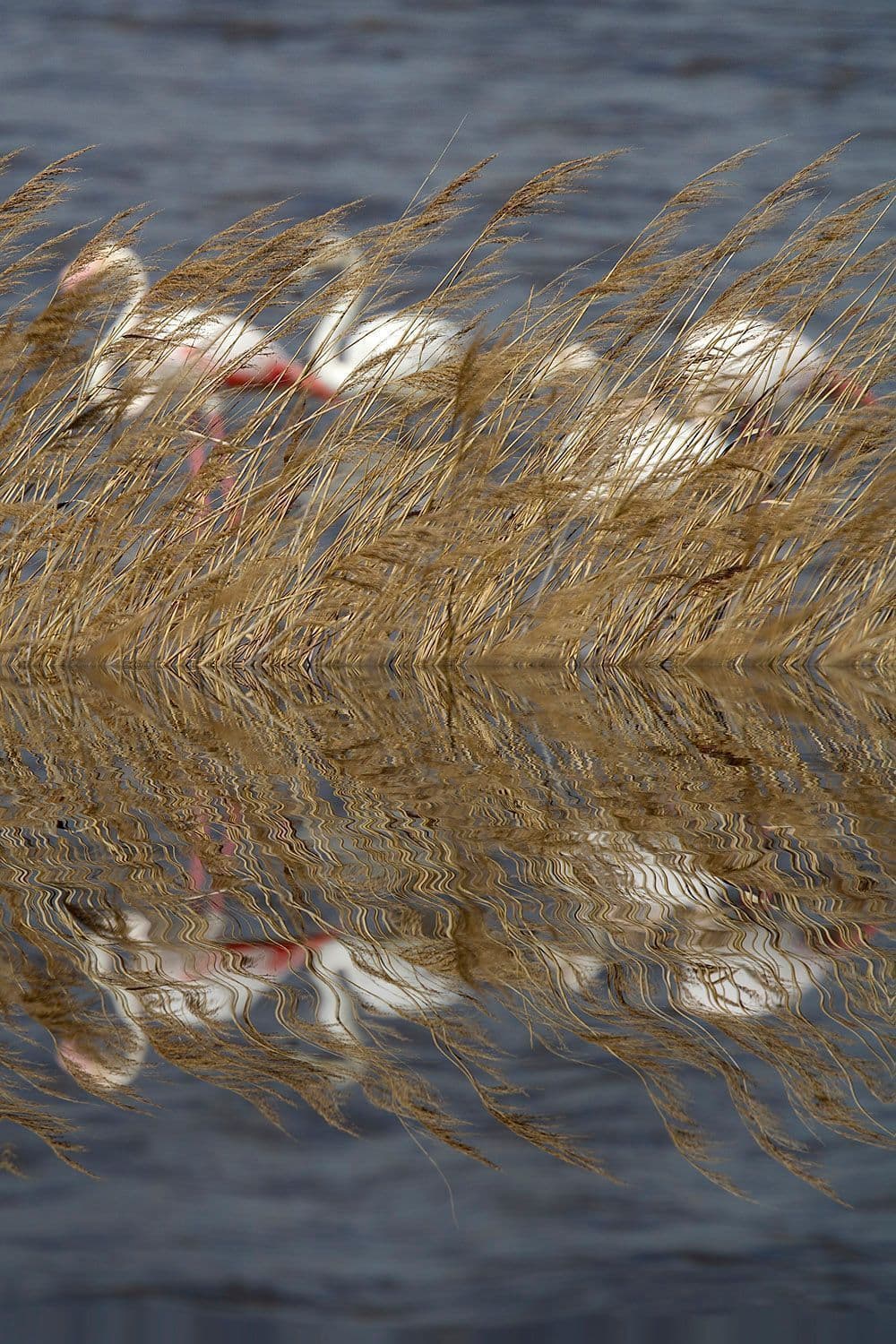
Marjal dels Moros
Wetland of extraordinary ecological value, classified as a ZEPA area, fundamental for the survival of aquatic birds and native species in danger of extinction.
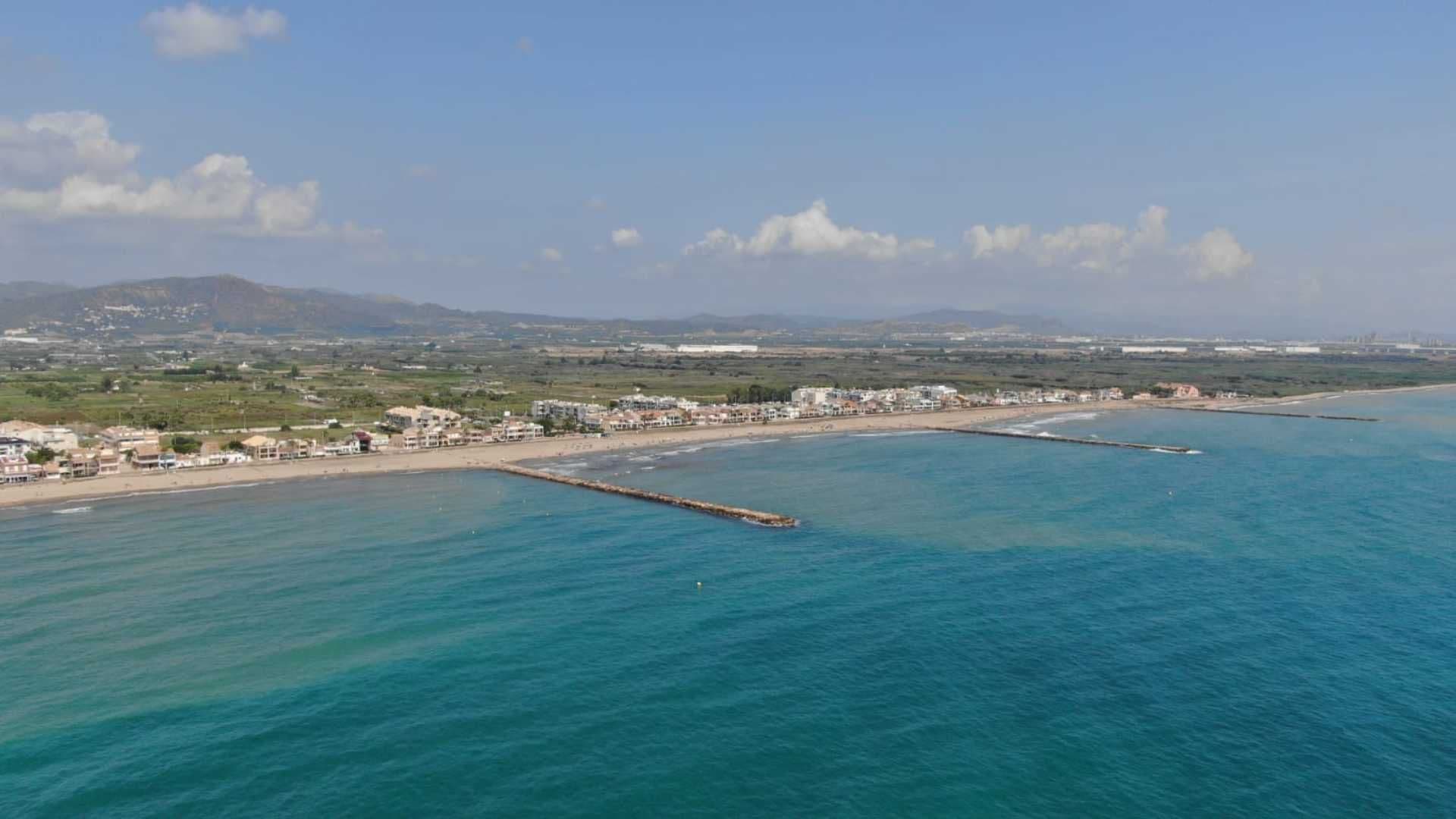
Pucol Beach
More than two kilometers of coastline awarded the Blue Flag, which stands out for its fine sand, calm waters and a pedestrian promenade ideal for family and accessible tourism.
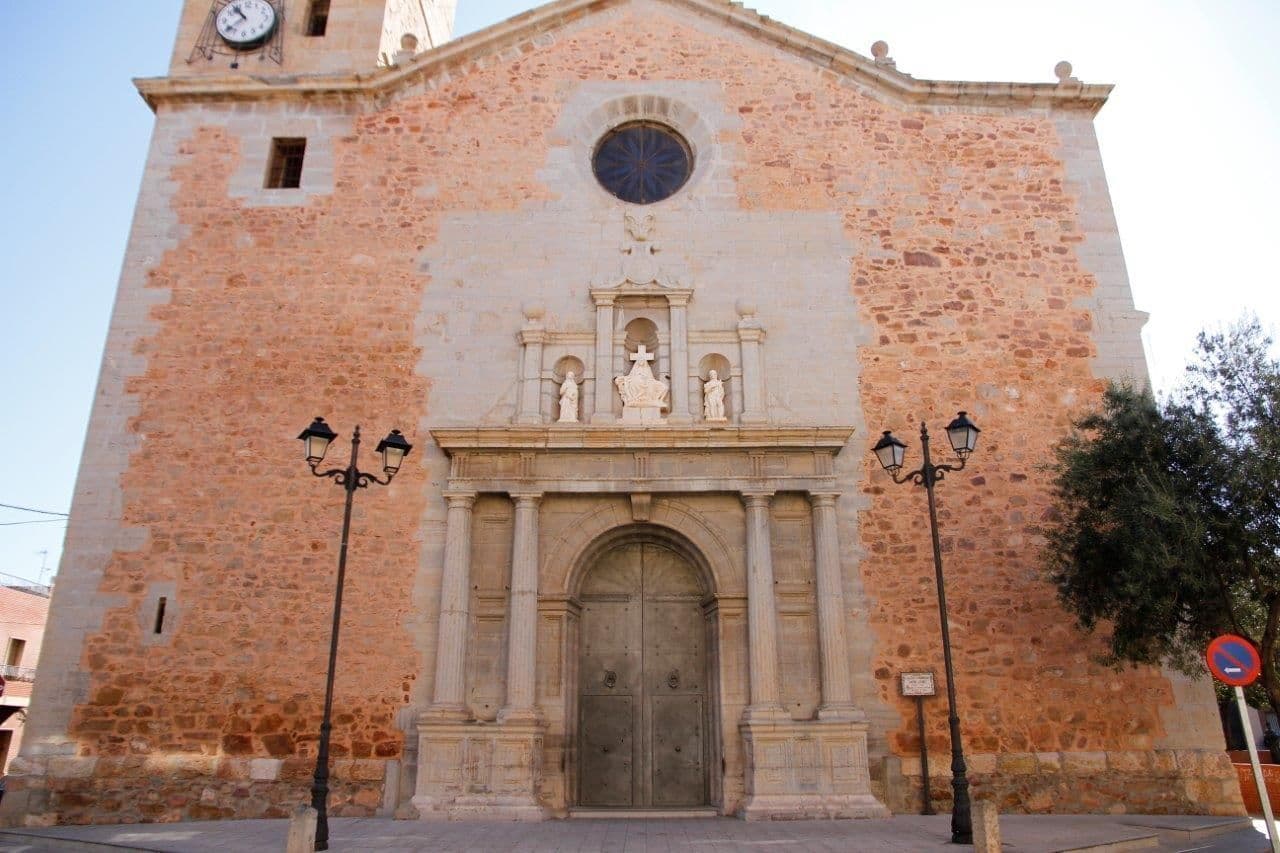
Church of Saints John
The nerve center of the town, where faith and architecture meet.
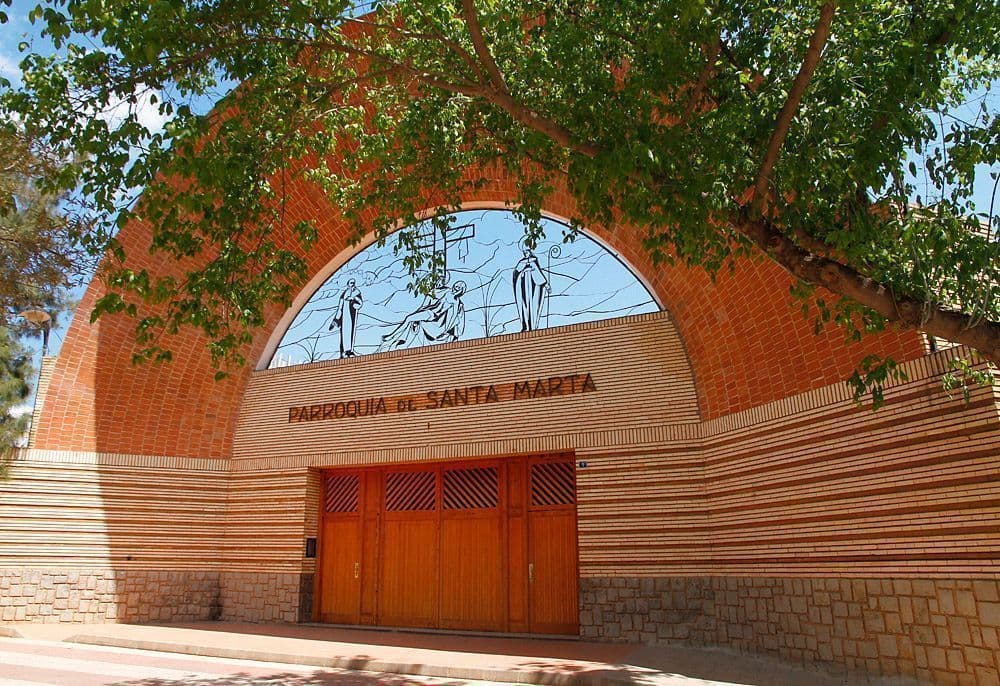
Church of Santa Marta
It is a modern-style church inaugurated in 1964. It is characterized by its functional design, typical of the final stage of the Second Vatican Council, where the use of natural light and the fact that it was built by the local parishioners themselves are particularly noteworthy.
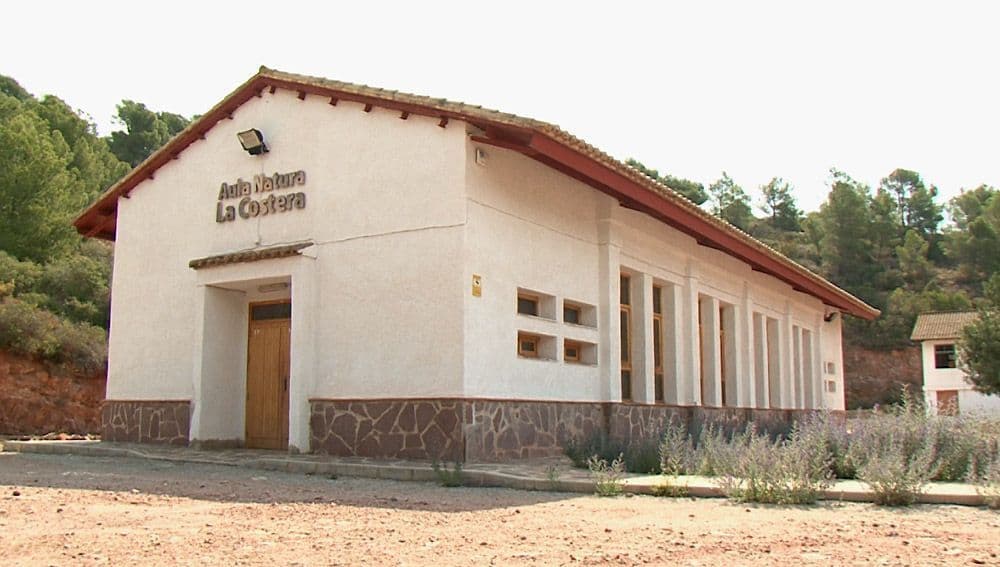
La Costera
A protected area of 517,245 m² that combines the recovery of Mediterranean biodiversity with environmental education infrastructure such as the Aula Natura.
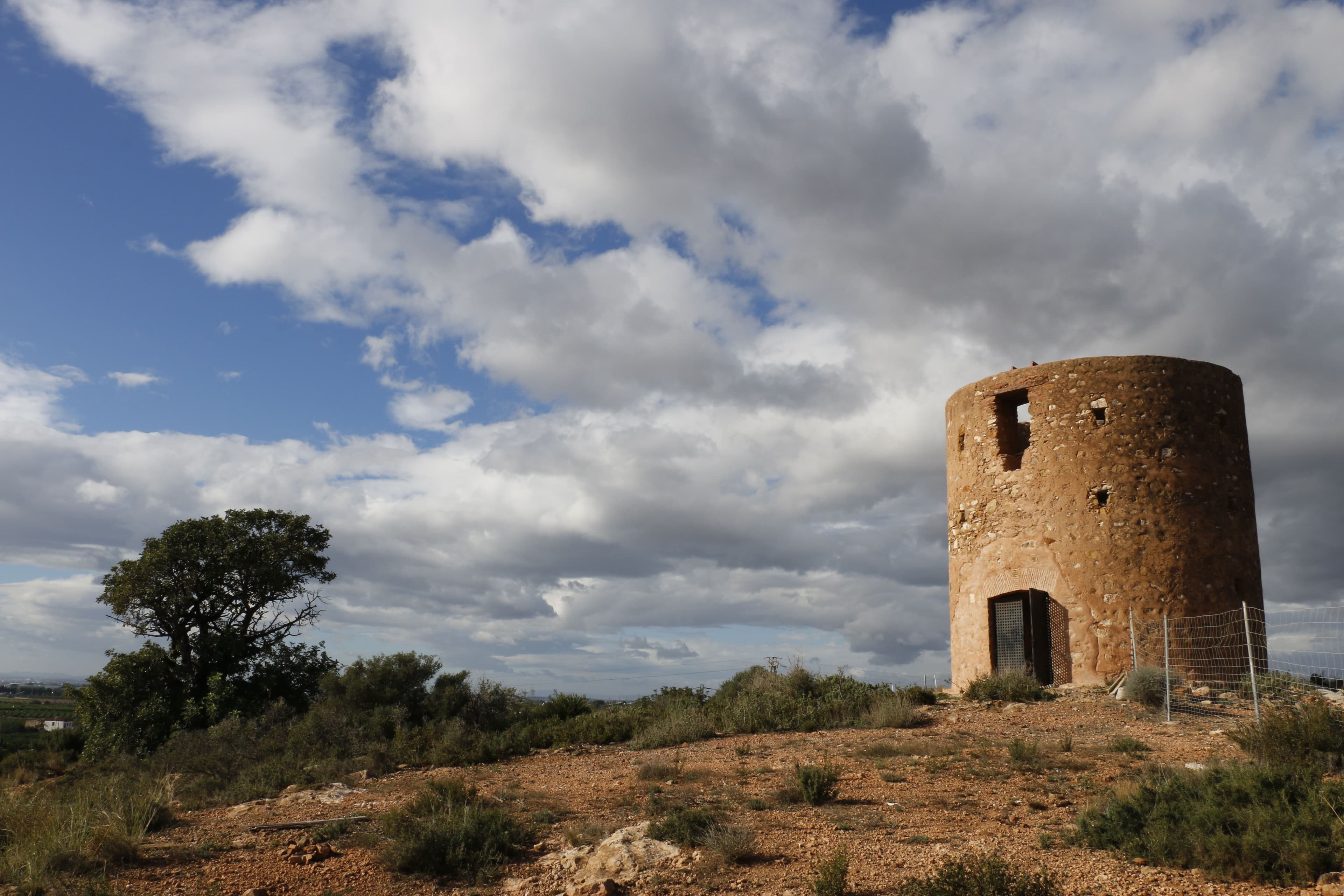
Molí de Vent
Old mill of Arab structure located on a strategic hill, offering one of the best panoramic views of Puçol and the Mediterranean coast.
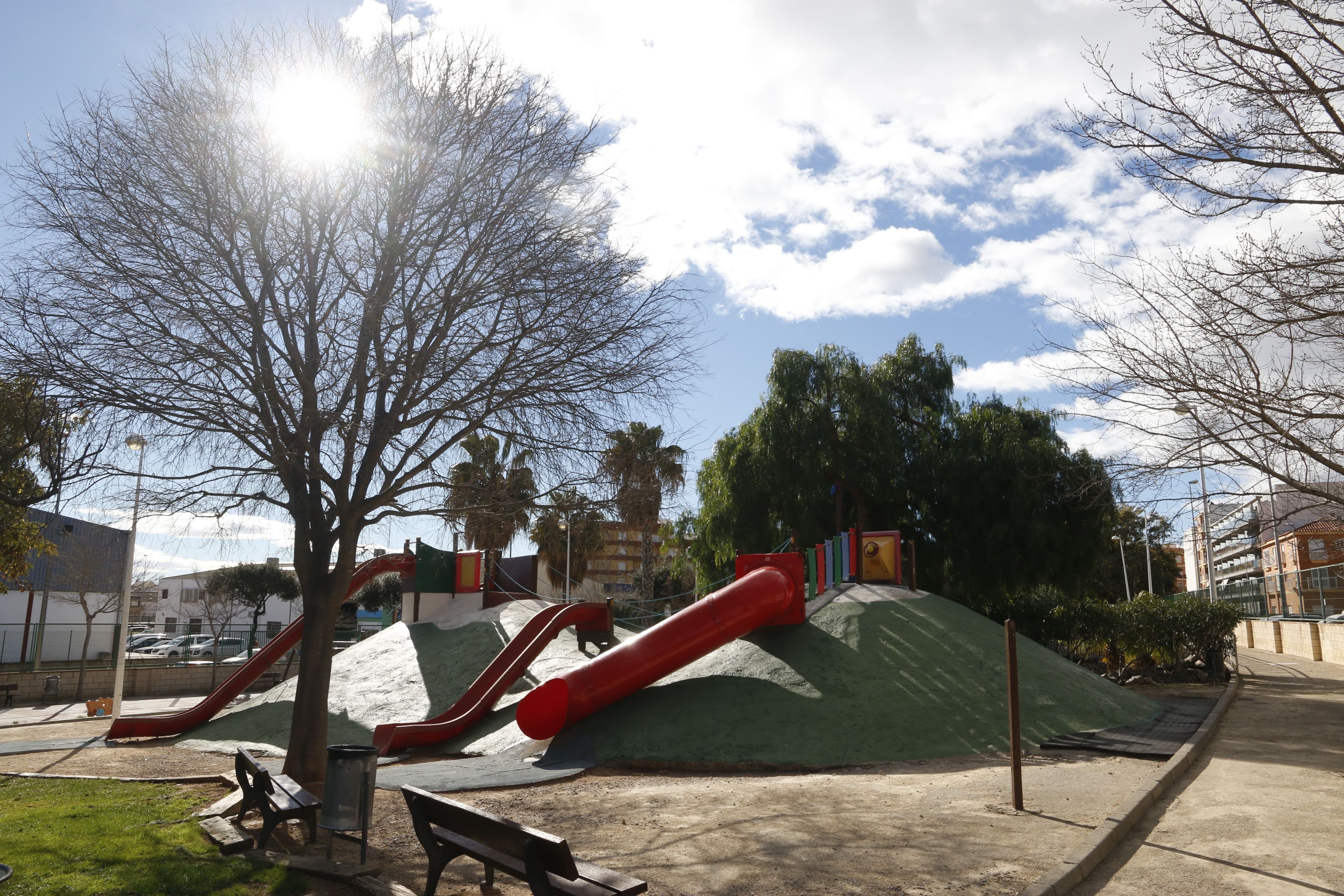
Ribelles Park
Inaugurated on May 25, 1999, it is named after the poet from Puçol, Josep Maria Ribelles i Llobat, and features multiple species of trees.
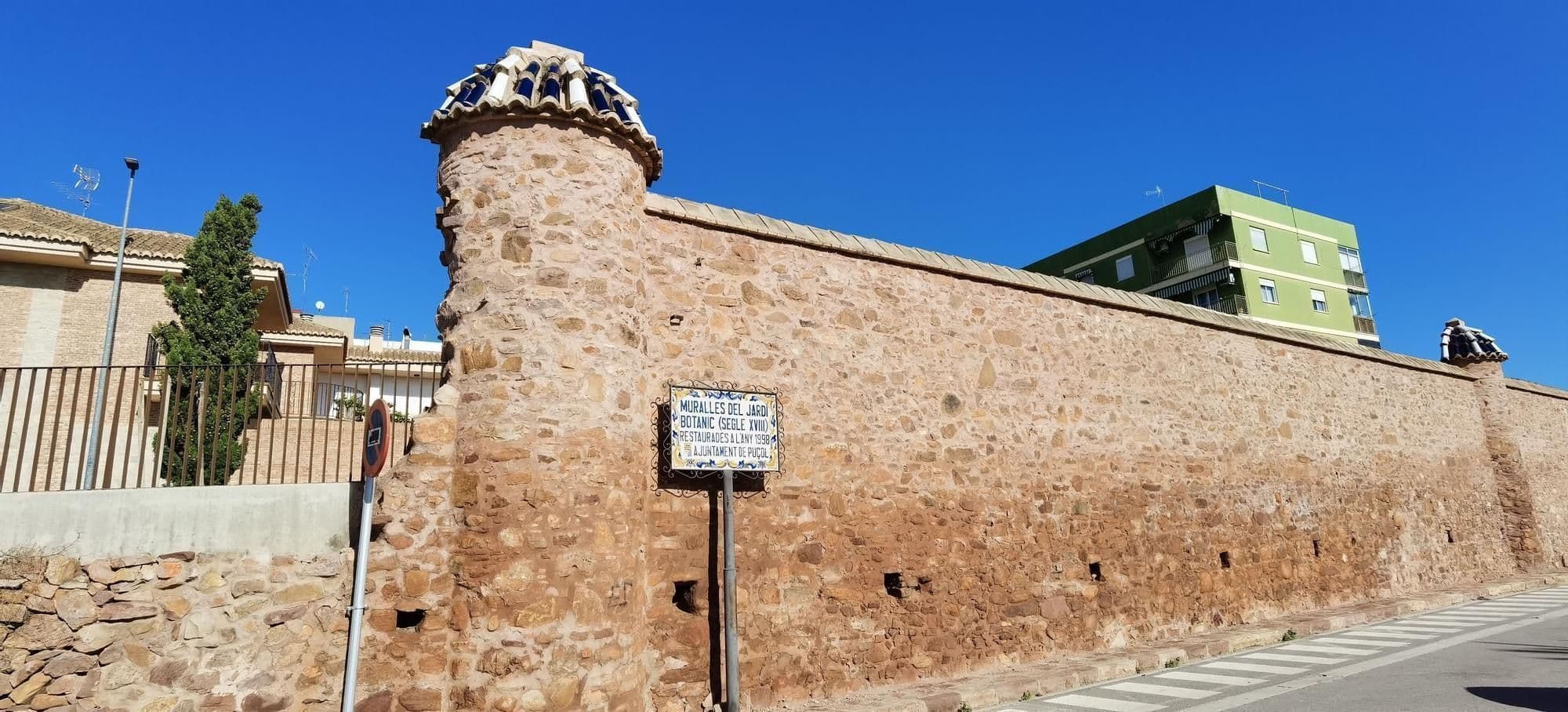
Botanical garden wall
Baroque remains of the old Archbishop's Palace that protected the first university botanical garden in Europe.
Services

Beach Parking
Large free parking area with direct access to the beach and promenade.
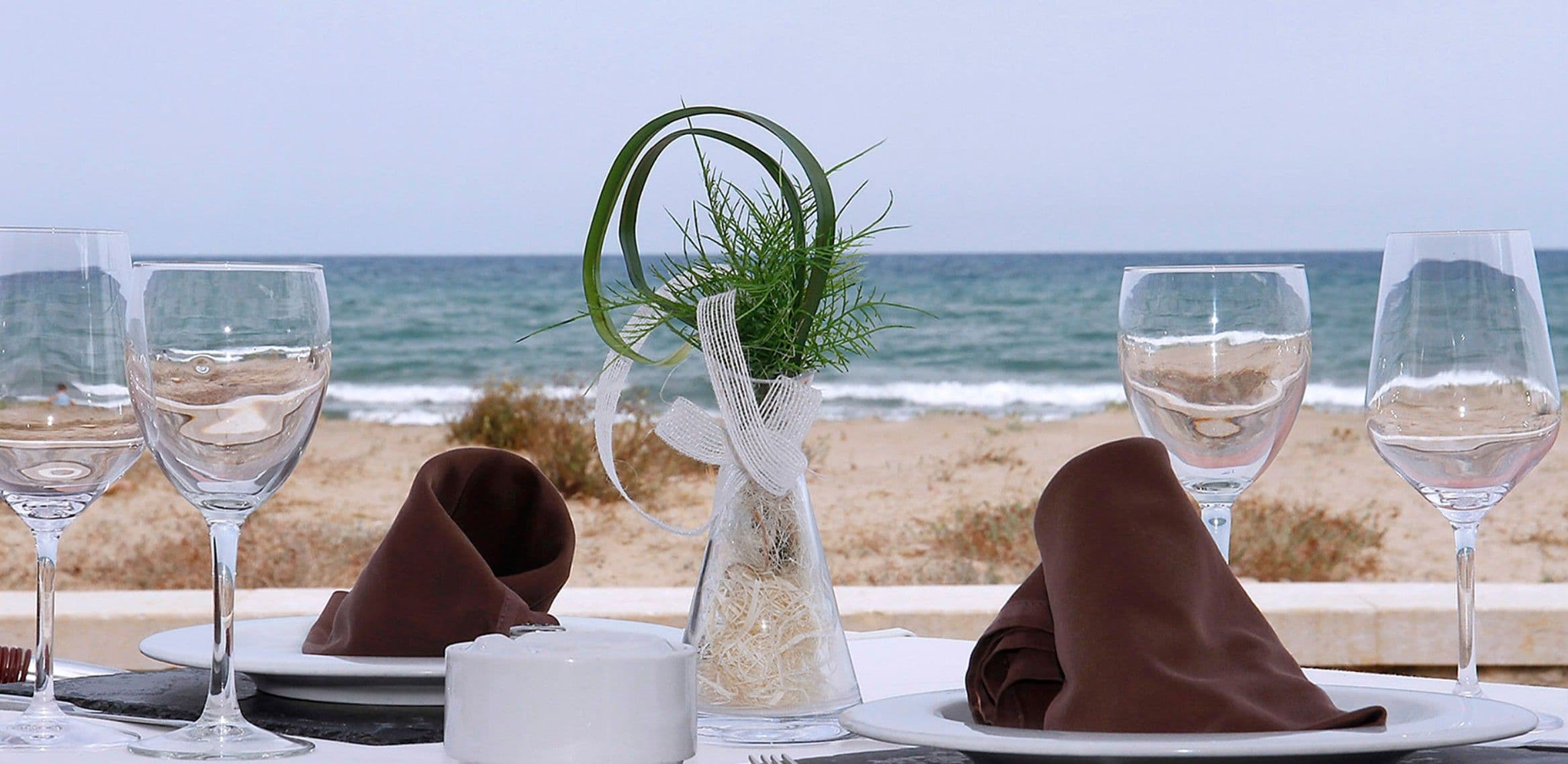
GALLI RESTAURANT
Galli is a Mediterranean restaurant where fresh produce, rice dishes, and traditional flavors take center stage. A welcoming, family-friendly space to enjoy classic cuisine by the sea.
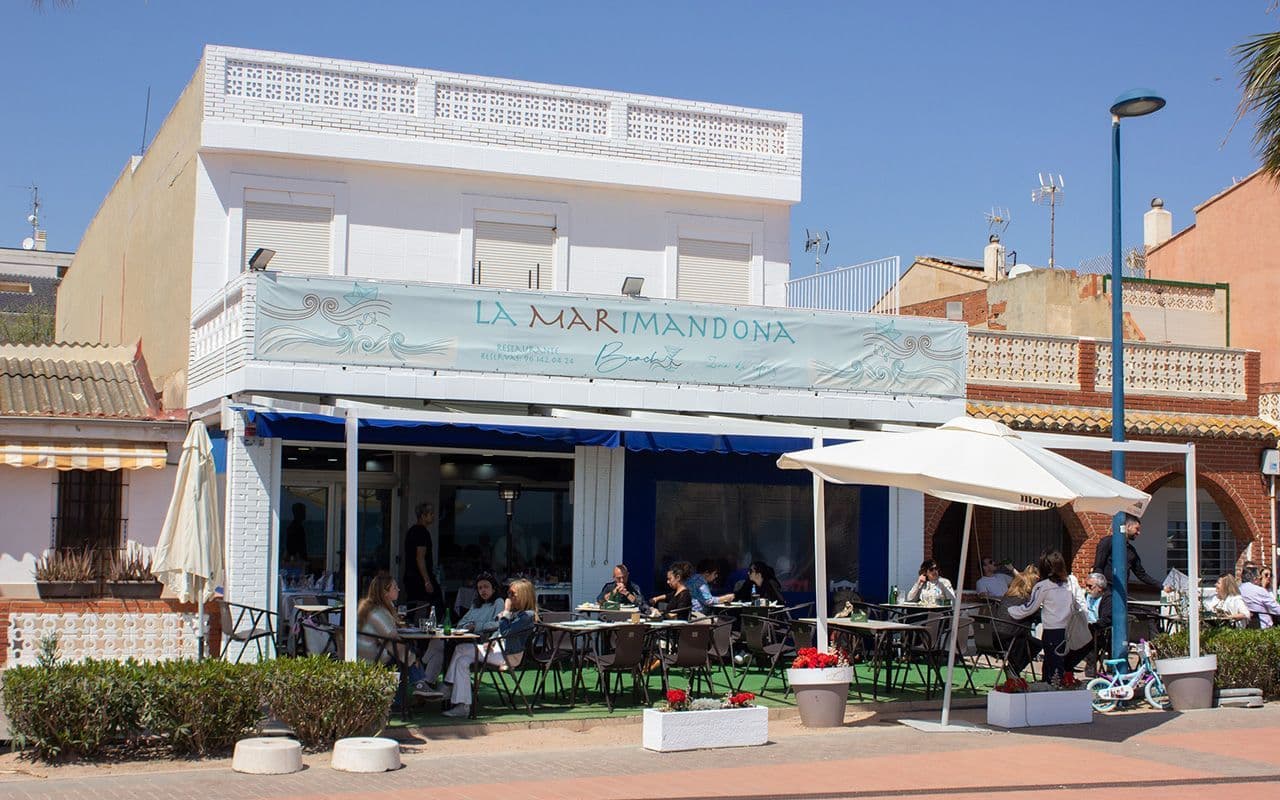
LA MARIMANDONA BEACH RESTAURANT
La Marimandona Beach offers a fresh and relaxed experience by the Mediterranean, with a fusion of Valencian and Italian cuisine, and in a relaxed atmosphere with sea views as the perfect setting to share great moments.
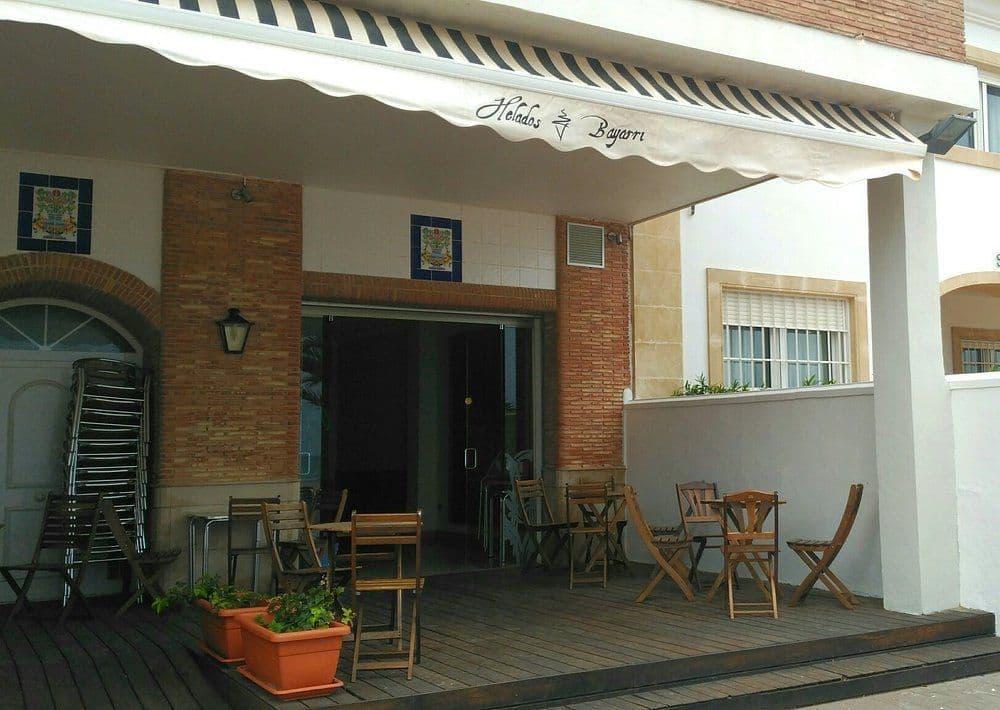
BAYARRI ICE CREAM
Helados Bayarri is an ice cream shop designed to enjoy the most refreshing flavors by the sea, with horchata and a wide variety of ice creams in an environment perfect for sharing moments with family or friends.
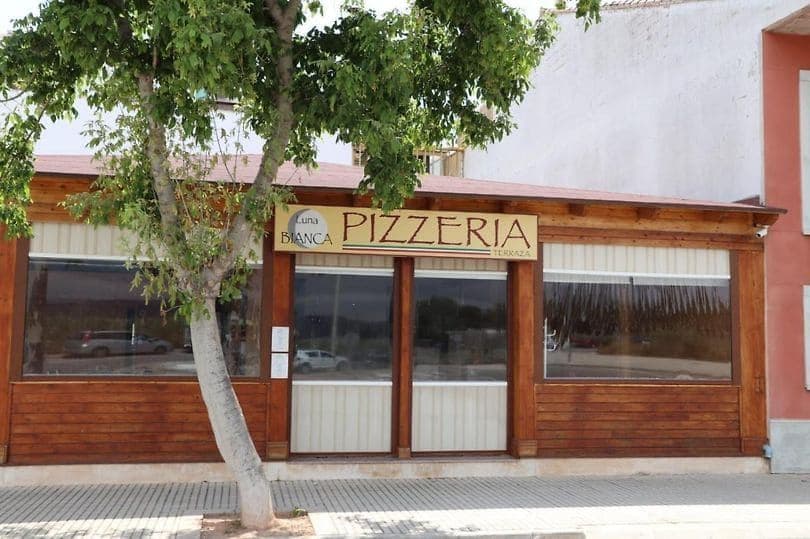
LUNA BIANCA PIZZERIA
Luna Bianca is a cozy pizzeria with a friendly, family atmosphere. Artisan pizzas, pastas, and authentic flavors make every visit a memorable experience to enjoy and share.
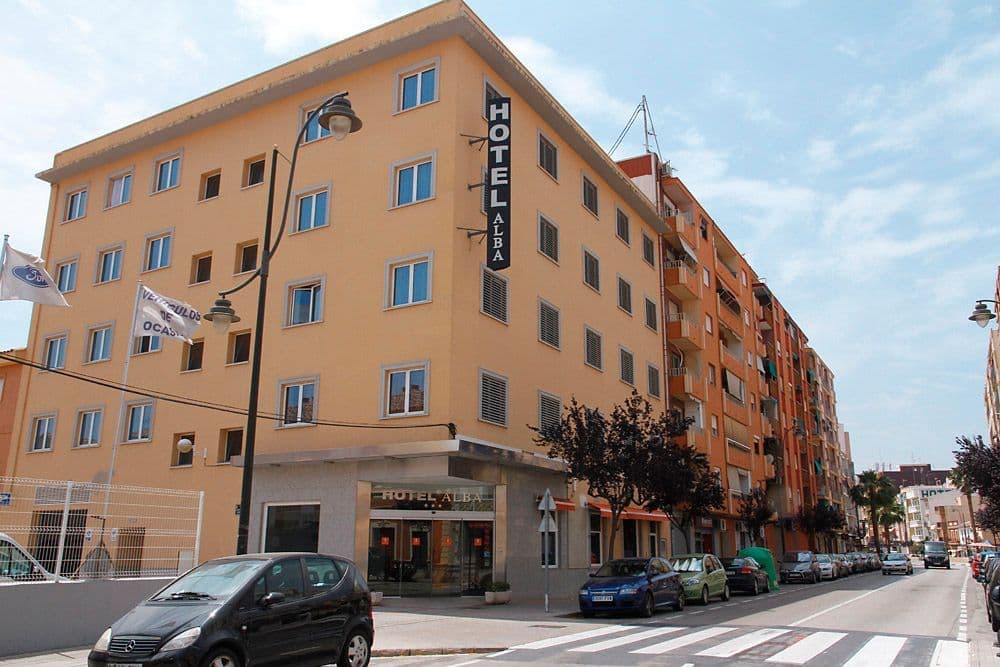
Hotel Alba
Modern and functional hotel, ideal for business stays or getaways near Valencia.
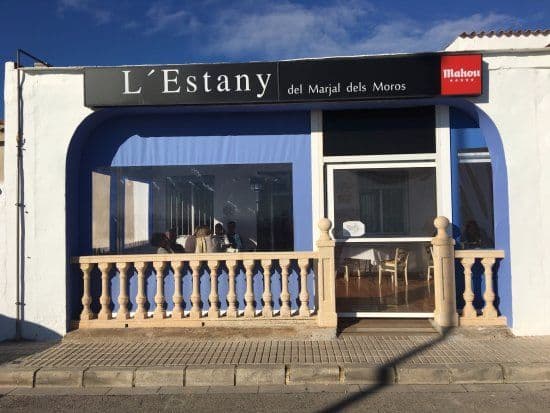
RESTAURANT ESTANY of the Marjal dels Moros
L’Estany is a restaurant that offers an experience linked to the rhythms of the sea and Mediterranean coastal culture. In a rustic setting, surrounded by nature, its menu features rice dishes, fresh fish, and grilled meats, with a Valencian essence alongside the Marjal dels Moros wetlands.
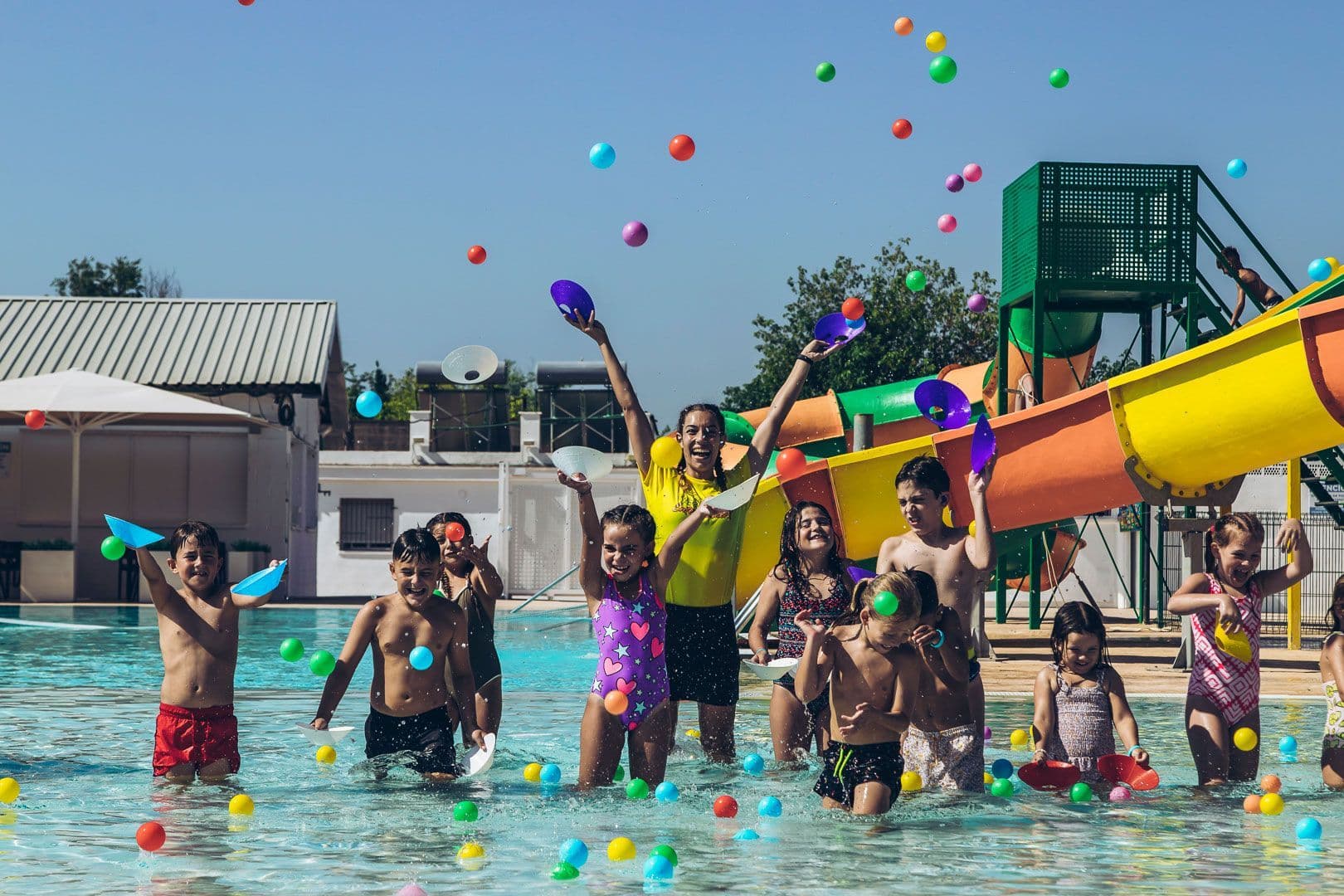
Camping Puçol
Quiet and welcoming campsite with a family atmosphere next to the Mediterranean Sea.
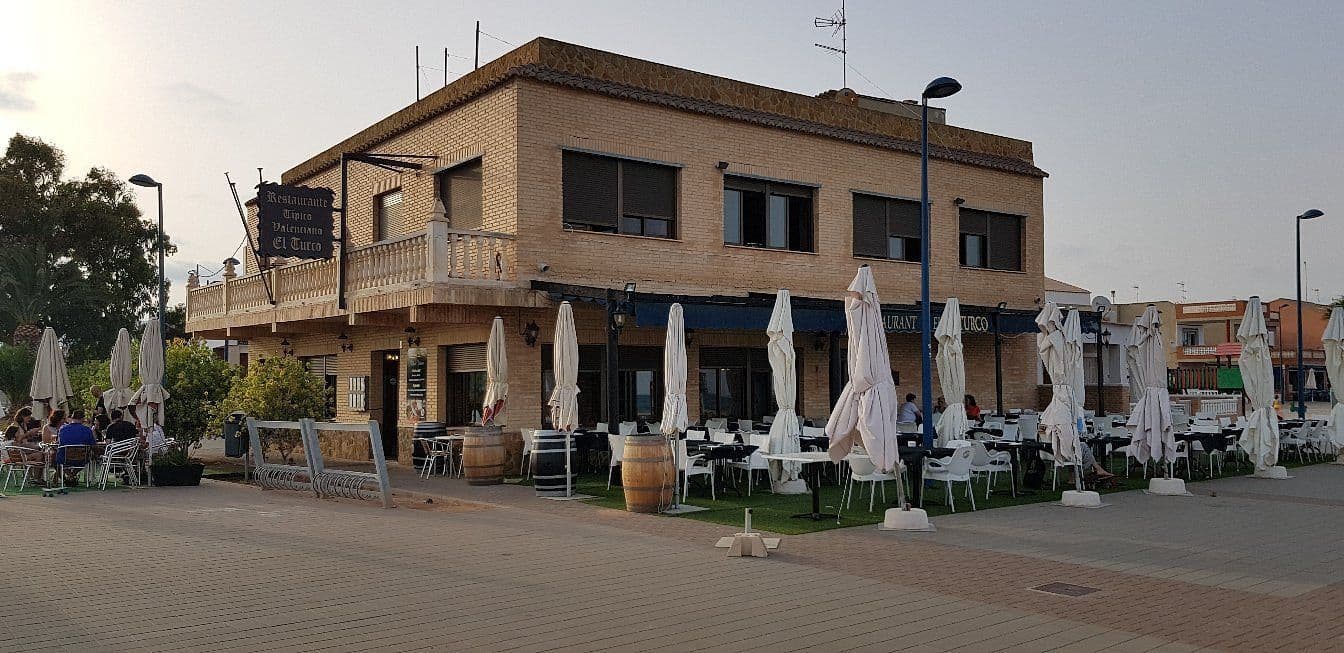
EL TURKO RESTAURANT
A restaurant with a Mediterranean essence where you can enjoy rice dishes, tapas, and fish from traditional Valencian cuisine in a friendly and welcoming atmosphere. El Turco combines a warm, family-friendly atmosphere with authentic flavors overlooking the sea in Puçol.
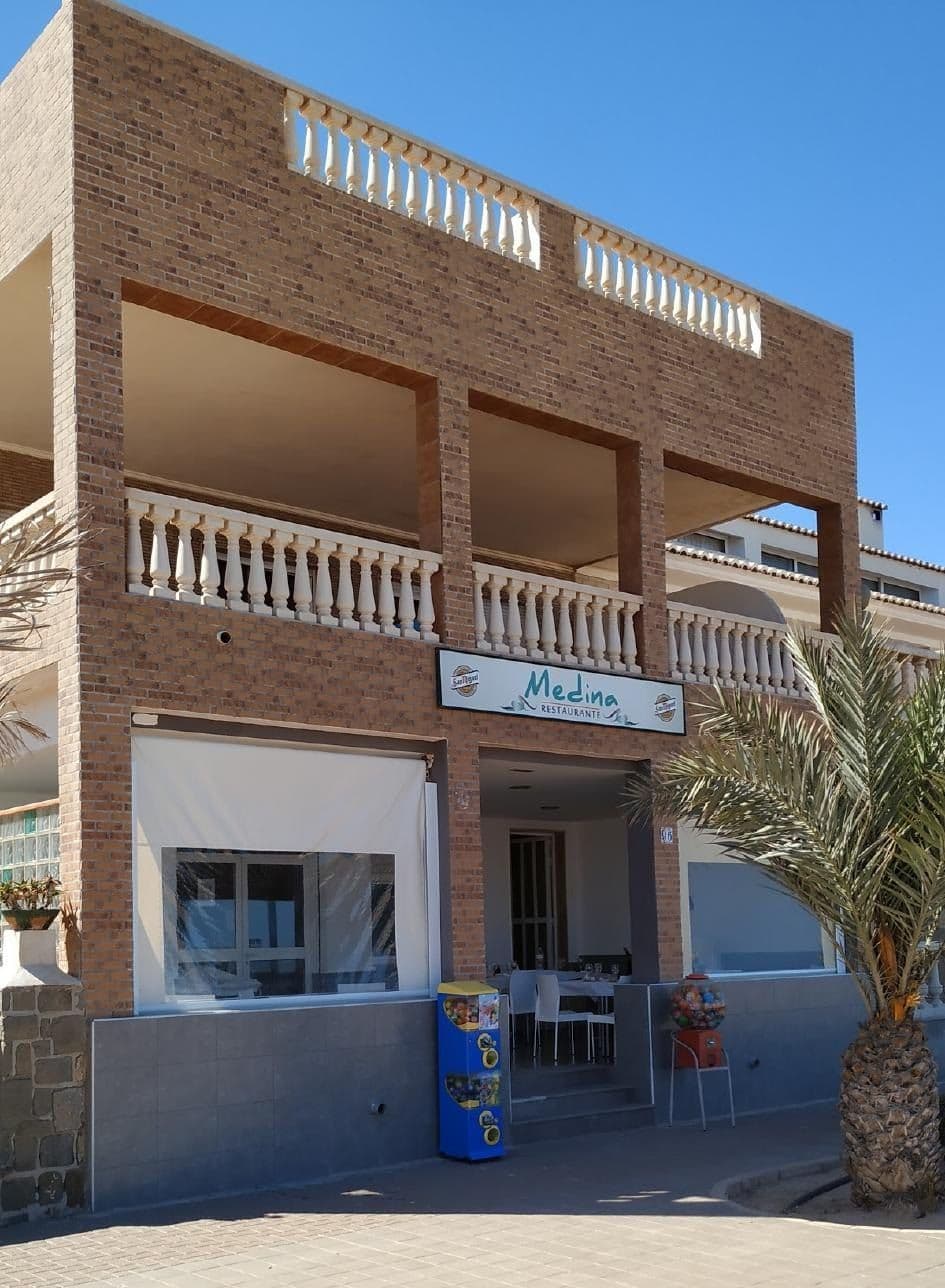
MEDINA RESTAURANT-BAR
Bar Medina is a traditional meeting point on Puçol beach, ideal for enjoying tapas, meals and a friendly and relaxed atmosphere at any time of day.
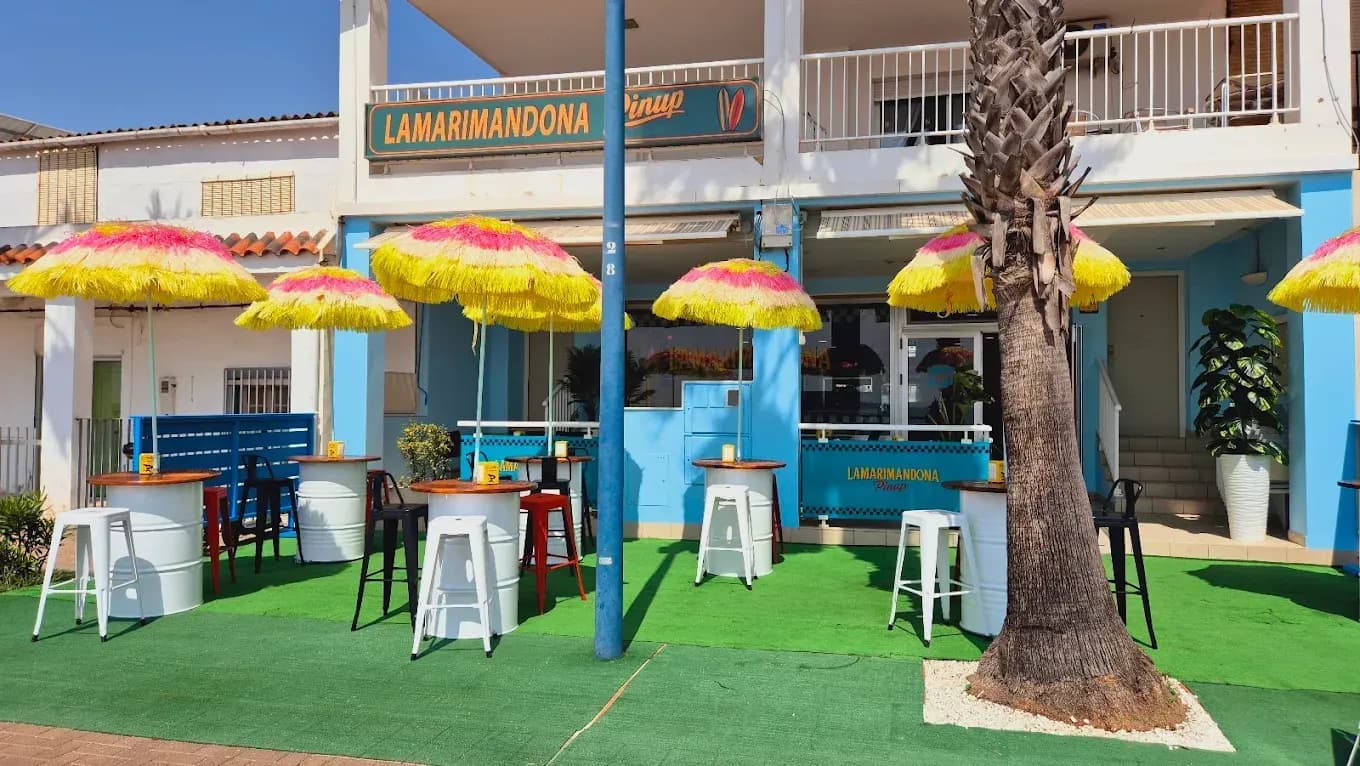
LA MARIMANDONA PINUP RESTAURANT
La Marimandona PinUp combines style and fun in its retro decor and musical ambiance. A place designed to enjoy great burgers and a variety of options from other culinary cultures.
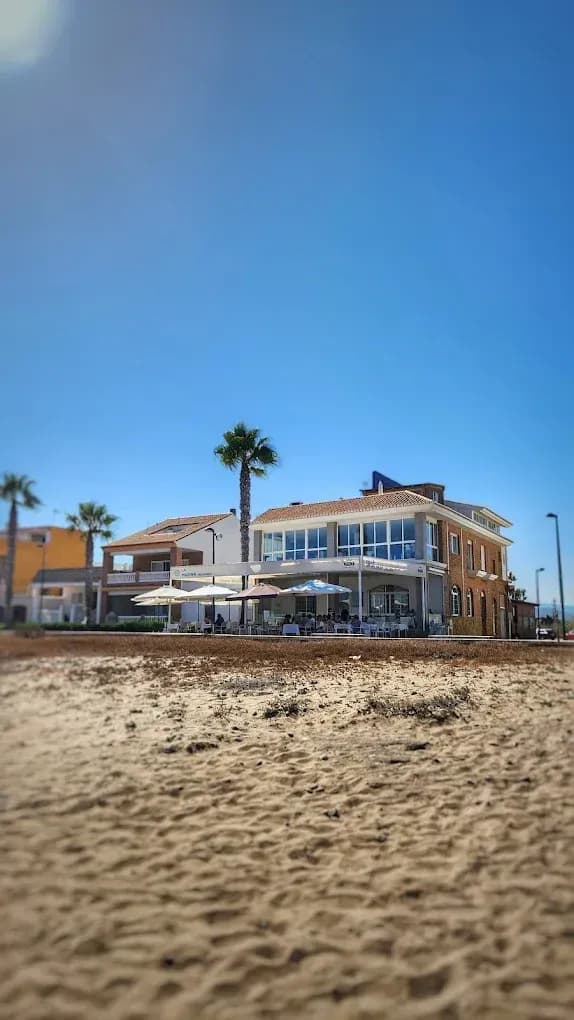
LA MARINA RESTAURANT
La Marina is a renowned restaurant on Puçol beach, specializing in Mediterranean cuisine, rice dishes, and fresh seafood. It's a place designed for enjoying tradition, flavor, and tranquility overlooking the Mediterranean.
Blog
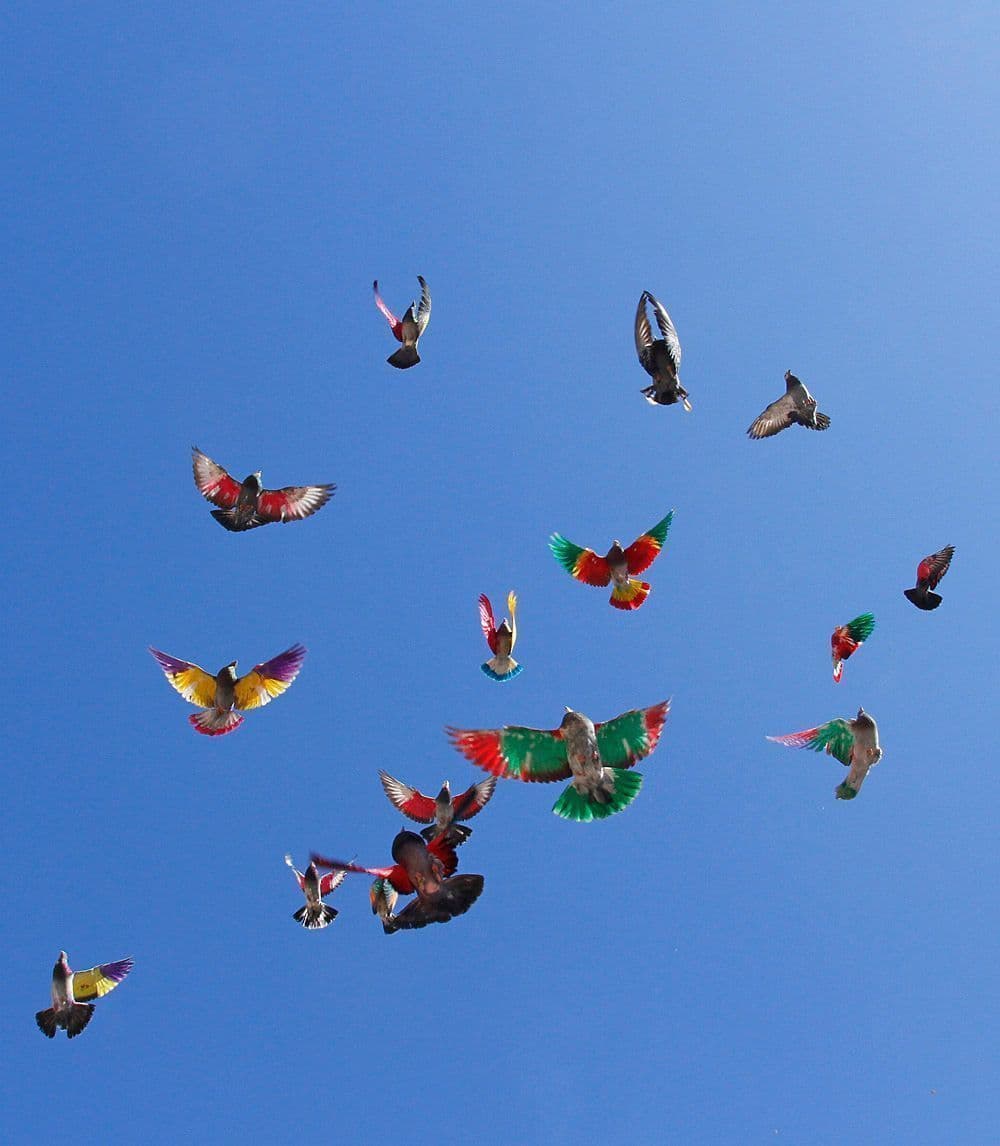
Traditions
The pride of a culture

Sun and beach
Puçol beach offers you different possibilities, from scuba diving activities to moments of complete tranquility under the warm Mediterranean sun, all backed by three quality distinctions
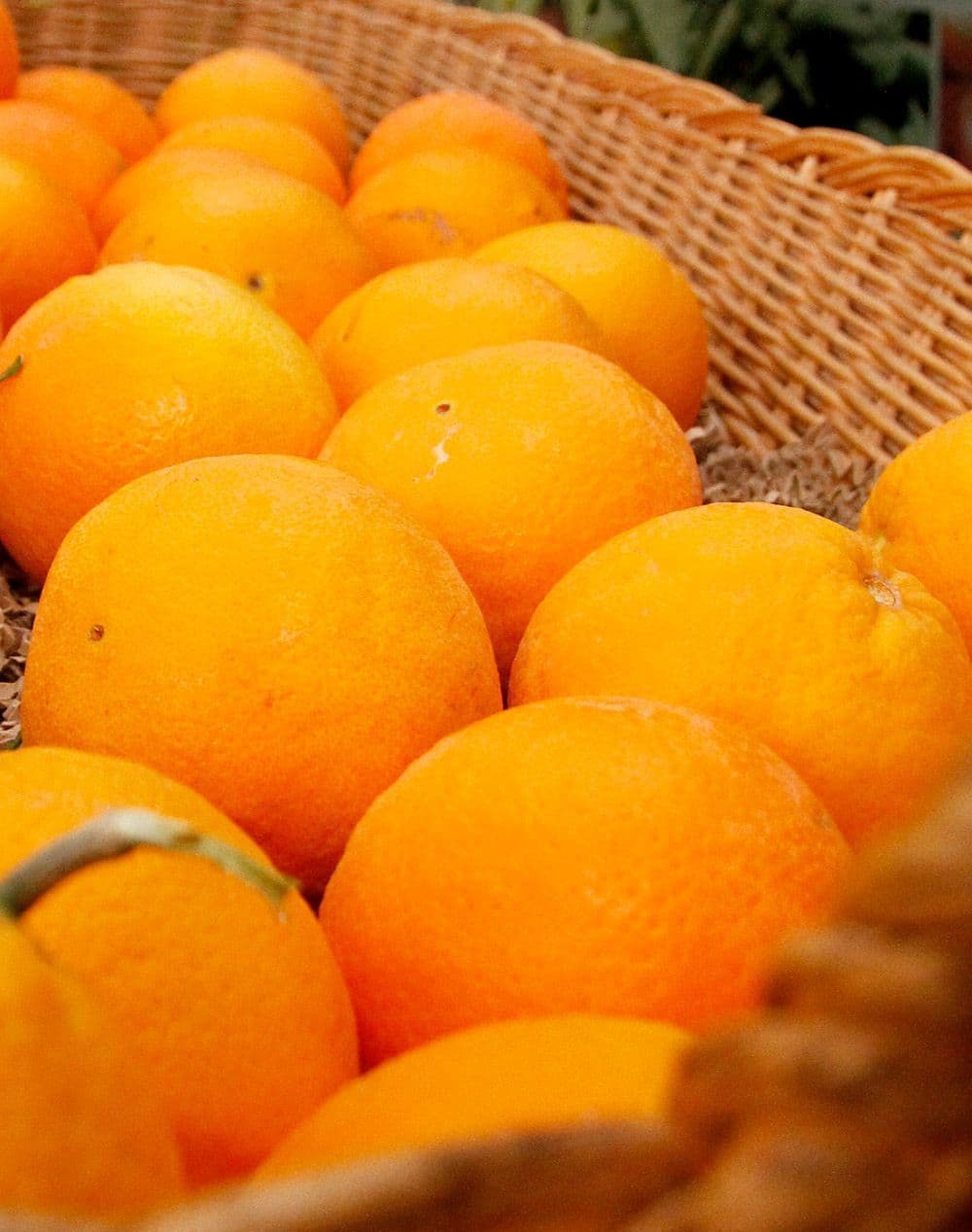
Typical dishes
Paella, rabbit, eels or stew are the traditional first courses, always accompanied by sweets such as brazo de gitano or torta, not forgetting the orange
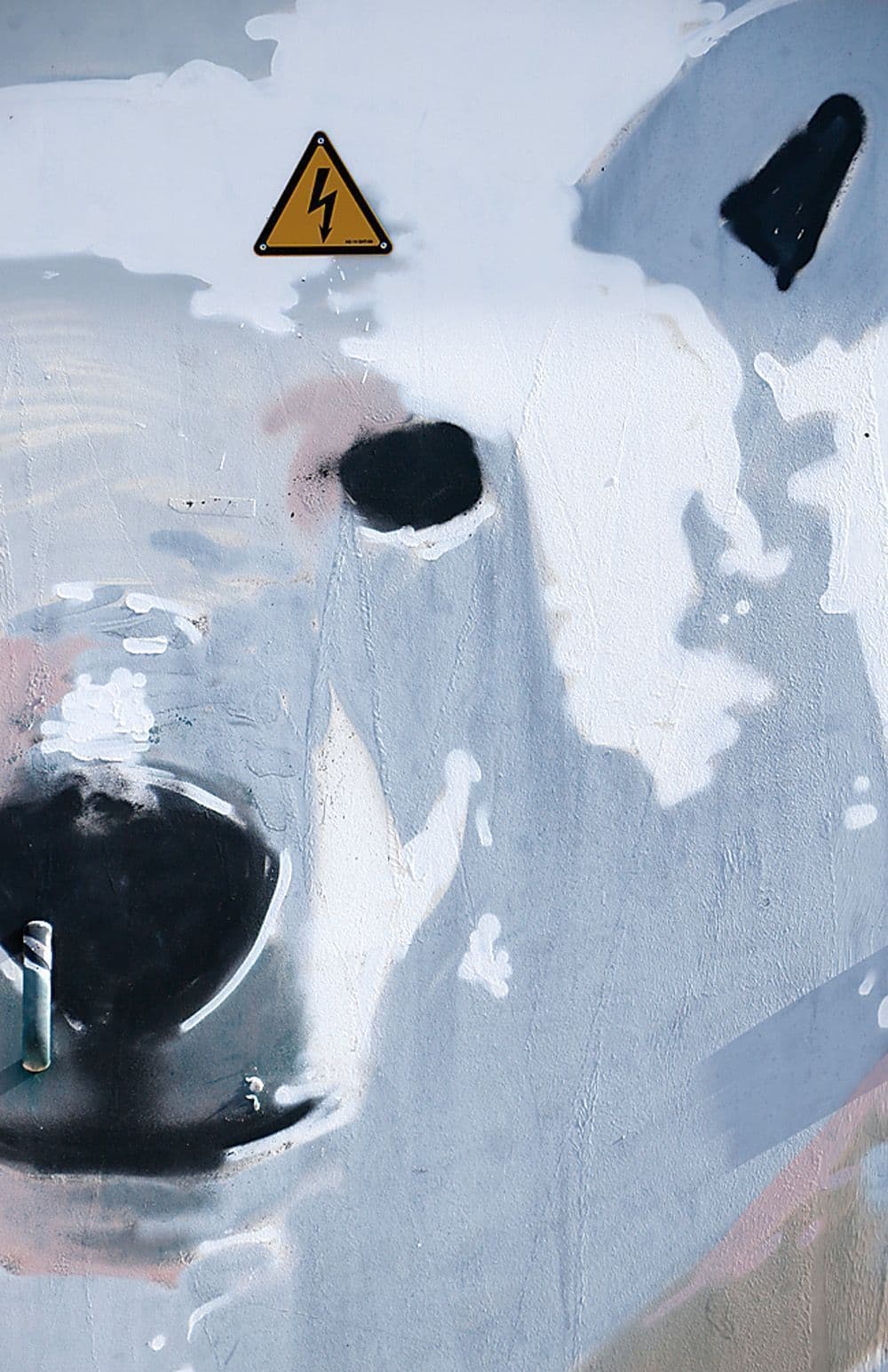
Open-air museum
The competition helps to position graffiti as an artistic expression of interest to the general population, helping to improve their quality of life by enhancing the environment.
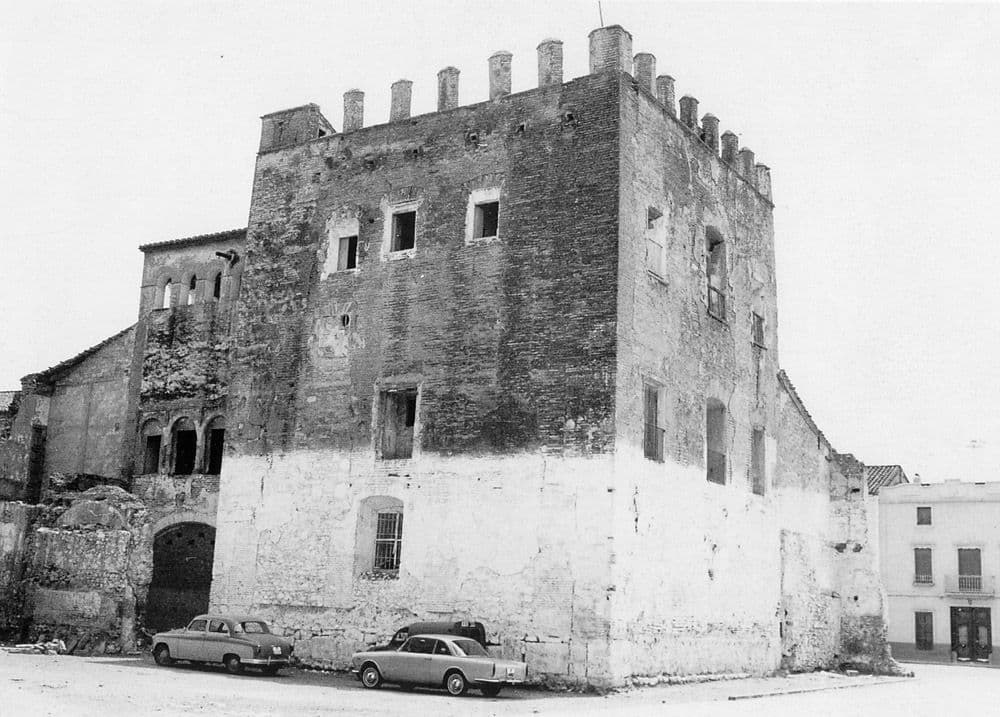
History
The origins of Puçol date back to Roman times, when it was called Puteus, which means "Well"
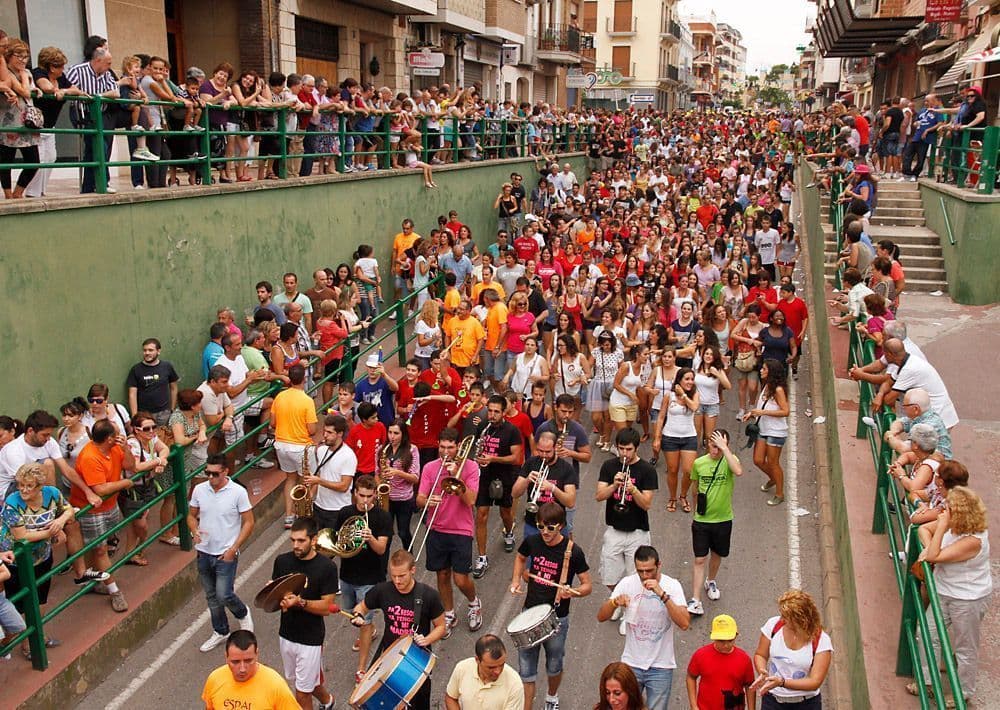
Parties
Short description for parties
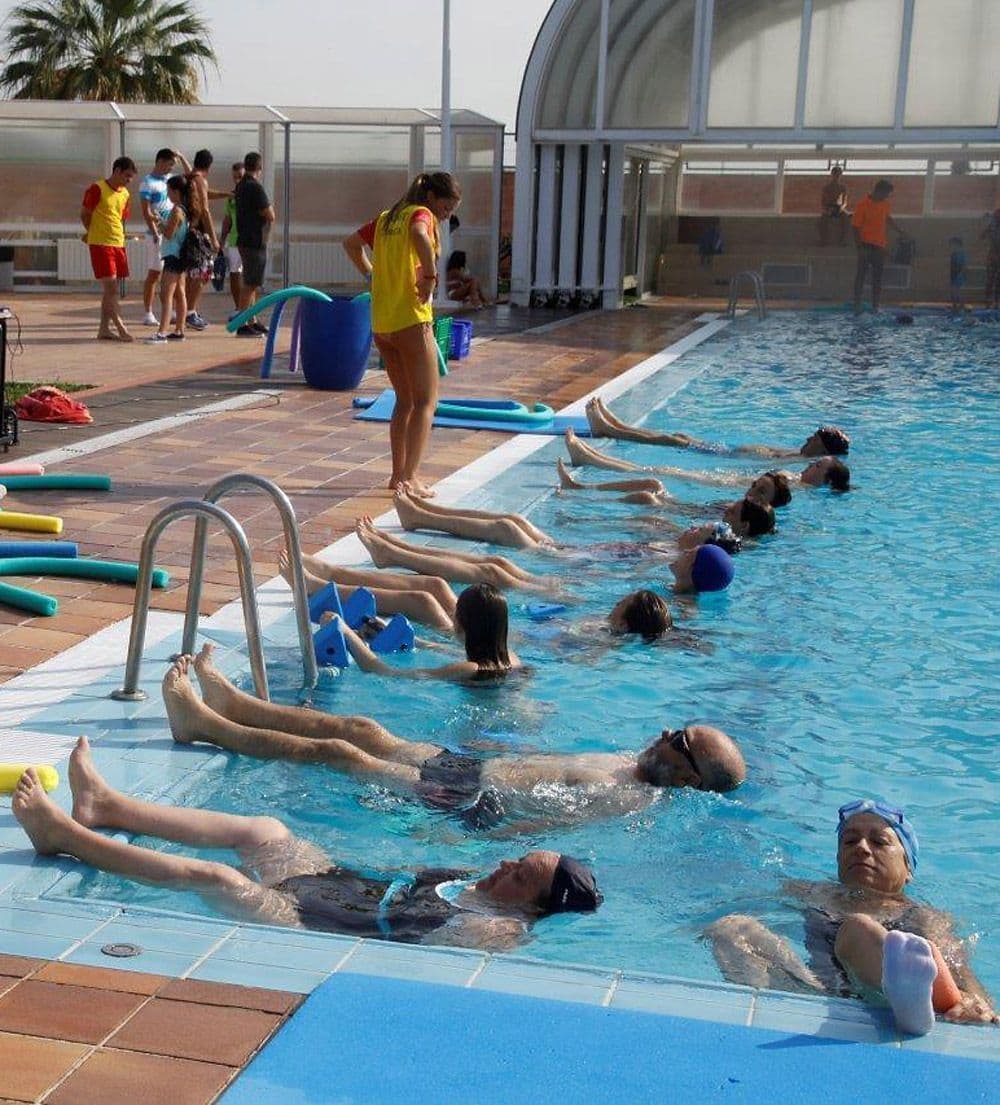
Sports
Short description: Sports
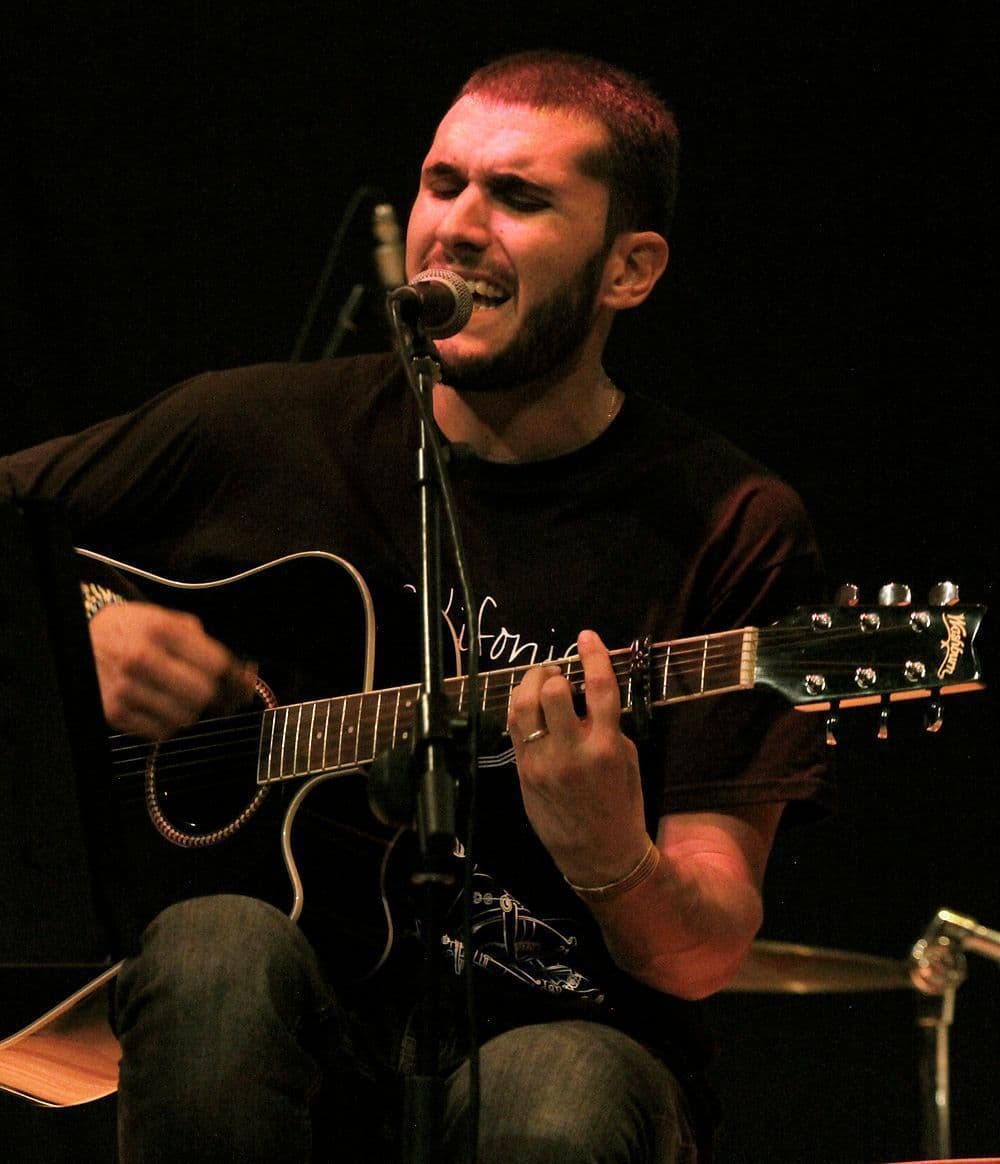
Culture
Short description of culture