


Traditions
The pride of a culture
Traditional
Street Dances
Les Dansades are traditional street dances very popular in the Valencian Community and usually accompany any festive or cultural event (parade, early morning wake-up call, procession, folk dances, dawn serenades, etc.). The Dolçaina and Tabaleter groups of Puçol are a fixture on the festival scene, demonstrating the strength and solidity that we have achieved year after year through a combination of effort and enthusiasm over many years. Indeed, some members of the group are grandchildren of dolçaina and rondalla players from the first half of the 20th century; it is a tradition passed down from generation to generation.
In 1980, the Puçol Municipal School of Dances was created with the aim of reviving our folk dances. This school has been teaching jotas, fandangos, and boleros for over three decades. The municipal dance school can boast of being one of the oldest in Puçol, having been founded even before the House of Culture itself. This longevity is primarily due to the loyalty of its students, who year after year maintain the same enthusiasm for dancing and for passing that passion on to younger generations.
Tabal i dolçaina (Drum and Pipe)
The Tabal i Dolçaina School was founded in Puçol in 1980 and boasts a large number of students. They are usually accompanied by the traditional "albaes" (albaes). Throughout its long history, the school has not only participated with its live music in most of the town's festive and cultural events, but has also recorded a cassette and two CDs, performed in numerous towns, and even accompanied renowned experts in the field.
Emboladores (Bull-Tipping Makers)
The making of the balls for the famous "Bou embolat" (Bull with Fireballs) has endured through time and remains deeply rooted in the local tradition. The "embolaors" team is responsible for carrying out these tasks, using hemp and flammable materials attached to the metal fittings. They then proceed to set the bull on fire. This tradition is particularly charming for combining two symbols of Iberian culture: the bull and fire, in a town with a long-standing bullfighting tradition.
The embolada with metal fittings is the most typical method for setting the fire bulls on fire due to its simplicity and speed in attaching the equipment. It consists of attaching metal fittings to the bull's horns, each fitted with two rings. These fittings are inserted into the horn and secured by tightening. The fireball is then placed at the end of the fittings.
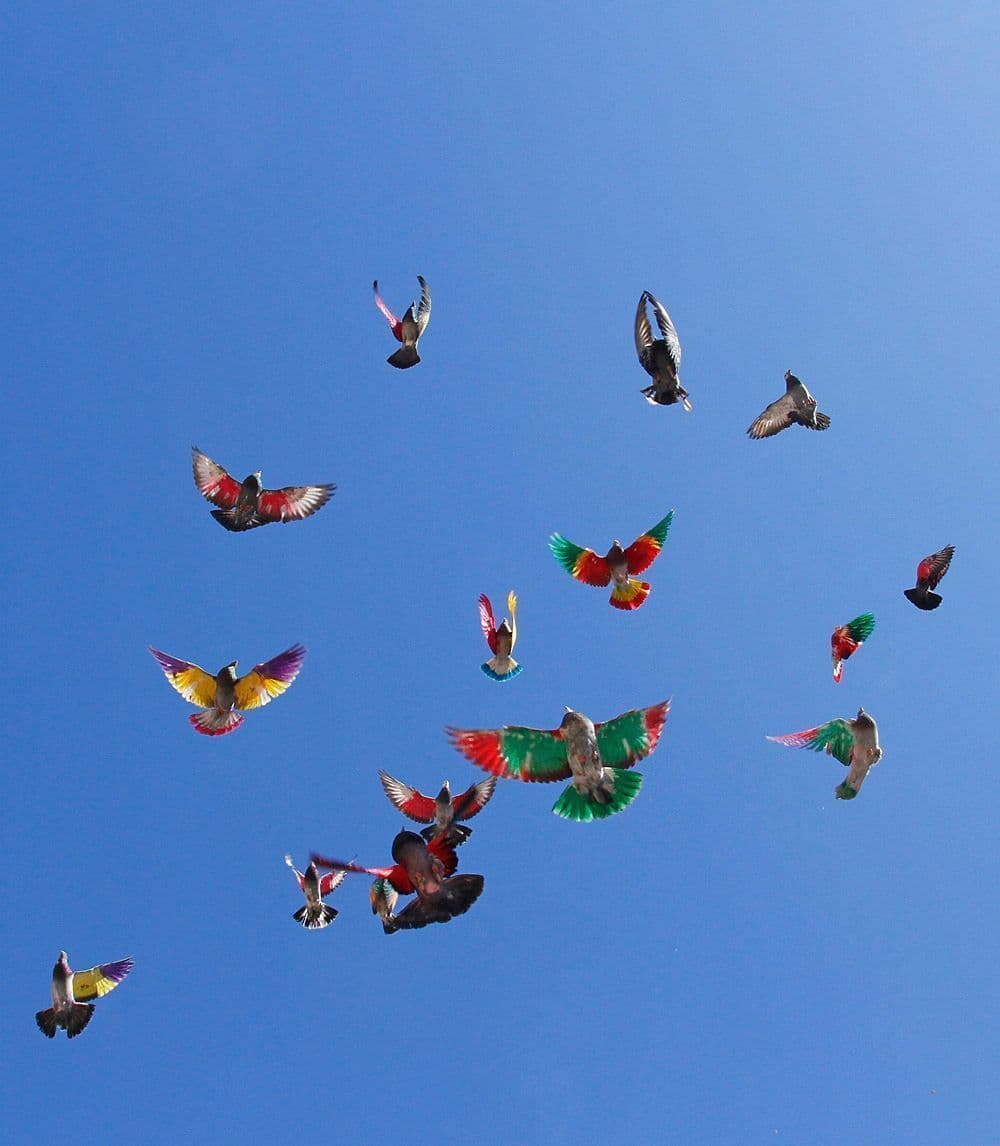
Pigeon Fanciers
This sport, originating in the Valencian Community, has been a popular pastime among the residents of Puçols for many years. It consists of keeping the male pigeons in cages separate from those of the females. On the day of the "release," the female pigeon is released, and the males compete with each other until one manages to win her over.
Image Gallery
Places of Interest
Marjal dels Moros
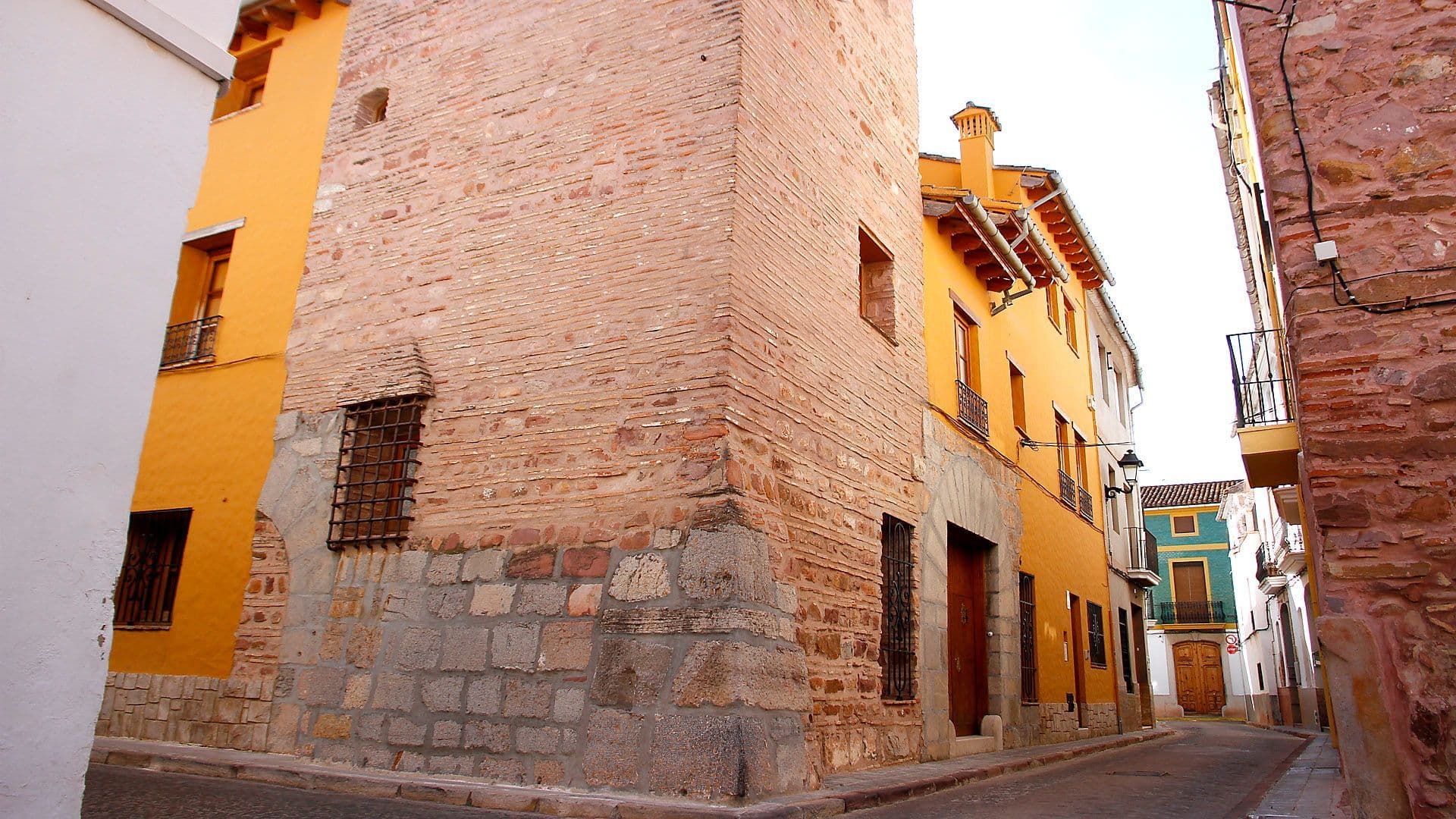
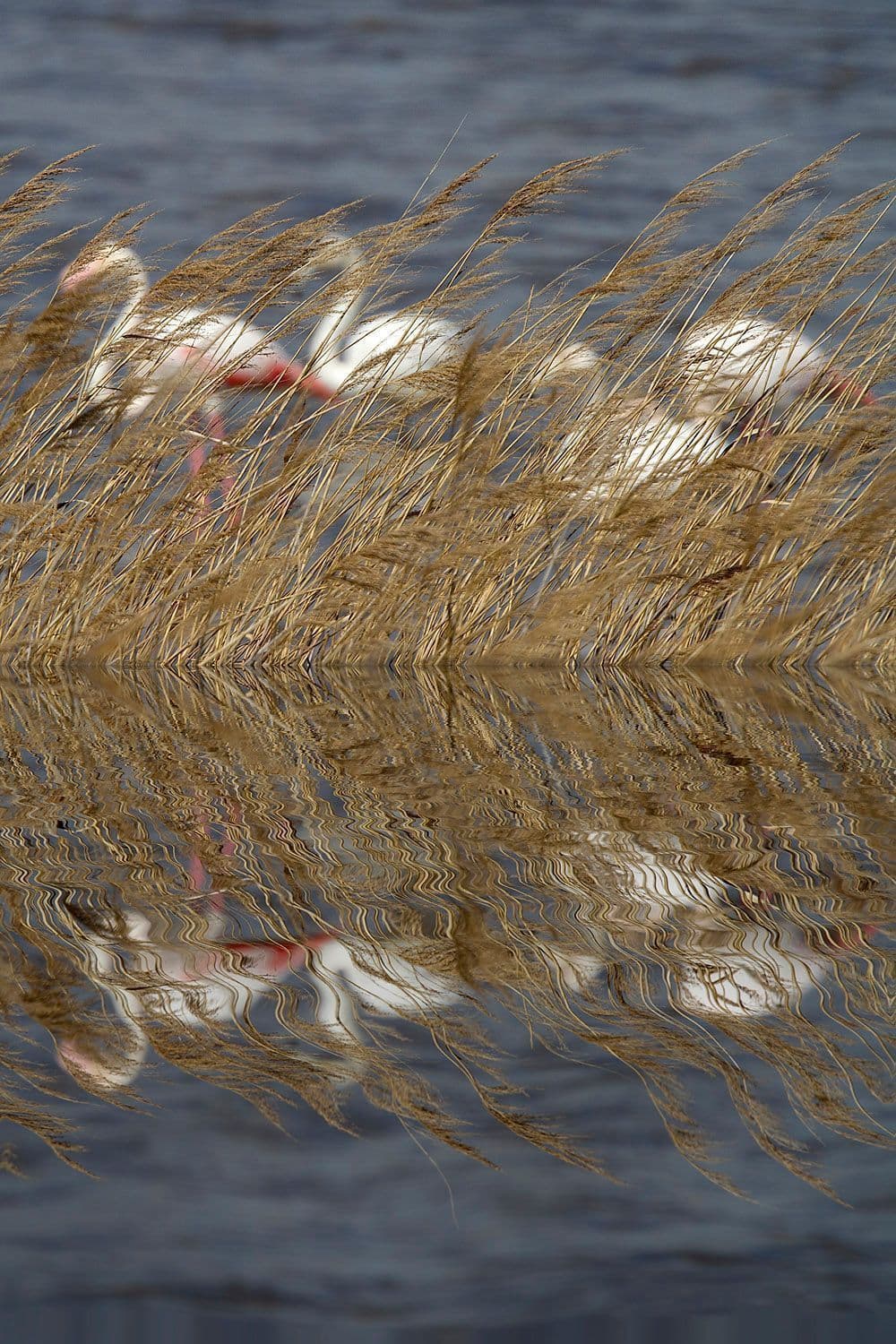
Wetland of extraordinary ecological value, classified as a ZEPA area, fundamental for the survival of aquatic birds and native species in danger of extinction.
Pucol Beach
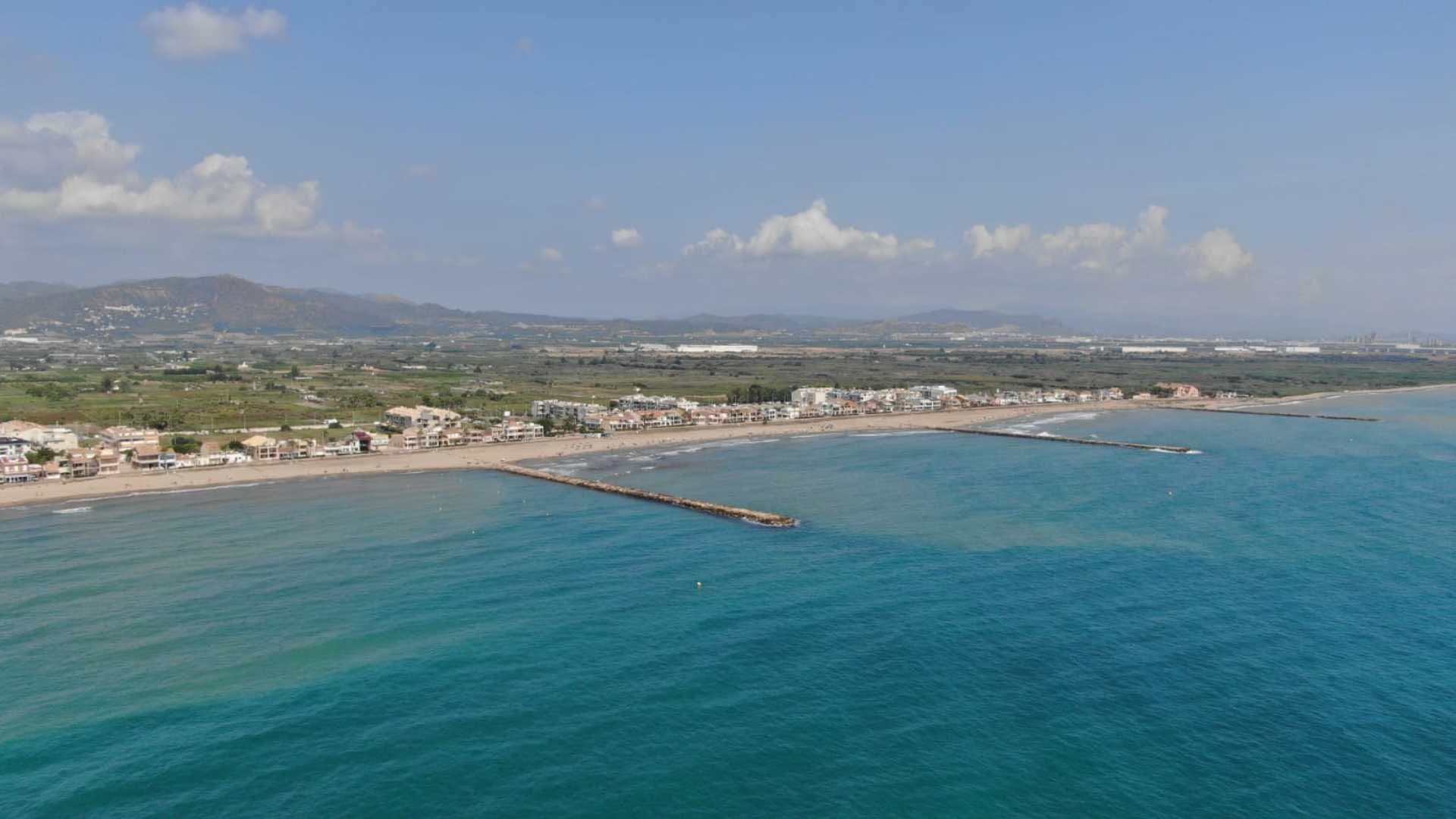
More than two kilometers of coastline awarded the Blue Flag, which stands out for its fine sand, calm waters and a pedestrian promenade ideal for family and accessible tourism.
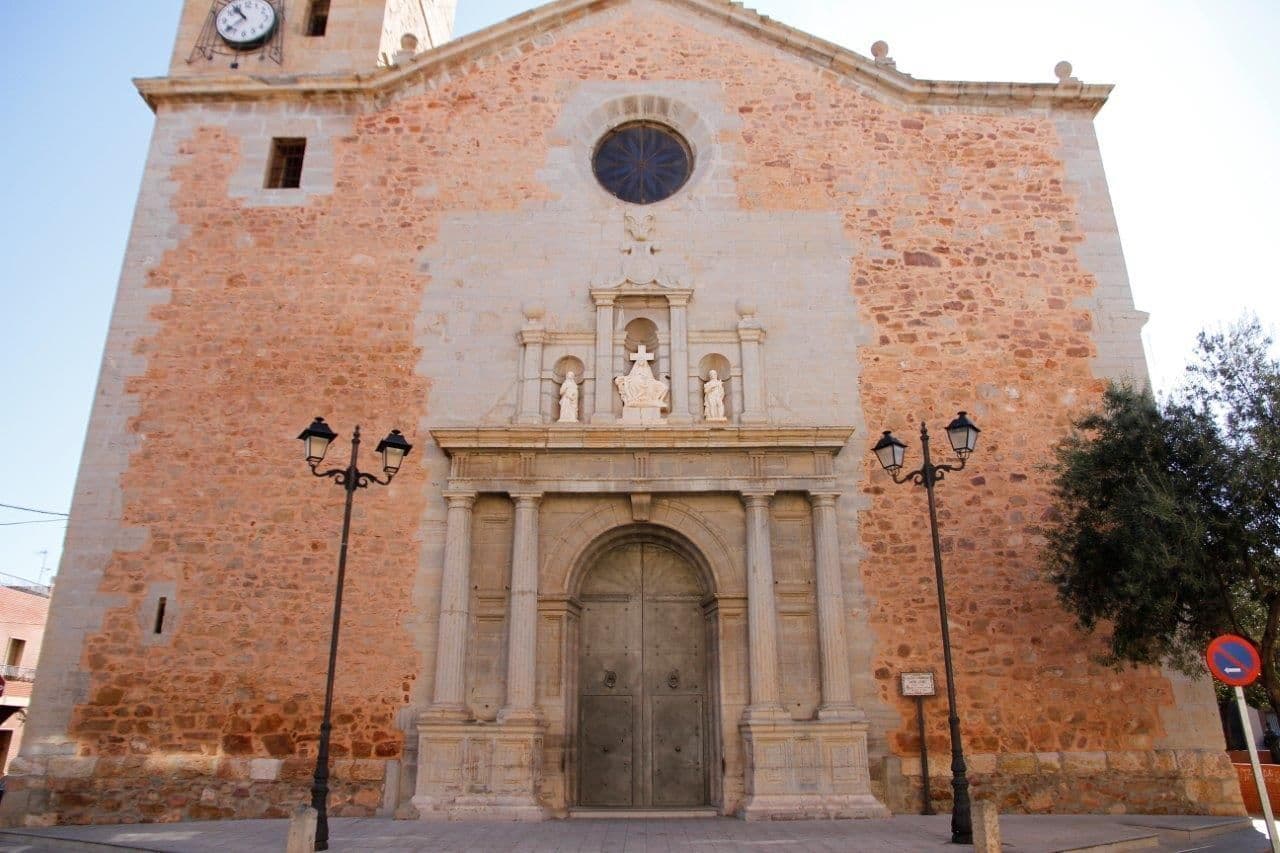
Church of Saints John
The nerve center of the town, where faith and architecture meet.
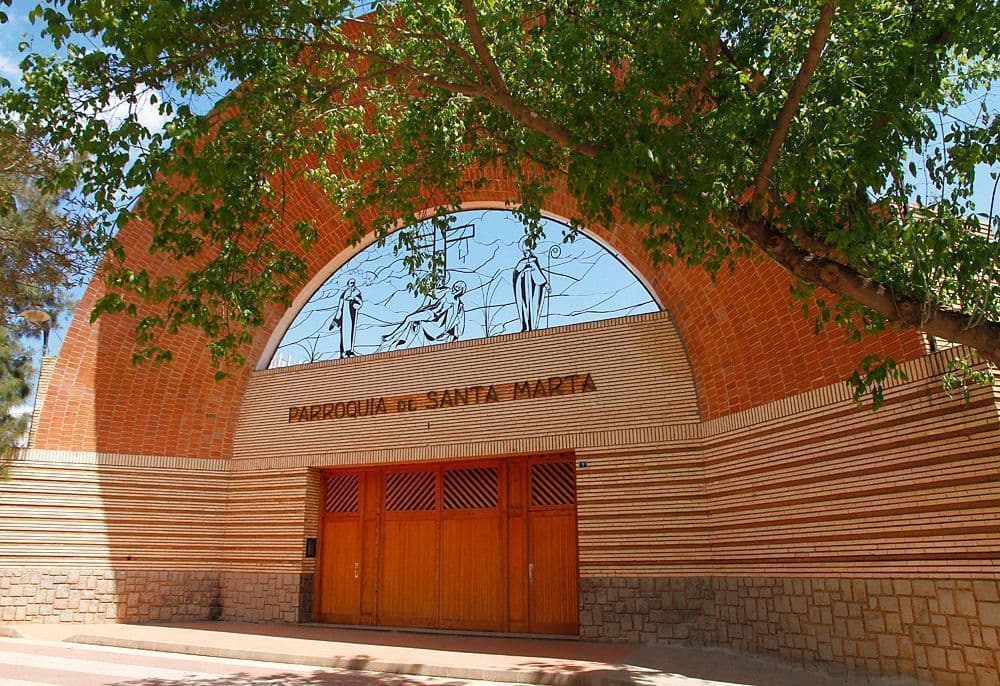
Church of Santa Marta
It is a modern-style church inaugurated in 1964. It is characterized by its functional design, typical of the final stage of the Second Vatican Council, where the use of natural light and the fact that it was built by the local parishioners themselves are particularly noteworthy.
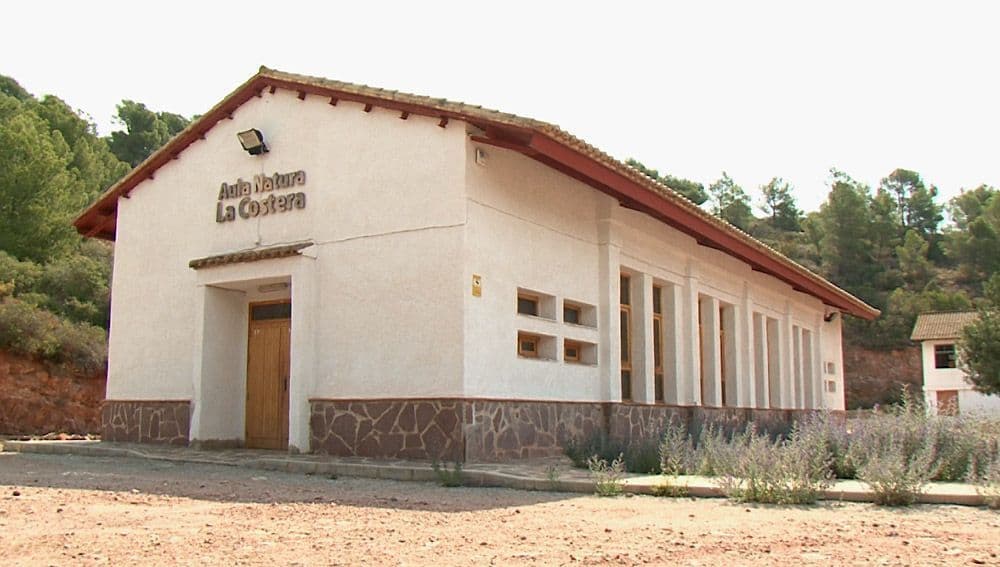
La Costera
A protected area of 517,245 m² that combines the recovery of Mediterranean biodiversity with environmental education infrastructure such as the Aula Natura.
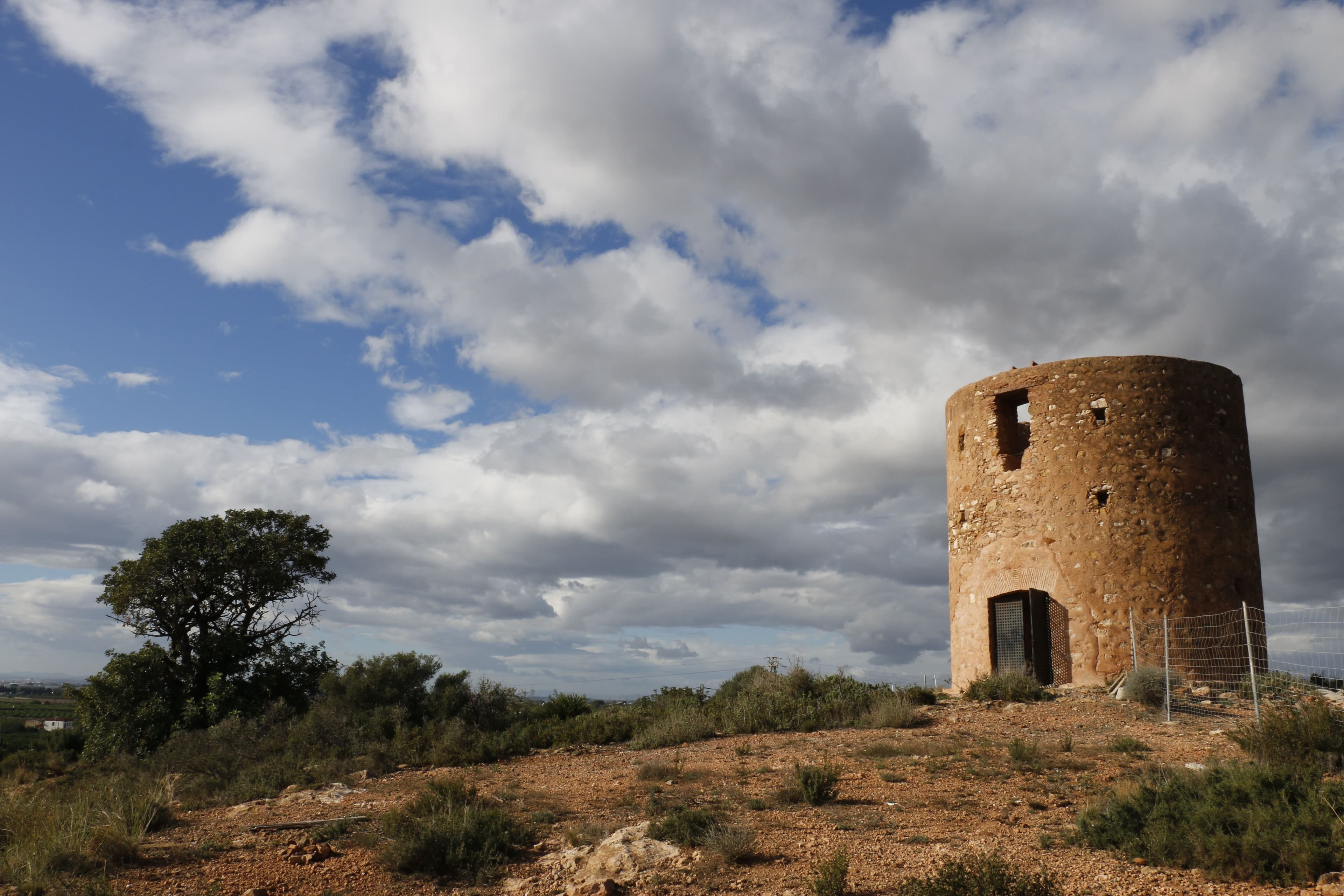
Molí de Vent
Old mill of Arab structure located on a strategic hill, offering one of the best panoramic views of Puçol and the Mediterranean coast.
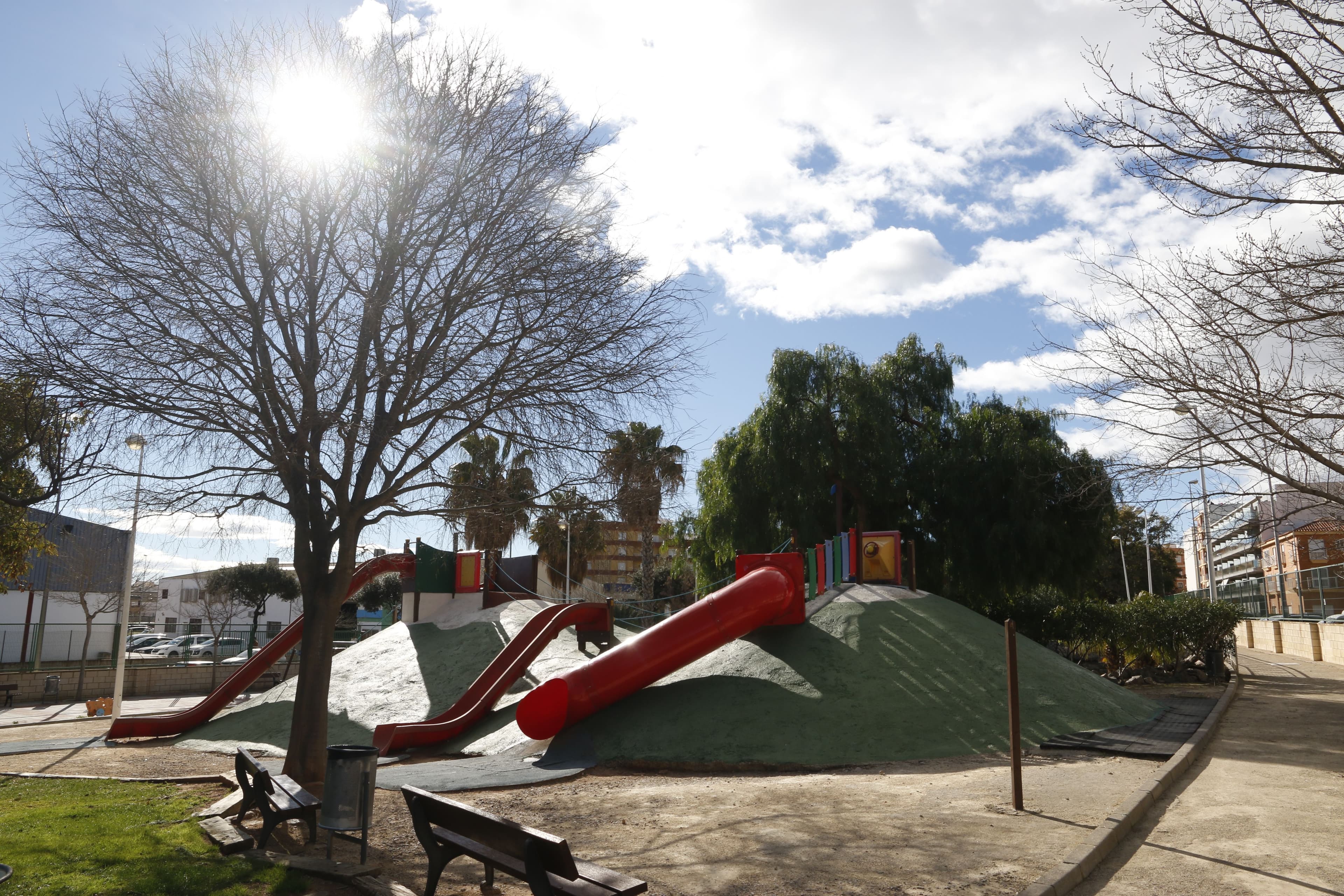
Ribelles Park
Inaugurated on May 25, 1999, it is named after the poet from Puçol, Josep Maria Ribelles i Llobat, and features multiple species of trees.
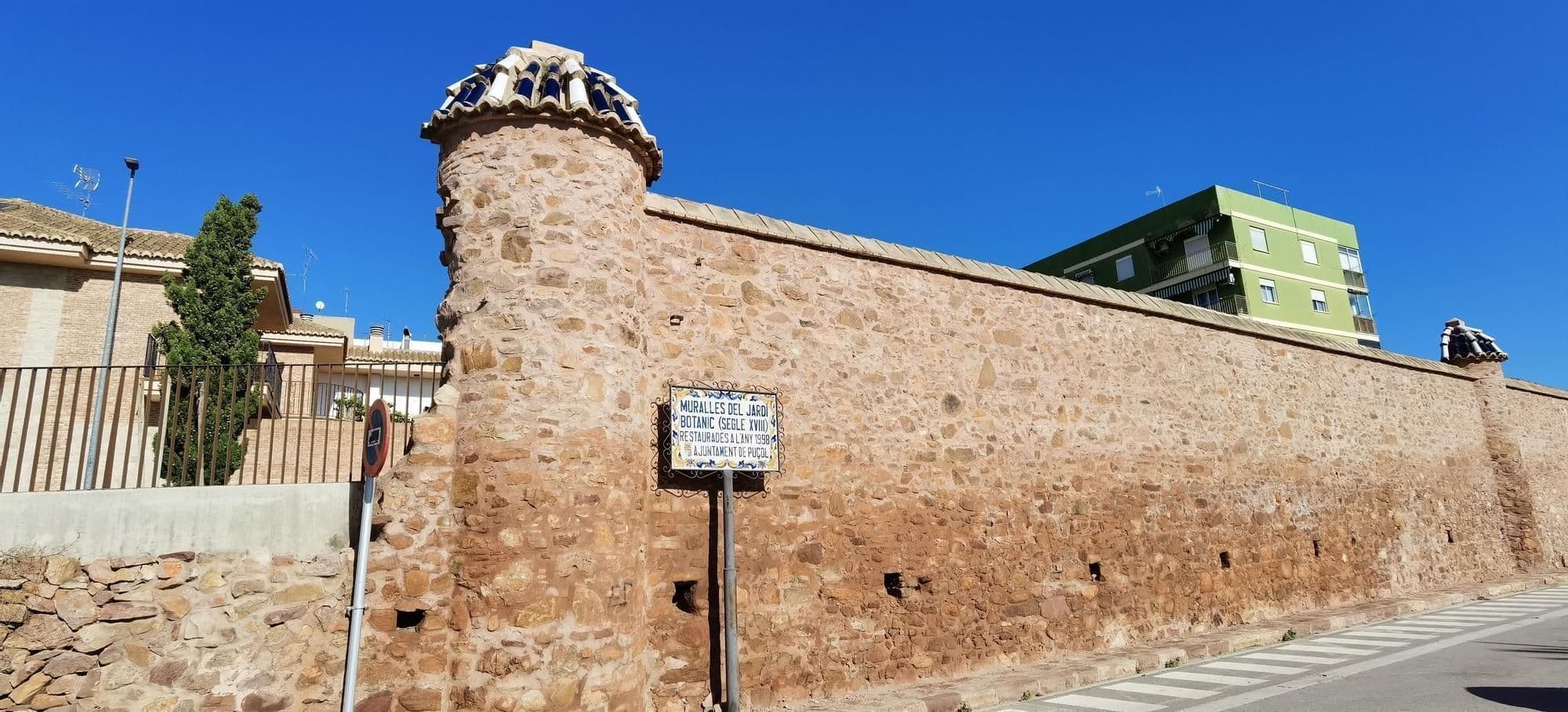
Botanical garden wall
Baroque remains of the old Archbishop's Palace that protected the first university botanical garden in Europe.
Routes
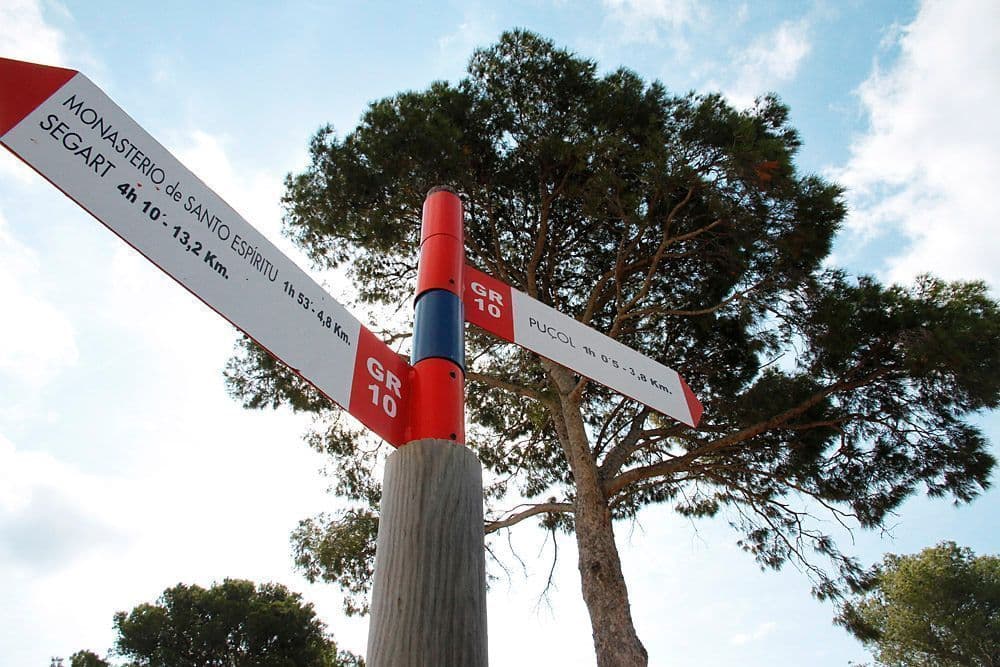
GR-10 long-distance trail
The longest trail on the Iberian Peninsula, linking the Mediterranean with the Atlantic. A trans-Iberian crossing that begins in the heart of our municipality.
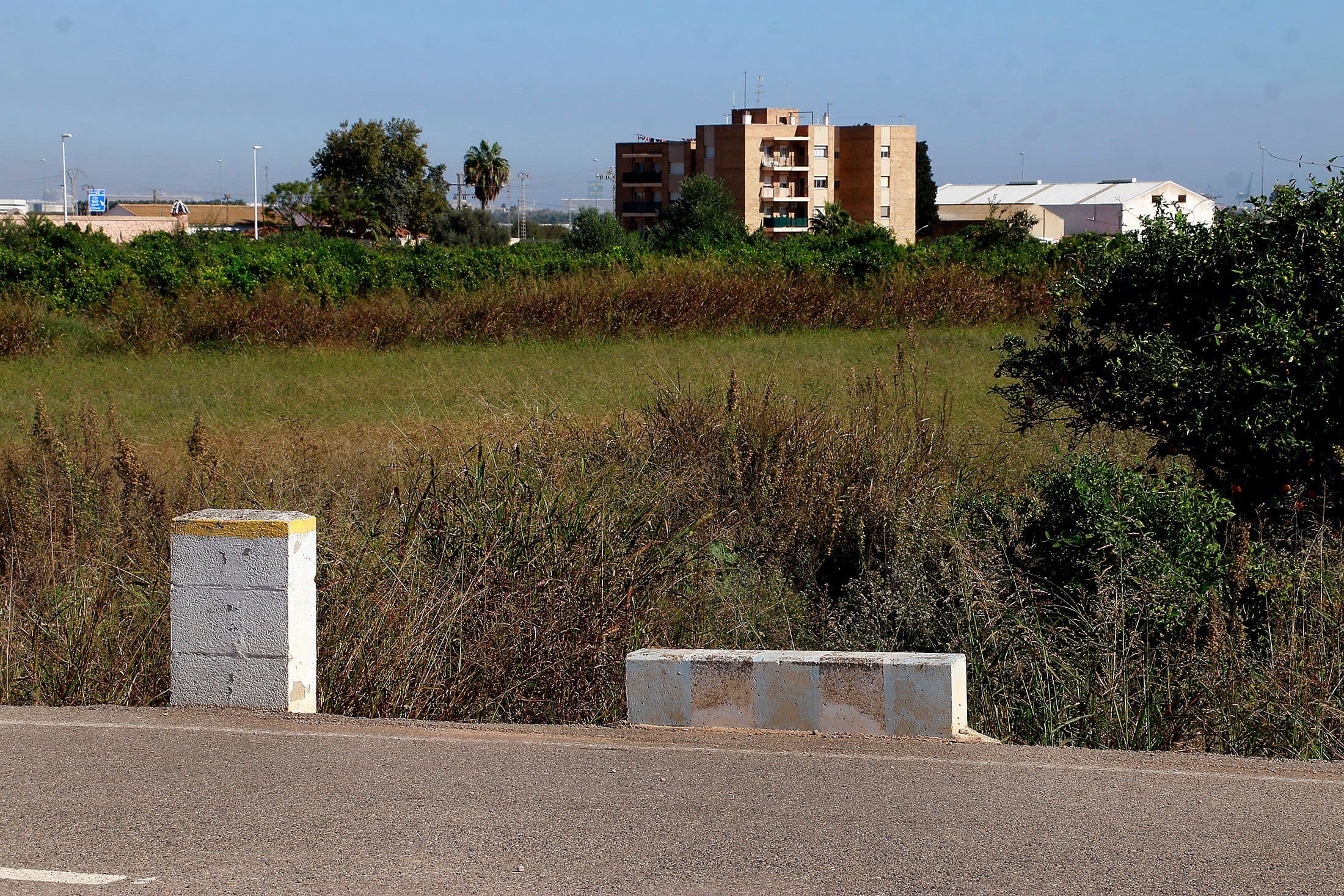
Via Augusta
The longest Roman road in Hispania. A cultural and scenic route that skirts the Mediterranean, linking the Pyrenees with Cádiz.
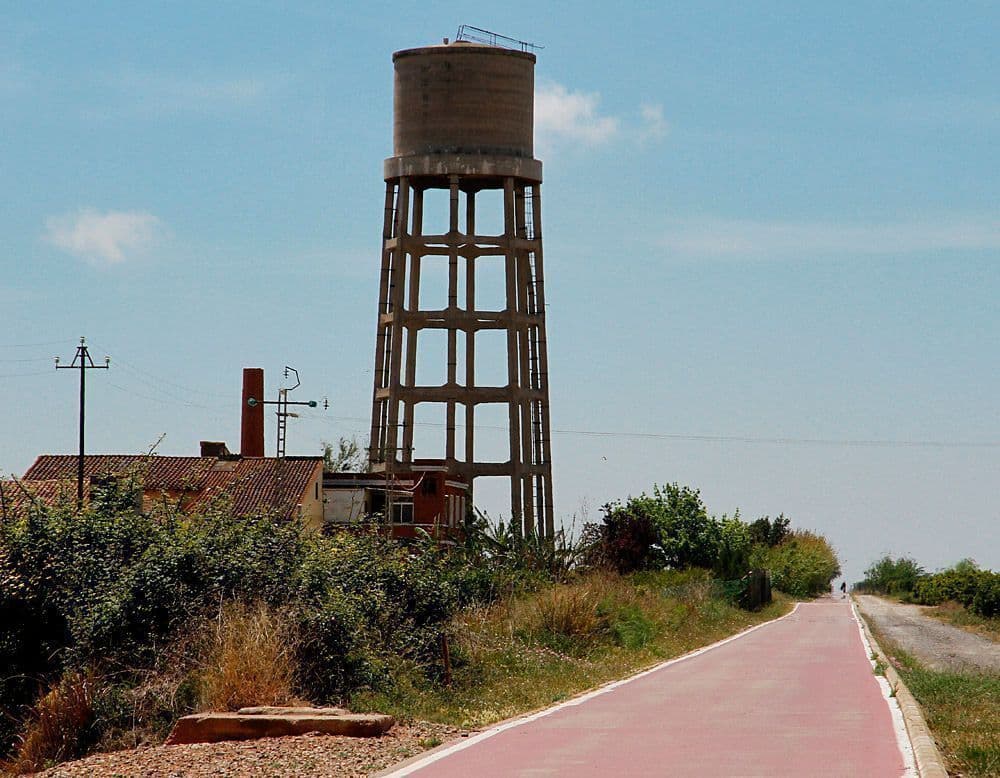
Green Way
A cycle and pedestrian path that follows the route of the old mining railway. A peaceful walk through orchards that connects Puçol with Valencia.
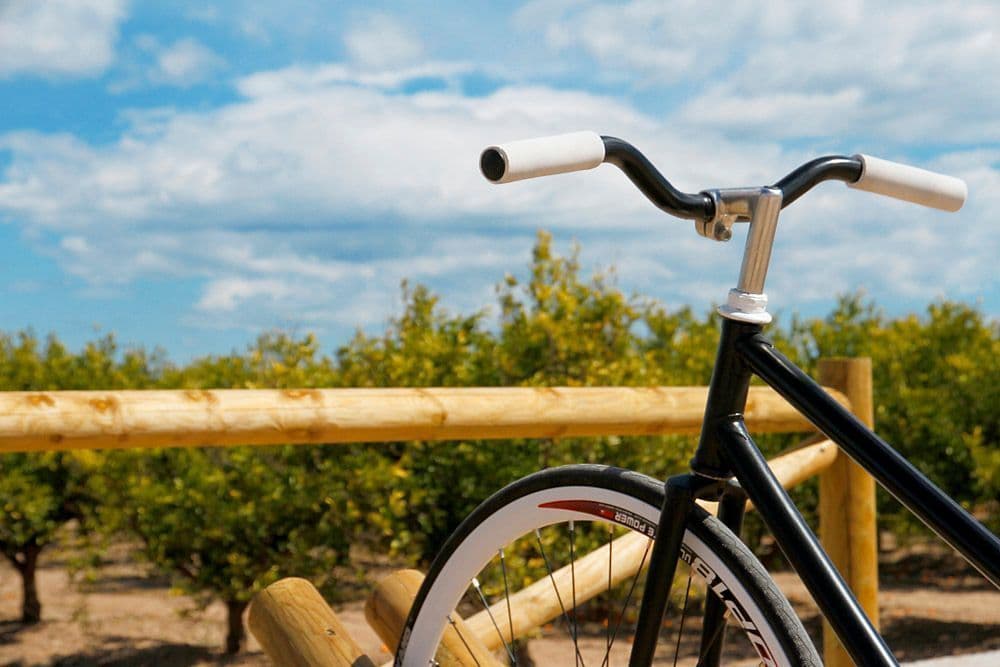
Seaside Walk
Pedestrian and cycling axis that connects the heart of the town with the breeze of the beach and the sea.
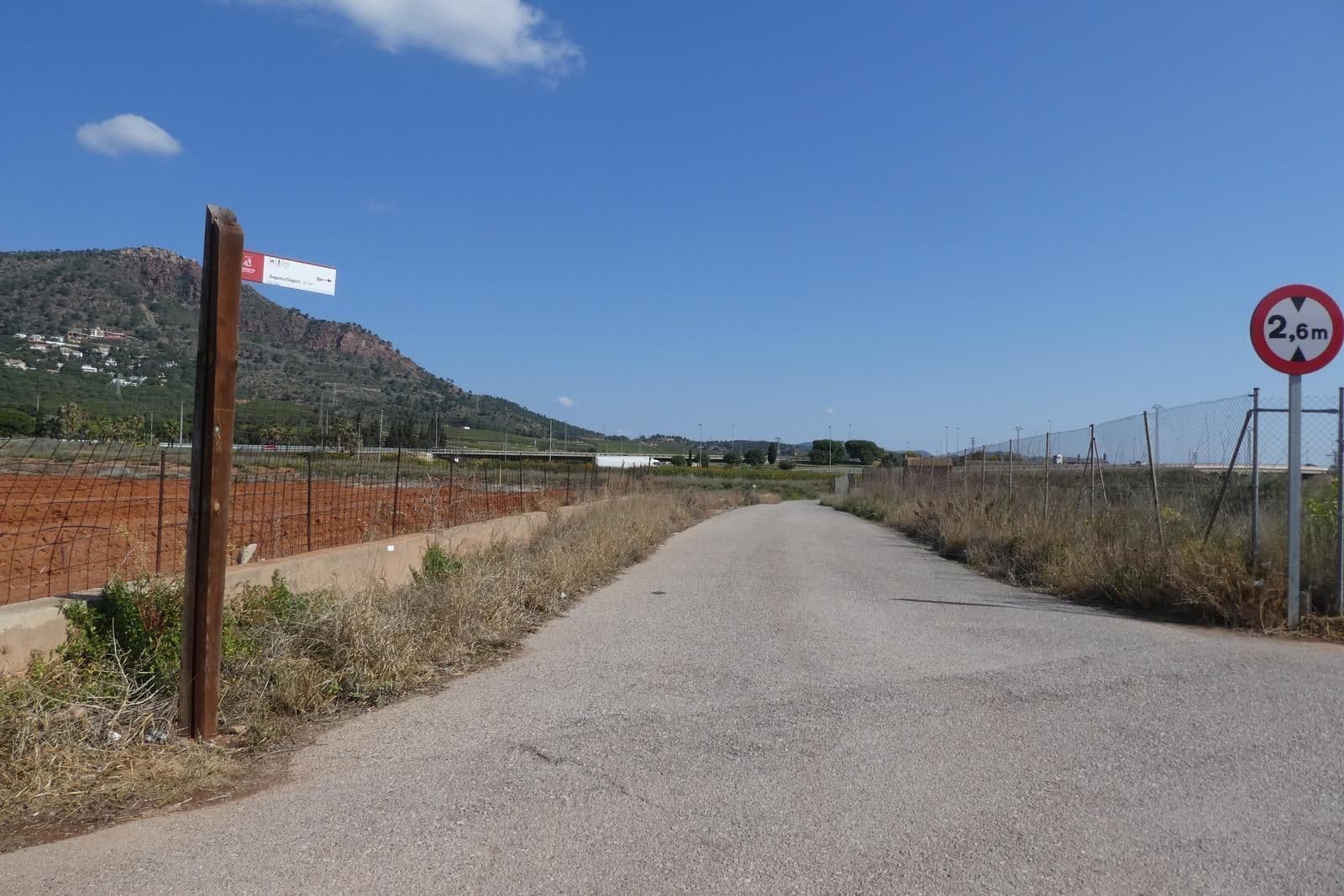
Route of El Cid
Historical-literary itinerary that follows in the footsteps of the Castilian knight Rodrigo Díaz de Vivar.
Services

Beach Parking
Large free parking area with direct access to the beach and promenade.
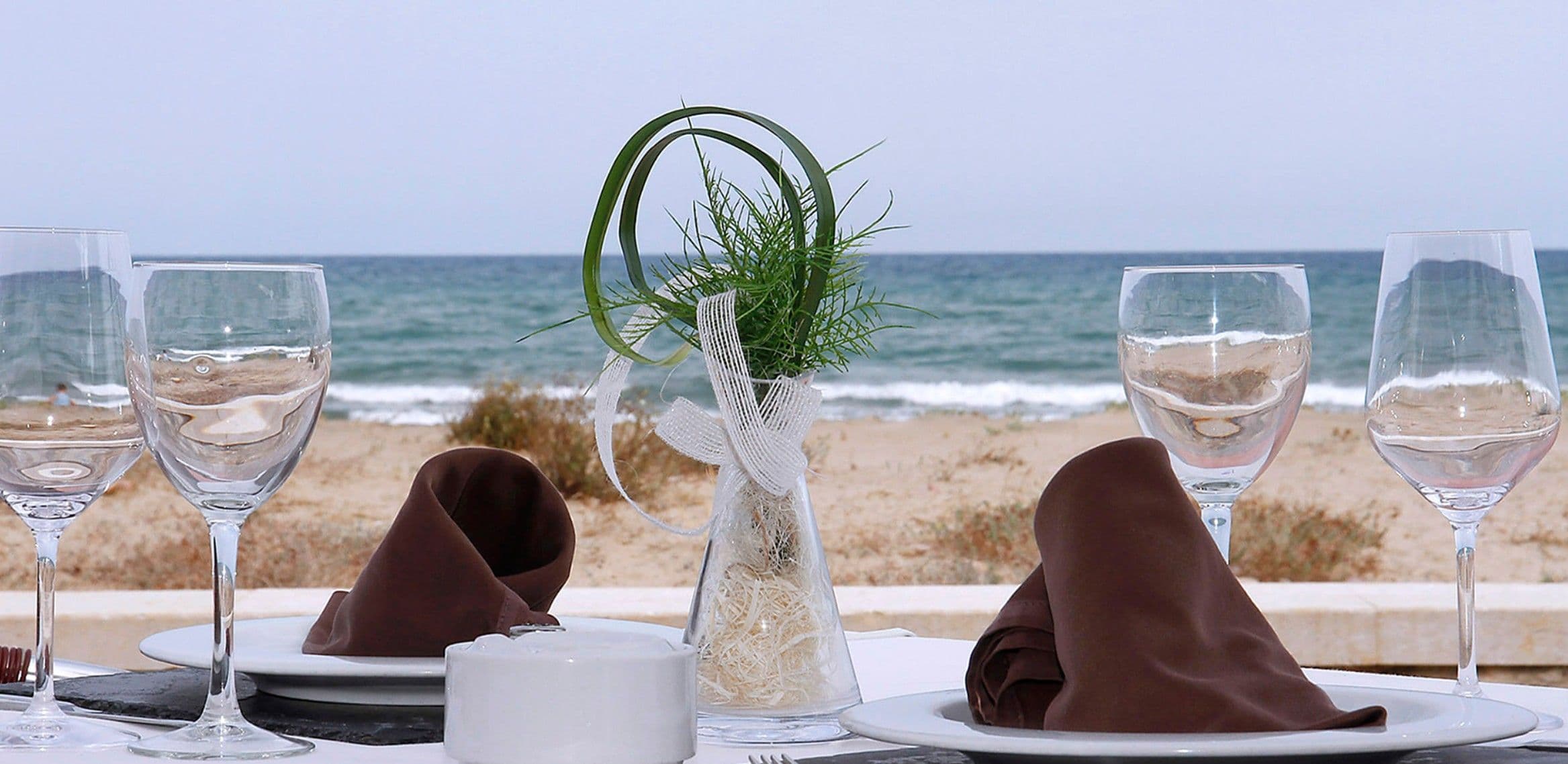
GALLI RESTAURANT
Galli is a Mediterranean restaurant where fresh produce, rice dishes, and traditional flavors take center stage. A welcoming, family-friendly space to enjoy classic cuisine by the sea.
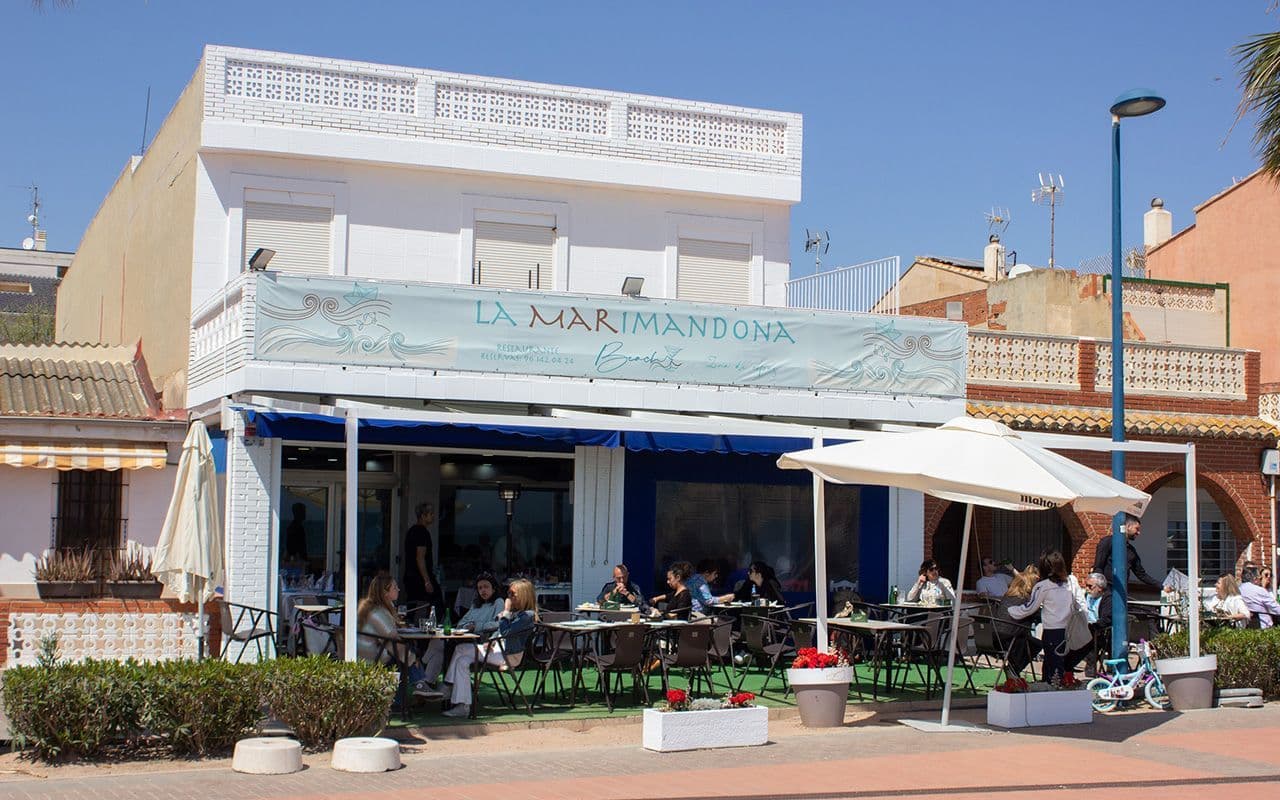
LA MARIMANDONA BEACH RESTAURANT
La Marimandona Beach offers a fresh and relaxed experience by the Mediterranean, with a fusion of Valencian and Italian cuisine, and in a relaxed atmosphere with sea views as the perfect setting to share great moments.
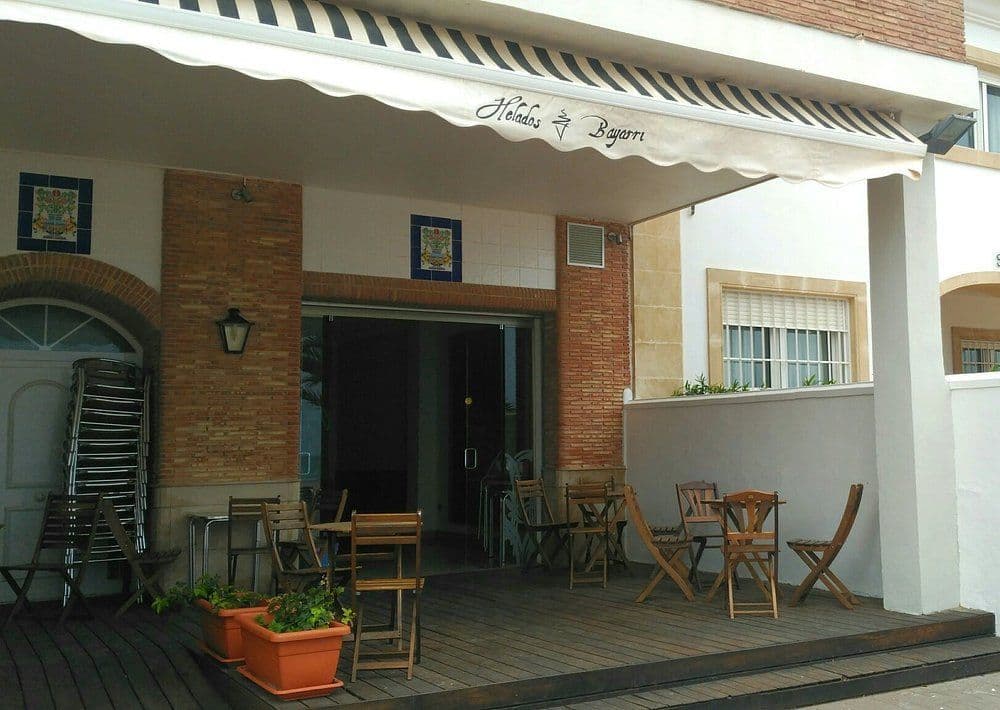
BAYARRI ICE CREAM
Helados Bayarri is an ice cream shop designed to enjoy the most refreshing flavors by the sea, with horchata and a wide variety of ice creams in an environment perfect for sharing moments with family or friends.
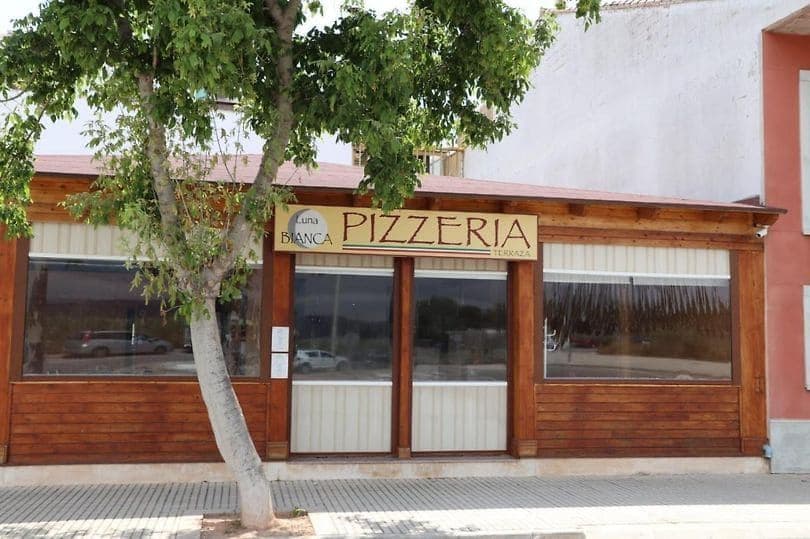
LUNA BIANCA PIZZERIA
Luna Bianca is a cozy pizzeria with a friendly, family atmosphere. Artisan pizzas, pastas, and authentic flavors make every visit a memorable experience to enjoy and share.
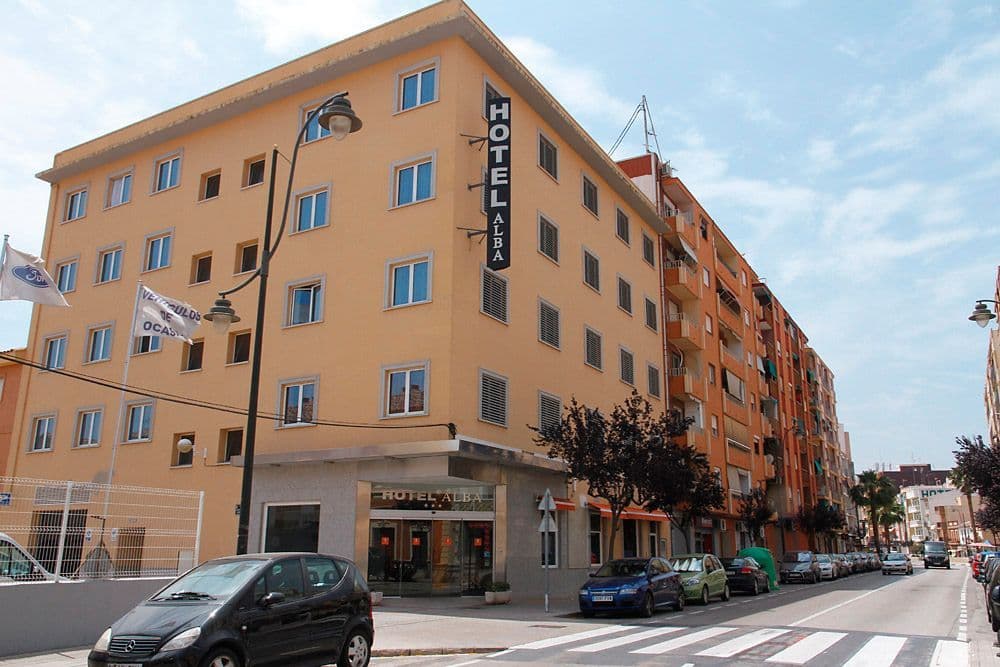
Hotel Alba
Modern and functional hotel, ideal for business stays or getaways near Valencia.
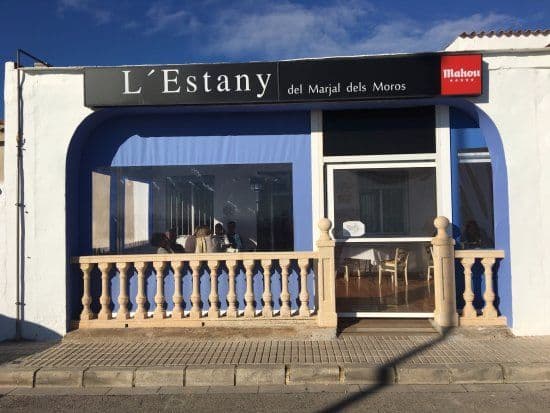
RESTAURANT ESTANY of the Marjal dels Moros
L’Estany is a restaurant that offers an experience linked to the rhythms of the sea and Mediterranean coastal culture. In a rustic setting, surrounded by nature, its menu features rice dishes, fresh fish, and grilled meats, with a Valencian essence alongside the Marjal dels Moros wetlands.
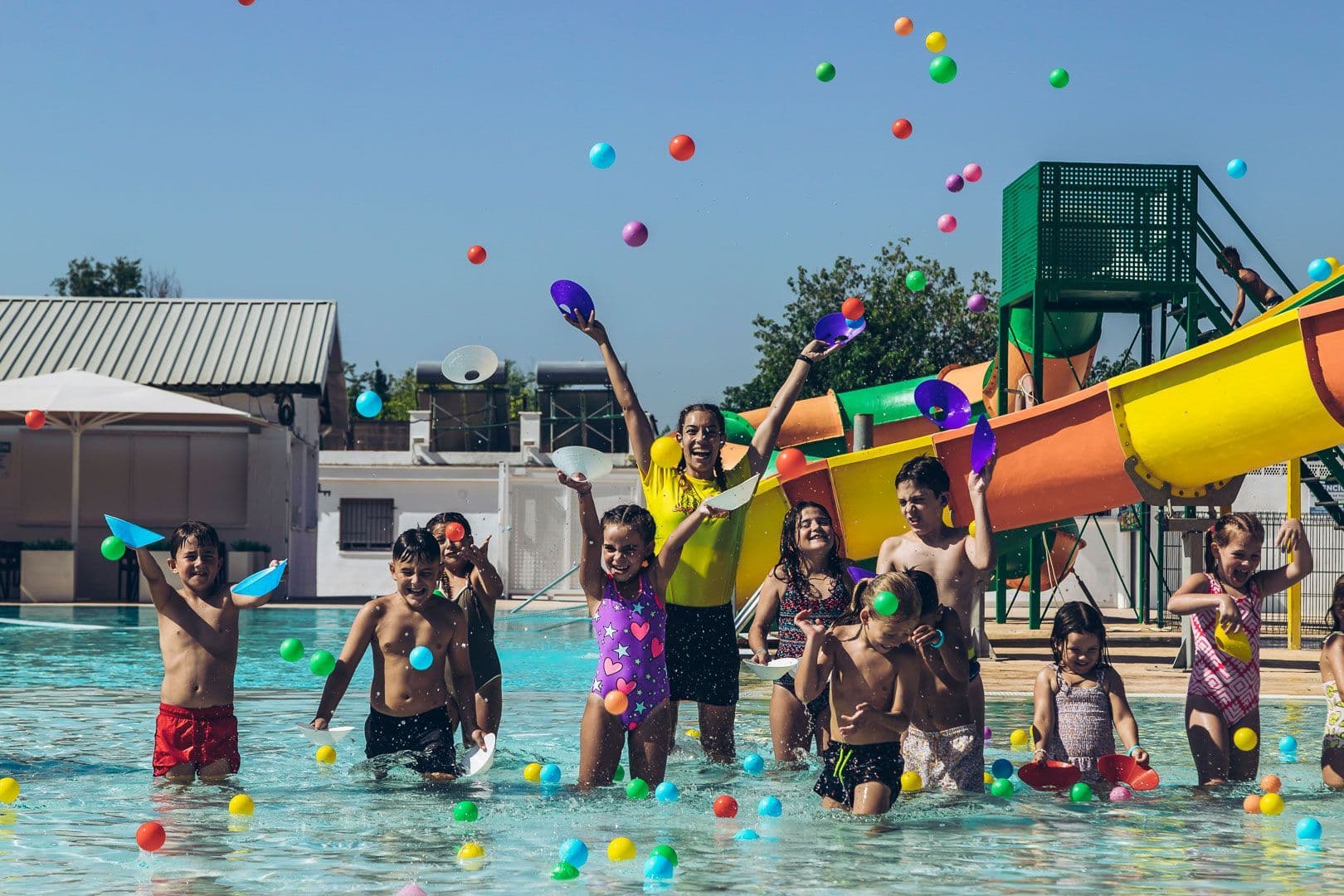
Camping Puçol
Quiet and welcoming campsite with a family atmosphere next to the Mediterranean Sea.
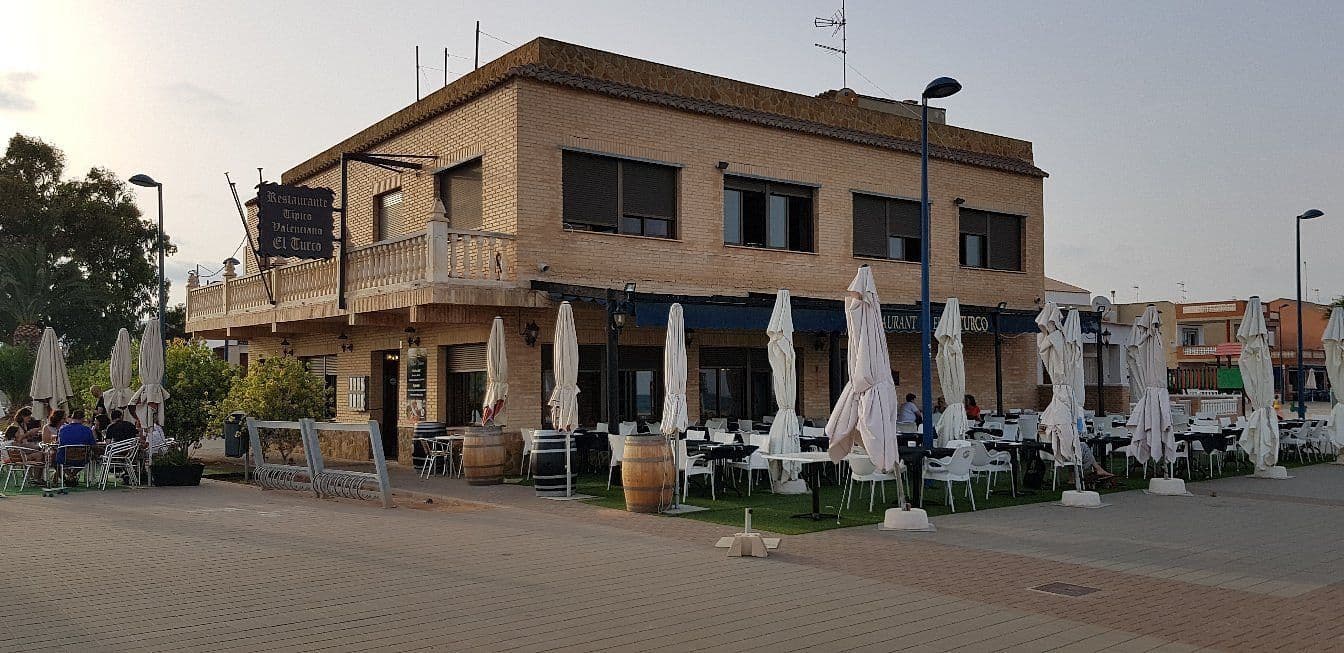
EL TURKO RESTAURANT
A restaurant with a Mediterranean essence where you can enjoy rice dishes, tapas, and fish from traditional Valencian cuisine in a friendly and welcoming atmosphere. El Turco combines a warm, family-friendly atmosphere with authentic flavors overlooking the sea in Puçol.
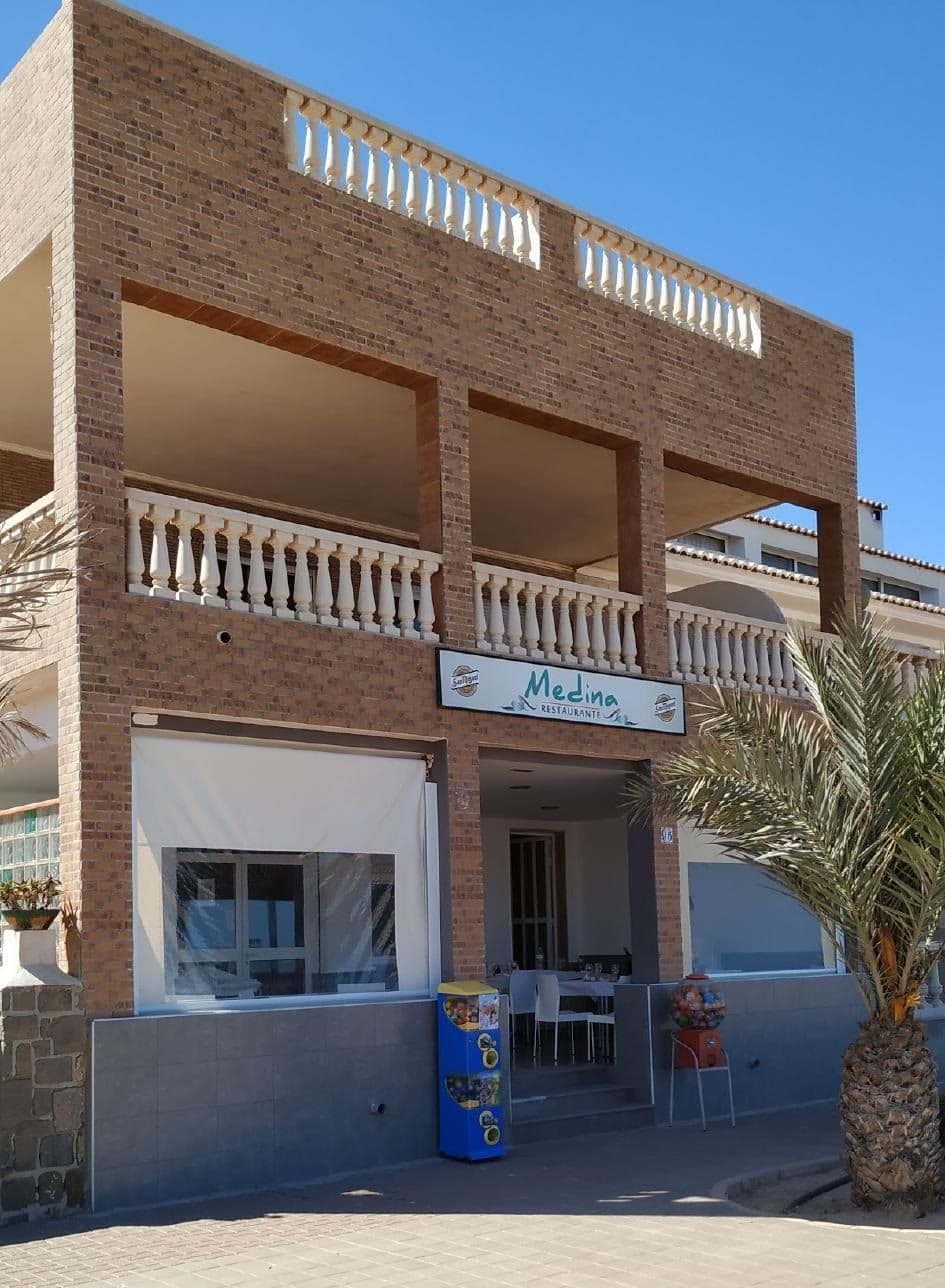
MEDINA RESTAURANT-BAR
Bar Medina is a traditional meeting point on Puçol beach, ideal for enjoying tapas, meals and a friendly and relaxed atmosphere at any time of day.
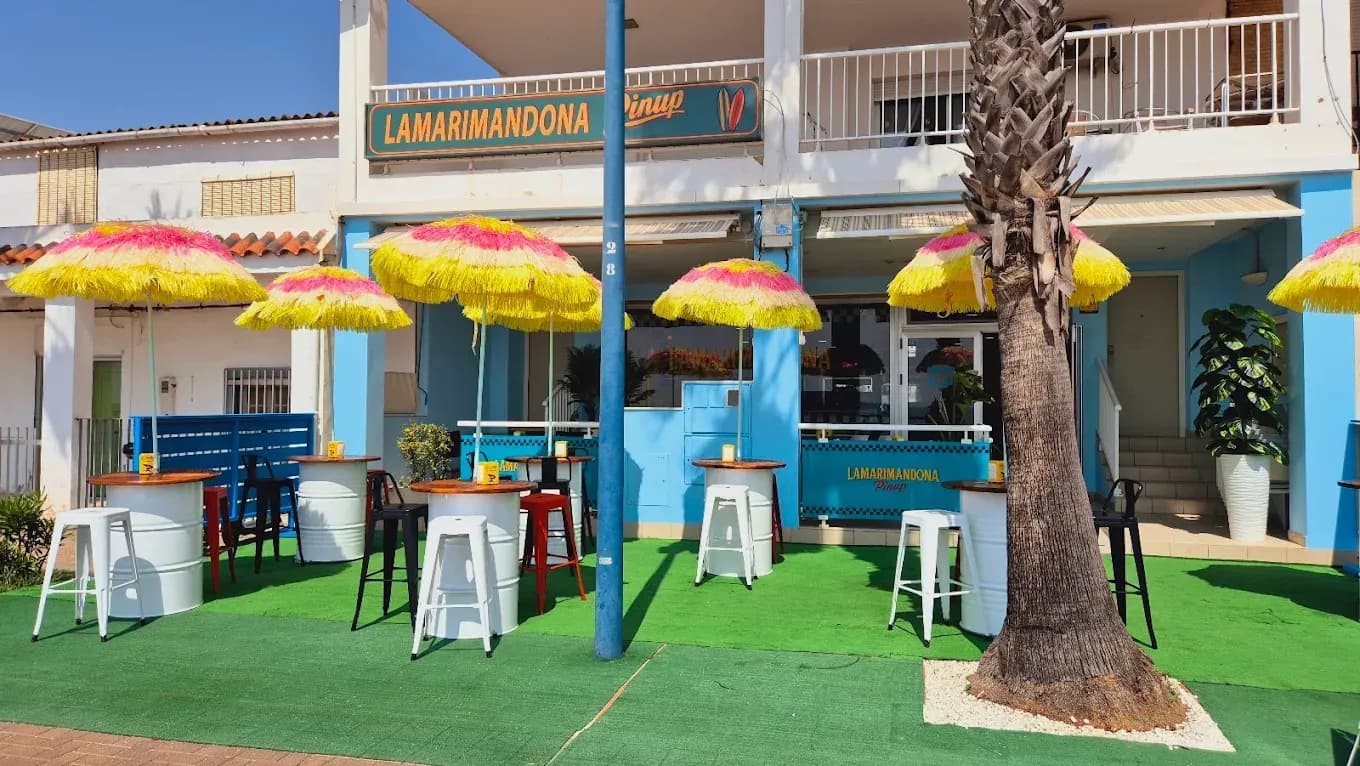
LA MARIMANDONA PINUP RESTAURANT
La Marimandona PinUp combines style and fun in its retro decor and musical ambiance. A place designed to enjoy great burgers and a variety of options from other culinary cultures.
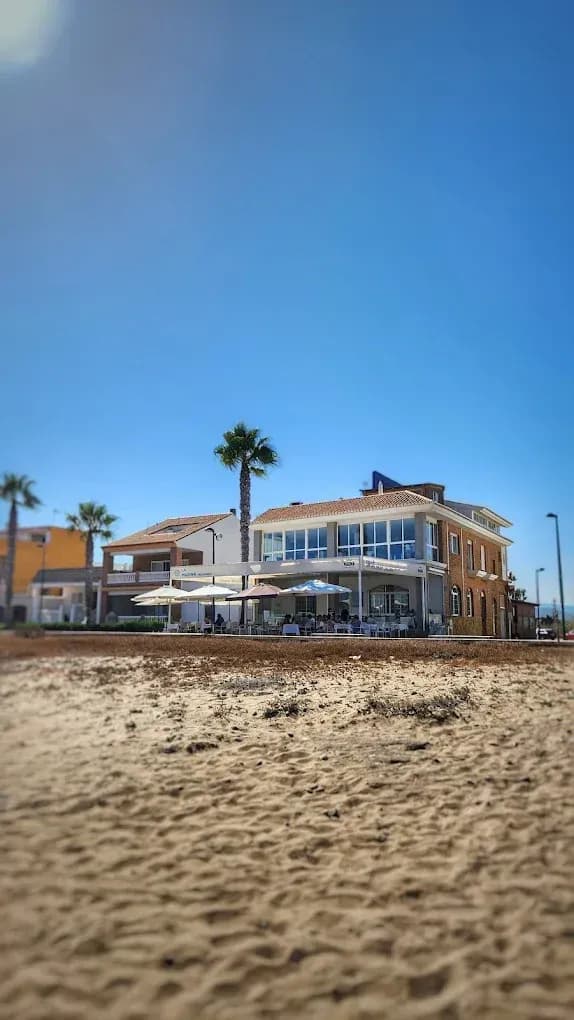
LA MARINA RESTAURANT
La Marina is a renowned restaurant on Puçol beach, specializing in Mediterranean cuisine, rice dishes, and fresh seafood. It's a place designed for enjoying tradition, flavor, and tranquility overlooking the Mediterranean.