


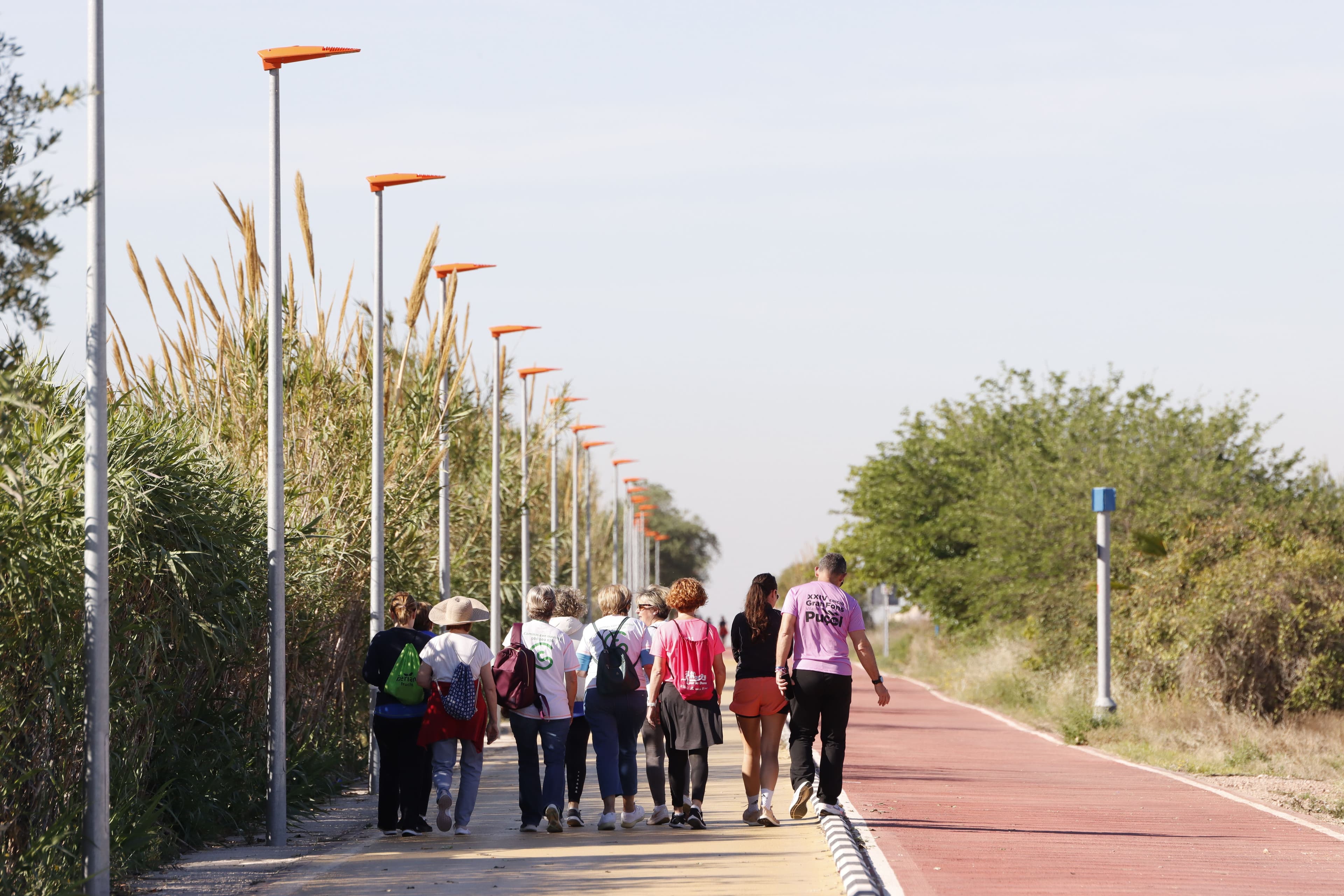
Excursions
Enjoy our excursions
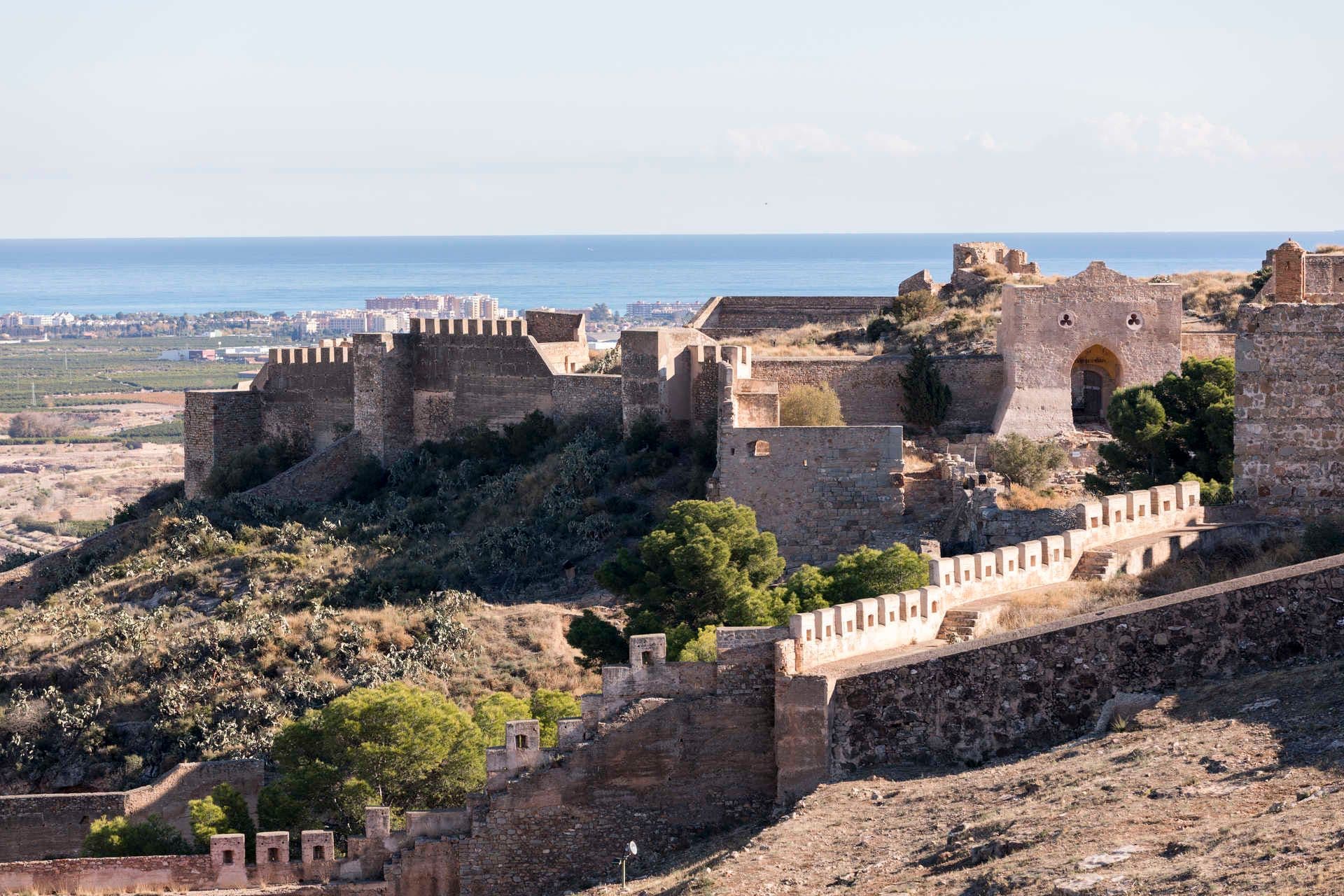
Roman castle of Sagunto
The castle contains few remains of Roman origin and is a mosaic of cultures and civilizations (Iberians, Romans, Visigoths, Arabs). The fortress was used by French troops during the War of the Spanish Succession at the beginning of the 19th century. It is divided into seven independent squares or enclosures: Almenara Square, Plaza de Armas, Plaza de la Conejera, Plaza de la Ciudadela, Plaza Dos de Mayo, Plaza de San Fernando, and Plaza de Estudiantes.
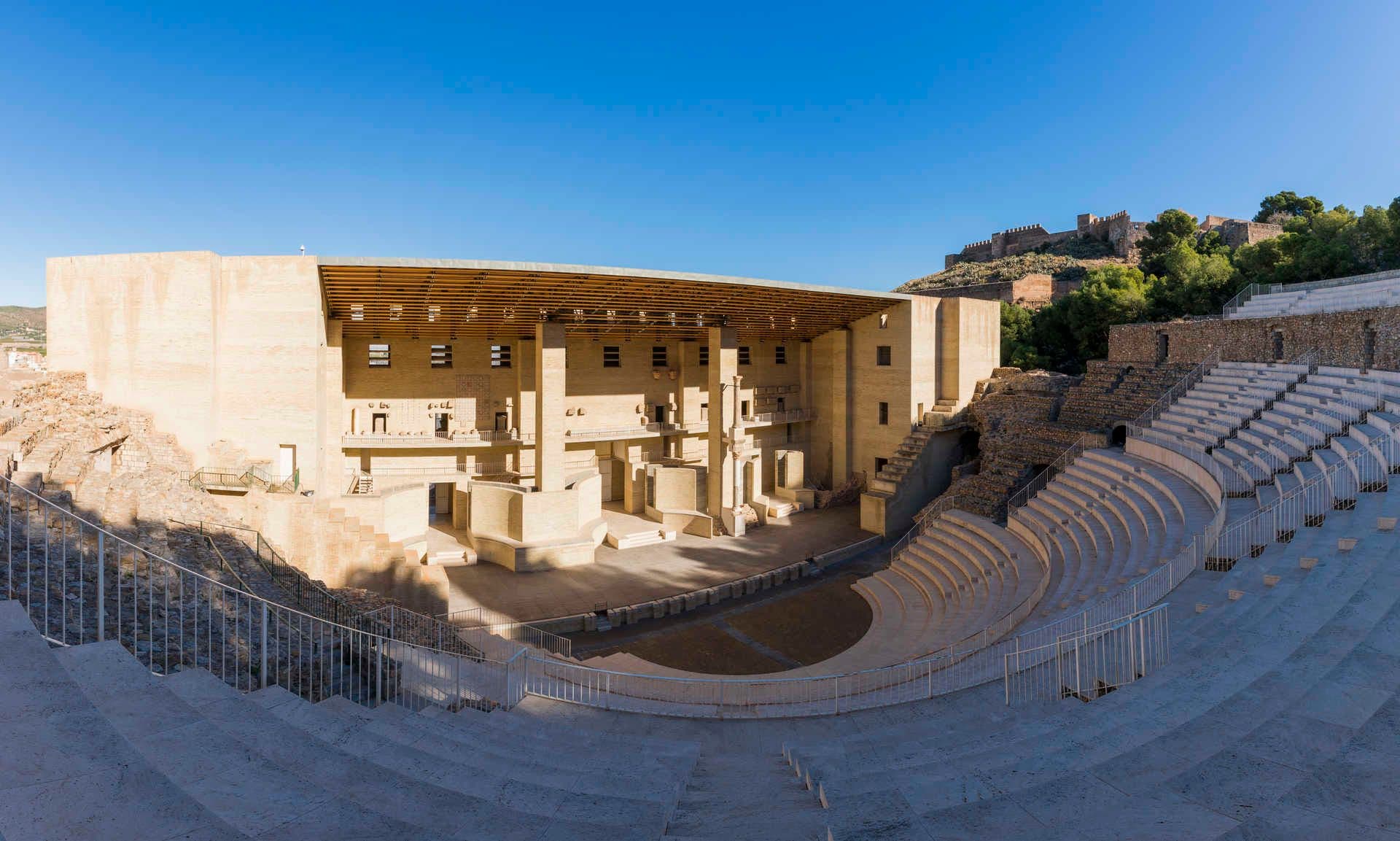
Roman Theatre
The Roman theatre of Sagunto dates from the 1st century (50 AD) and was the first to be declared a national monument in Spain (1896). It was built on a hillside overlooking the city of Sagunto.
In Spain, it is the only one of the eleven theaters known today that preserved enough visible structural elements from antiquity.
It has a semicircular shape with a capacity for eight thousand spectators. The stones from the seating were used in the construction of the castle and some houses. An archaeological museum houses the objects found in the excavations. The Roman theater was built taking advantage of a natural depression in the terrain, resulting in impressive acoustics for open-air performances.
Recently, a rehabilitation project was carried out that has given the stage and seating area a unified image, meeting the appropriate conditions for theatrical and cultural events.
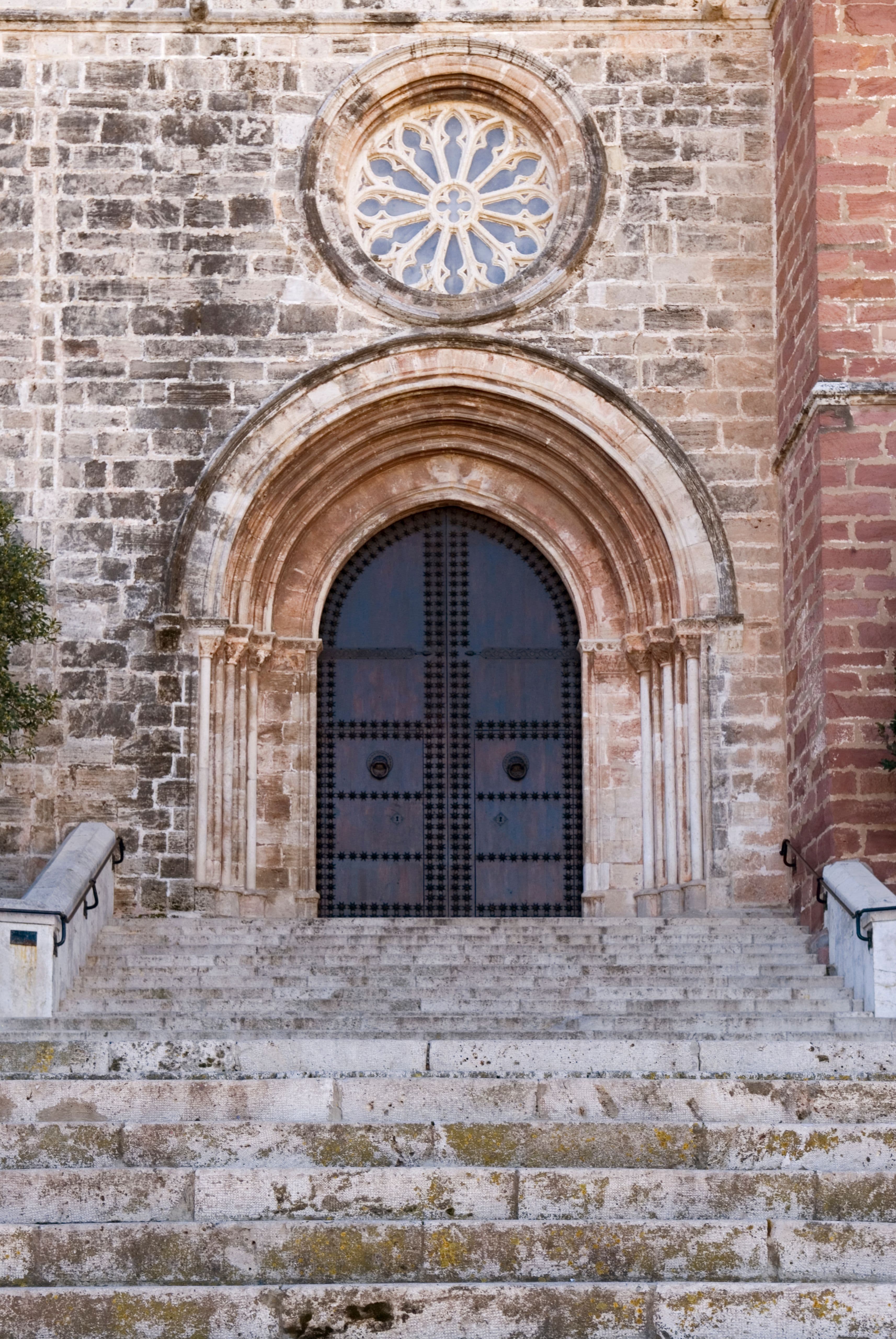
Royal Monastery of El Puig
It is located in the municipality of El Puig, in the l’Horta Nord region of the Valencian Community, just 14 km north of the city of Valencia. Founded by King James I the Conqueror in 1240, its historical significance stems from the fact that in 1237 it was the site of the decisive battle for the conquest of Valencia, the Battle of El Puig. For centuries, the Virgin of El Puig was considered the patron saint of the Kingdom of Valencia.
San José Grottoes (La Vall d'Uixó)
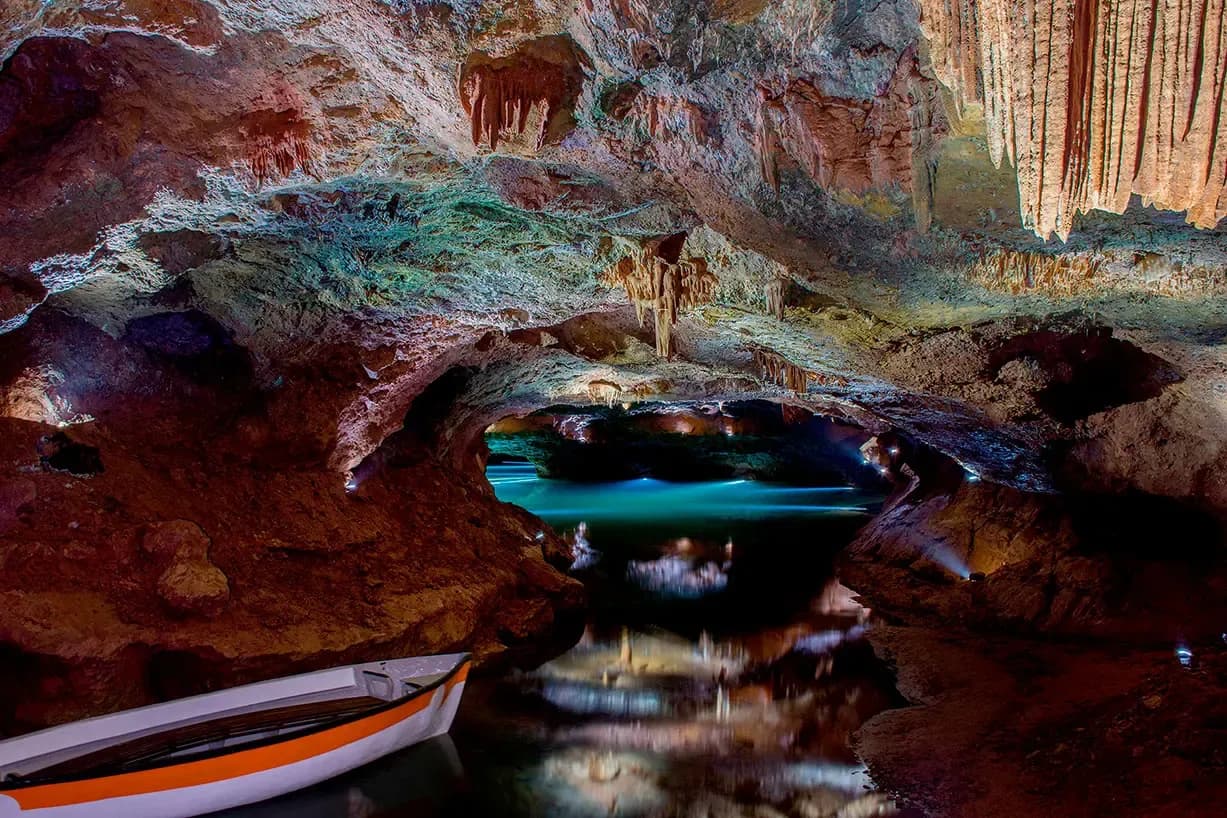
The Underground River of the Caves of San José, located in the natural area of the same name, is a natural cave located in the municipality of La Vall d'Uixó, province of Castellón.
The cave represents an active spring that developed in limestone during the Middle Triassic period, but despite numerous visits by speleologists, the river's origin and the cave's end remain unknown. The cave's temperature remains a constant 20ºC year-round, and with its current length of 2,750 meters, it is the longest cave in the province of Castellón and the second longest in the Valencian Community. It is the longest navigable underground river in Europe.
City of Arts and Sciences (Valencia)
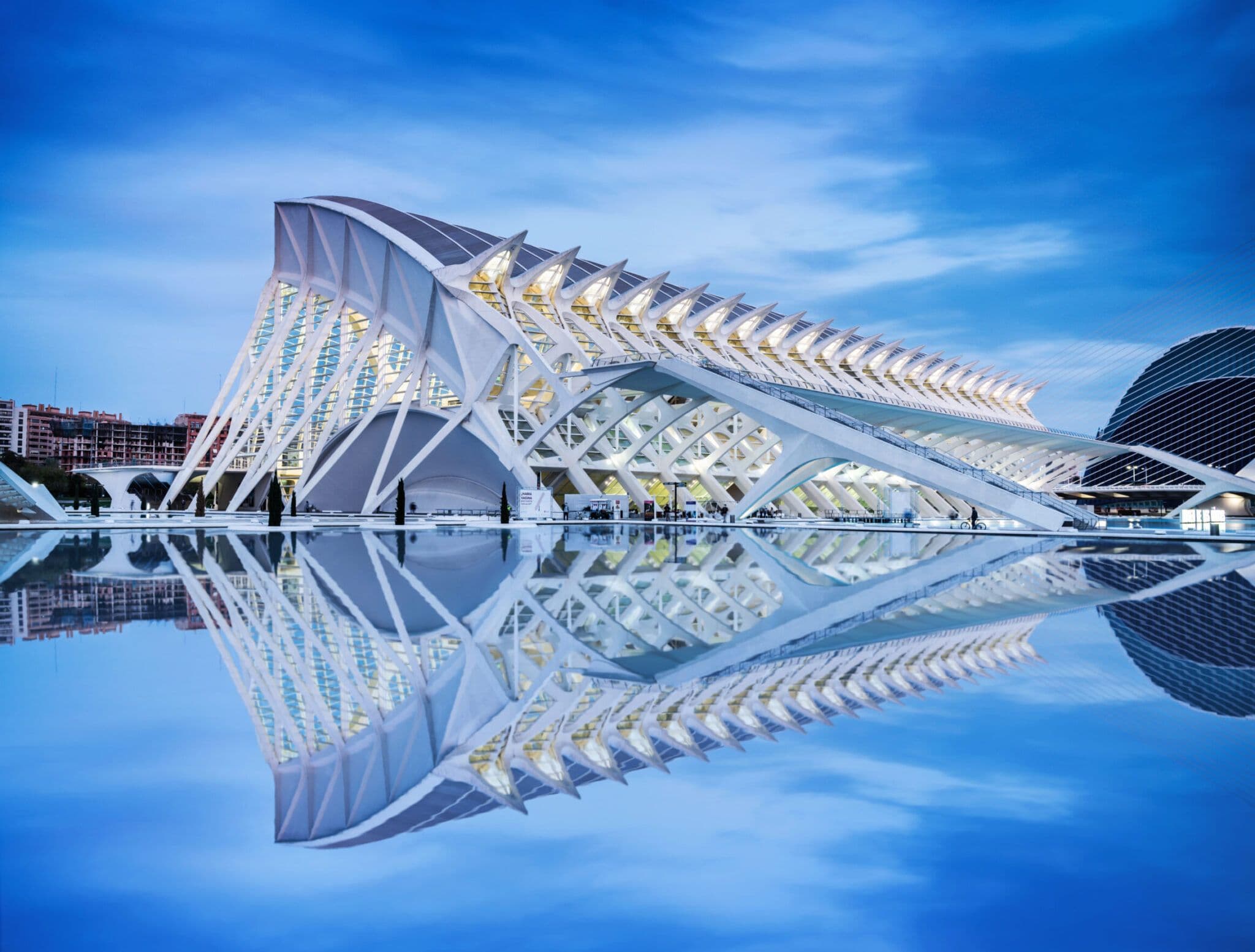
The City of Arts and Sciences is an architectural, cultural, and entertainment complex in the city of Valencia. The buildings that comprise it are, in order of inauguration:
L'Hemisfèric:Shaped like an eye. It houses an IMAX cinema, planetarium, and laser projection room. It has an approximate surface area of 13,000 m².
The Prince Felipe Science Museum:Shaped like a dinosaur skeleton, it's an interactive science museum. It occupies approximately 40,000 m² spread over three floors.
L'Umbracle:A landscaped promenade featuring native plant species from the Valencian Community (rockrose, mastic, rosemary, lavender, honeysuckle, bougainvillea, palm trees, etc.) covered by floating arches offering views of the entire City of Arts and Sciences complex. It also houses the Sculpture Walk, an open-air art gallery showcasing sculptures by contemporary artists.
The Oceanographic:It is the largest oceanographic aquarium in Europe, covering 110,000 m² and containing 42 million liters of water. Its water lily-shaped roof is the work of Valencian architect Adrián Peláez Coronado.
Queen Sofia Palace of Arts:It is dedicated to music and the performing arts. It has four large halls: a Main Hall, a Lecture Hall, an Amphitheater, and a Chamber Theater. It also has an Exhibition Hall.
The Assut de l'Or Bridge:It connects the southern ring road with Menorca Street, and its 125-meter-high pylon is the highest point in the city.
The Agora:A covered square where concerts and sporting events are held, such as the new Valencian Community Tennis Grand Prix.
The Silk Exchange and the Central Market (Valencia)
The Silk Exchange (Lonja de la Seda) of Valencia, also known as the Merchants' Exchange, is a masterpiece of Valencian Gothic architecture located in the historic center of Valencia. Declared a World Heritage Site by UNESCO, it stands at number 31 Plaza del Mercado, opposite the Church of San Juan del Hospital and the Central Market of Valencia.
It was built between 1482 and 1548, and its first builder was Pere Compte between the years 1483 and 1498 based on the model of the Lonja of Palma de Mallorca, becoming an emblematic building of the wealth of the Valencian golden age (15th century) and a demonstration of the commercial revolution during the Late Middle Ages, of the social development and the prestige achieved by the Valencian bourgeoisie.
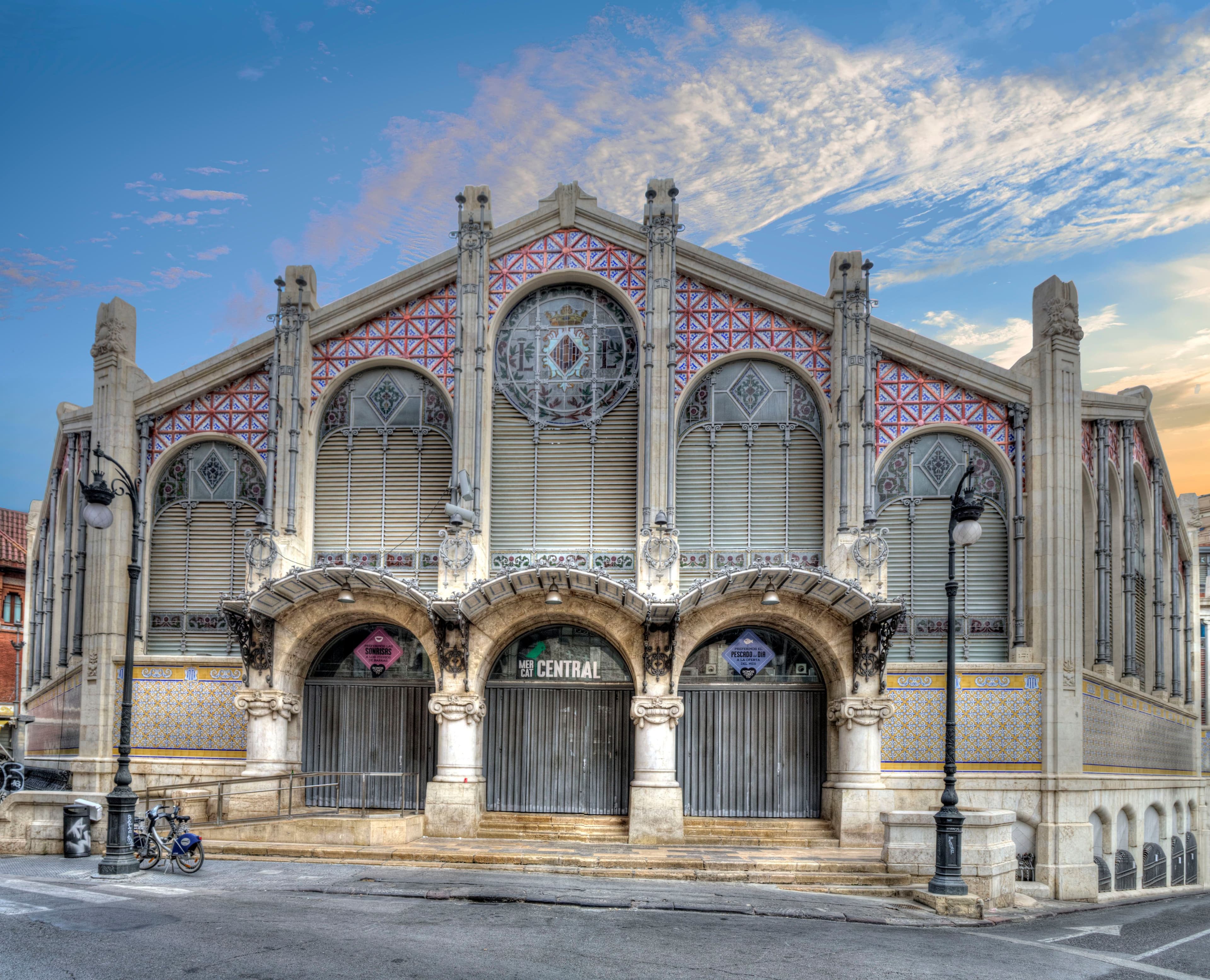
On the other hand, the Central Market of the city of Valencia is a modernist style building that began to be built in 1914 by Francesc Guàrdia i Vial and Alexandre Soler i March.
The Central Market brings together nearly 400 small businesses, employing 1,500 people daily. It is the largest center in Europe specializing in fresh produce; and the first market in the world to have taken on the challenge of computerizing sales and home delivery, since October 2, 1996.
Go to La Lonja's website either Go to the Central Market website
The Cathedral and the Basilica of Our Lady of the Forsaken (Valencia)
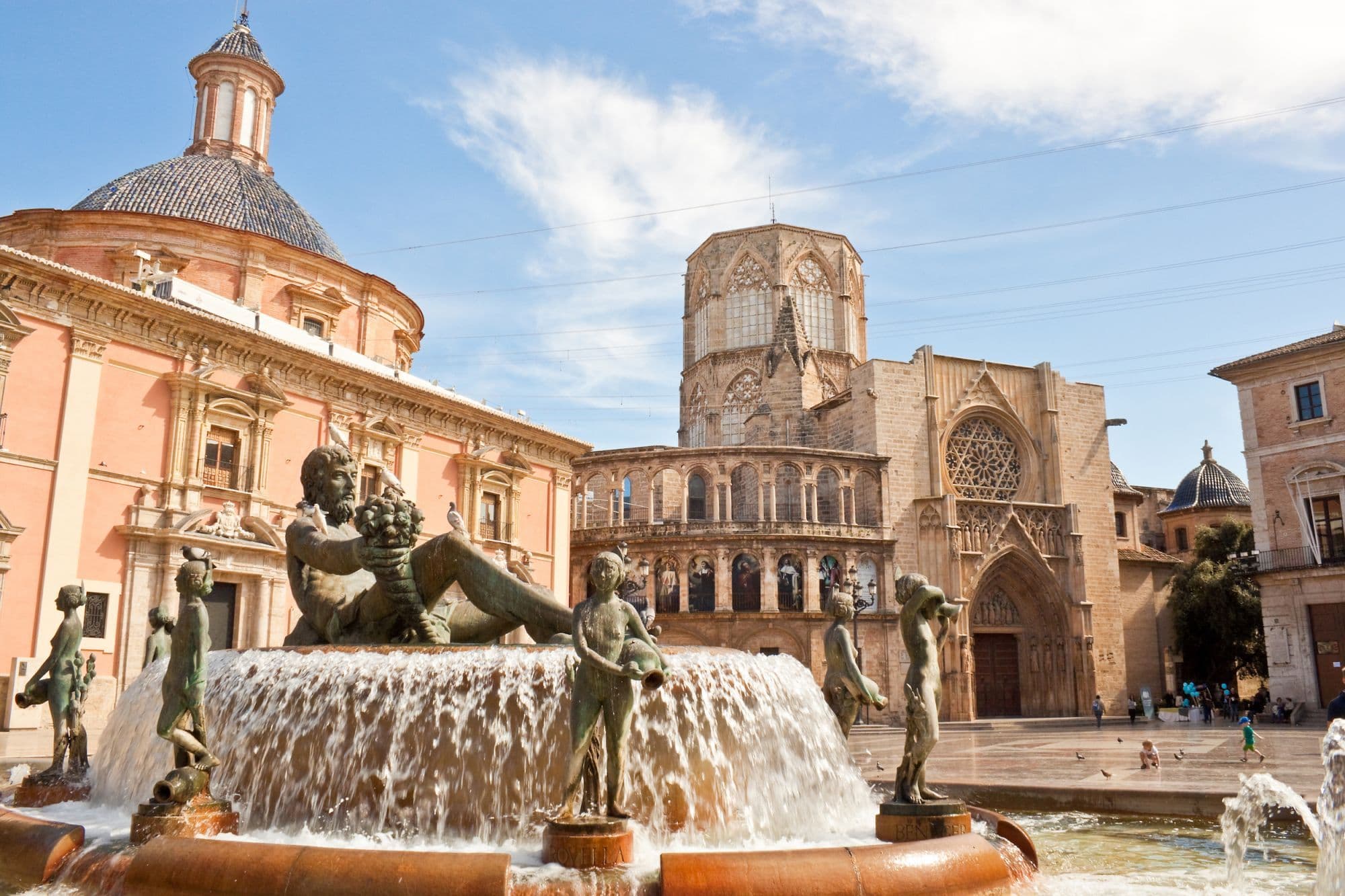
The Metropolitan Cathedral-Basilica of the Assumption of Our Lady of Valencia, popularly known as "La Seu" in Valencian, is the seat of the Archdiocese of Valencia and was dedicated to the Assumption of Mary at the behest of James I. It was consecrated in 1238 by the first Bishop of Valencia after the Reconquista, Friar Andrés de Albalat. It stands on the site of the former mosque of Balansiya, which had been built upon the site of the old Visigothic cathedral, itself erected on the site of an ancient Roman temple dedicated to Jupiter or Diana. Columns from this Roman temple can still be seen today in the Almoina Museum, next to the Cathedral. The predominant architectural style of this cathedral is Spanish Mediterranean Gothic, although it also incorporates elements of Romanesque, French Gothic, Renaissance, Baroque, and Neoclassical styles.
Inside, the Holy Chalice, dating from the 1st century and given to the cathedral by King Alfonso the Magnanimous in 1436, is venerated.
It contains some of the earliest and finest Quattrocento paintings in the entire Iberian Peninsula, which arrived from Rome through artists hired by Alexander VI. This last Valencian Pope, when he was still Cardinal Rodrigo de Borja, made the request to elevate the Valencian see to the rank of Metropolitan, a category that was granted to it by Pope Innocent VIII in 1492.
The Basilica of Our Lady of the Forsaken is located in the highest part of the city of Valencia. Together with the cathedral, it forms one of the most significant landmarks in the city's historic center. Specifically, it is situated in the Plaza de la Virgen, opposite the allegorical fountain representing the Turia River and its irrigation canals.
Two of its doors open onto this square, and a third opens onto the passageway that separates the basilica from the cathedral, both joined by an arch above. In this third door, there is a latticed window through which the interior can be seen when the basilica is closed, revealing the illuminated statue of the Virgin.
Excavations carried out at La Almoina indicate that the area where the Basilica is located corresponds to the Roman forum of the city of Valencia. In fact, several ashlars of the Basilica's main façade are tombstones and inscriptions from the Roman period.
Barrio del Carmen (Valencia)
Museums: IVAM, MuVIM and San Pío V Fine Arts (Valencia)
The Albufera (Valencia)
Places of Interest
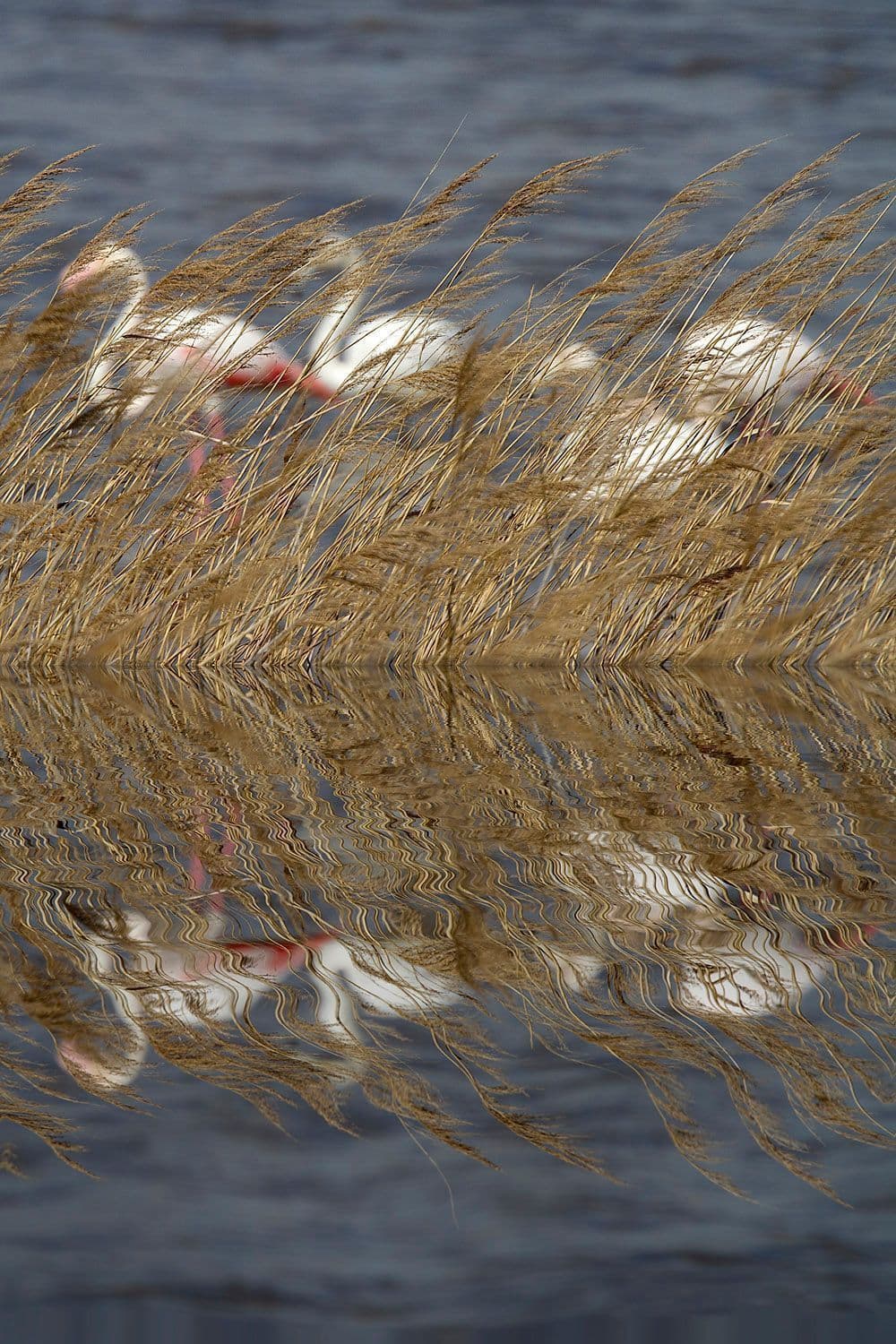
Marjal dels Moros
Wetland of extraordinary ecological value, classified as a ZEPA area, fundamental for the survival of aquatic birds and native species in danger of extinction.
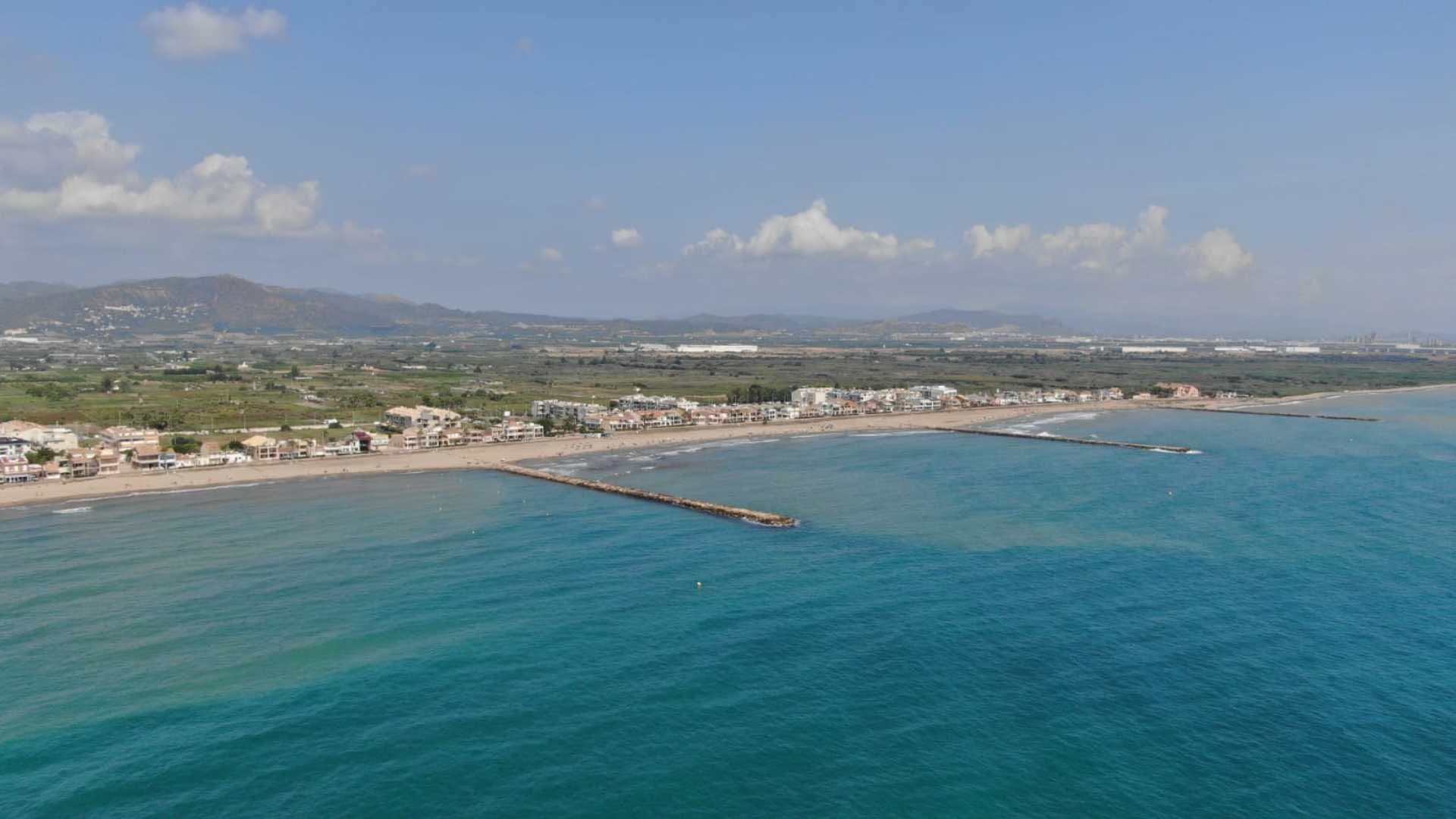
Pucol Beach
More than two kilometers of coastline awarded the Blue Flag, which stands out for its fine sand, calm waters and a pedestrian promenade ideal for family and accessible tourism.
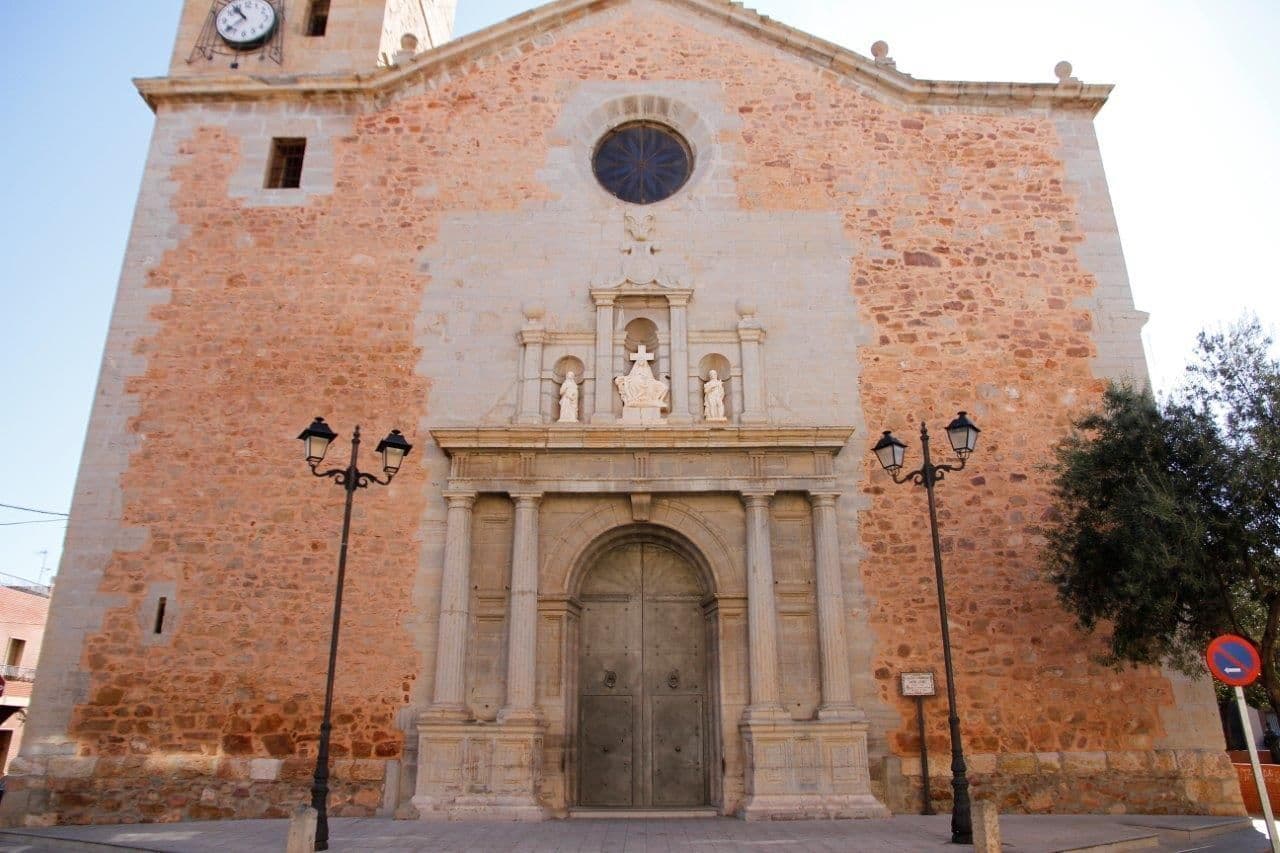
Church of Saints John
The nerve center of the town, where faith and architecture meet.
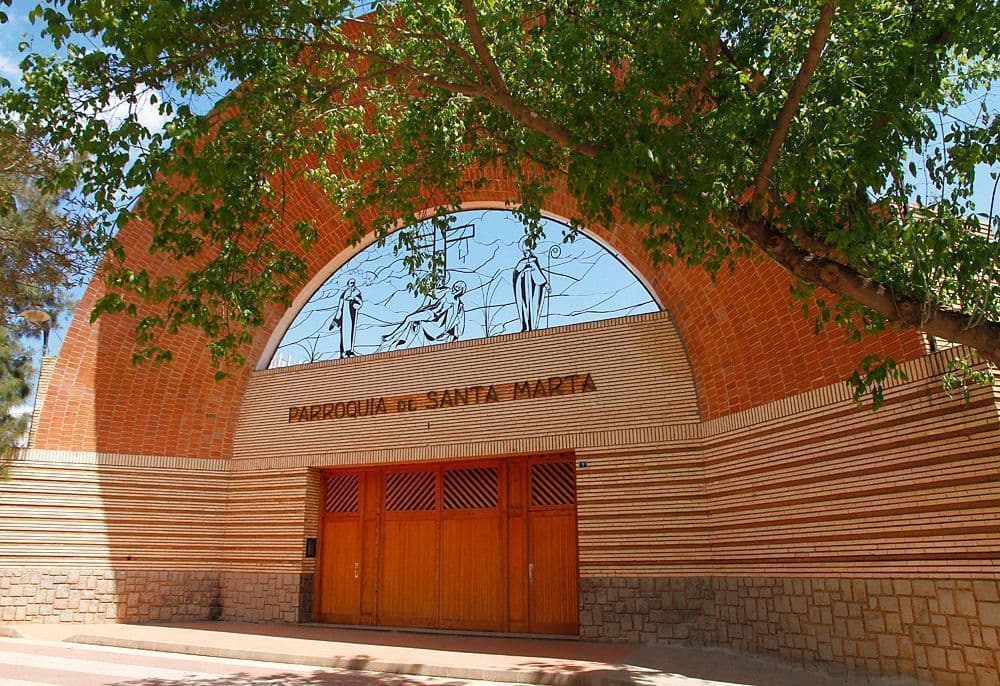
Church of Santa Marta
It is a modern-style church inaugurated in 1964. It is characterized by its functional design, typical of the final stage of the Second Vatican Council, where the use of natural light and the fact that it was built by the local parishioners themselves are particularly noteworthy.
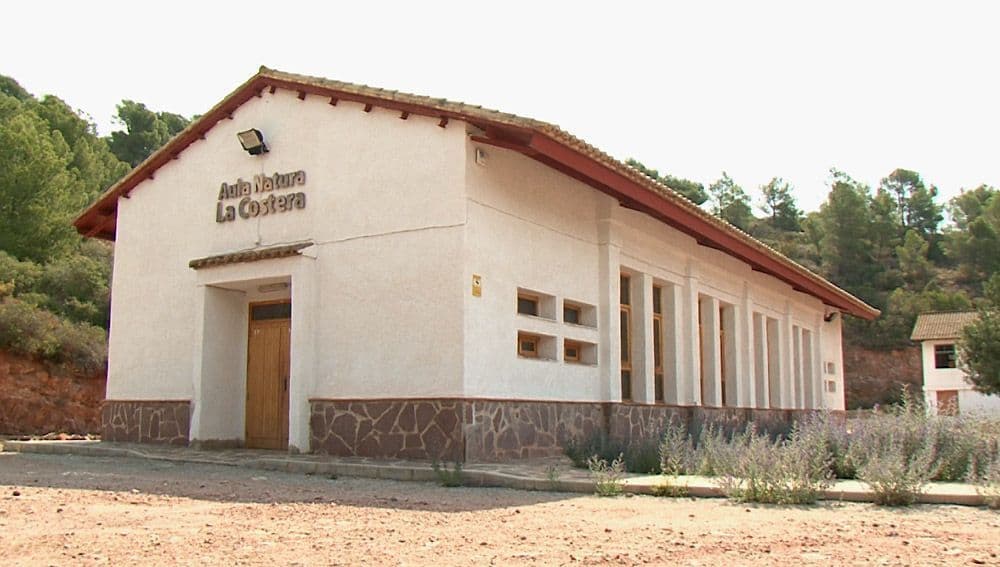
La Costera
A protected area of 517,245 m² that combines the recovery of Mediterranean biodiversity with environmental education infrastructure such as the Aula Natura.
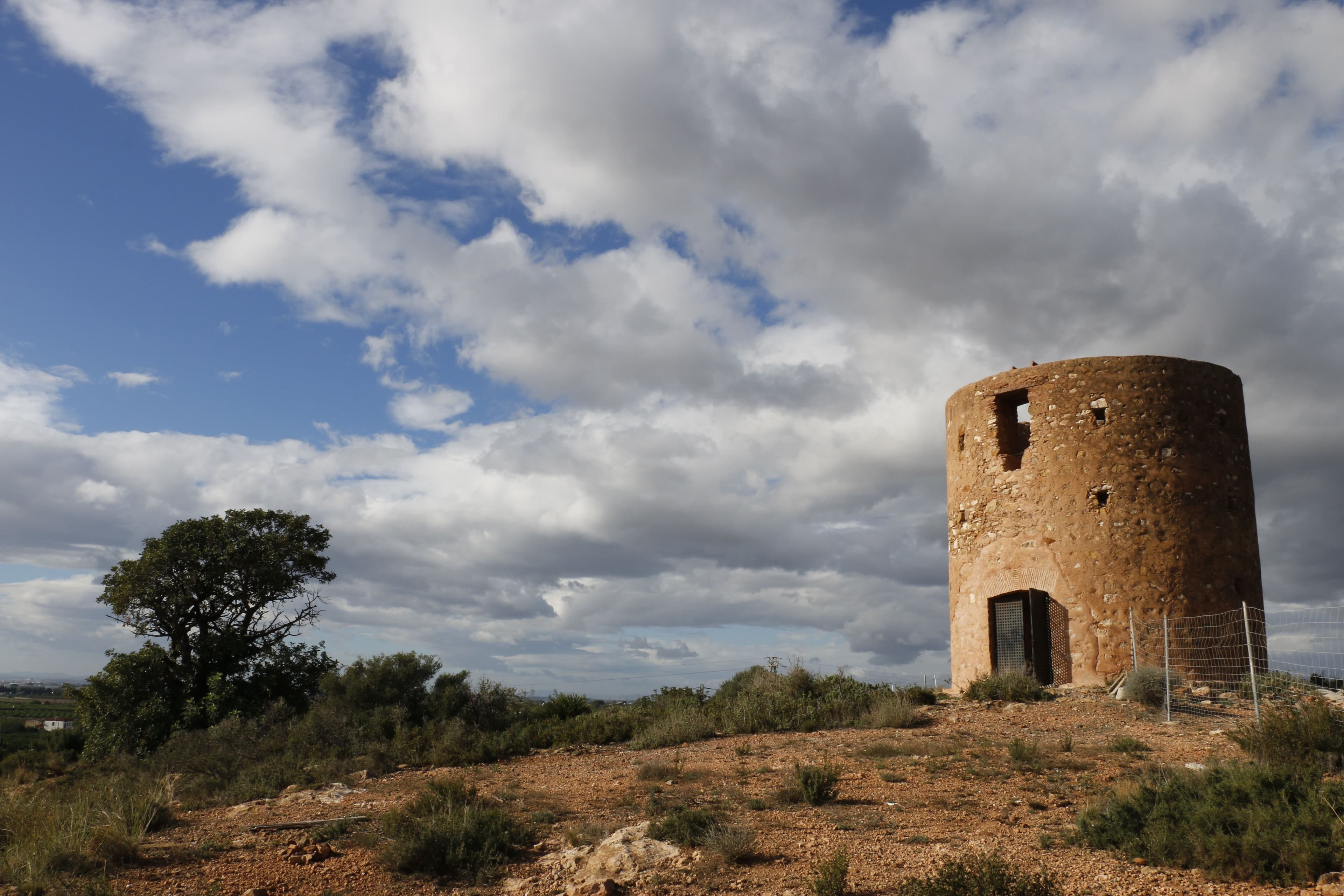
Molí de Vent
Old mill of Arab structure located on a strategic hill, offering one of the best panoramic views of Puçol and the Mediterranean coast.
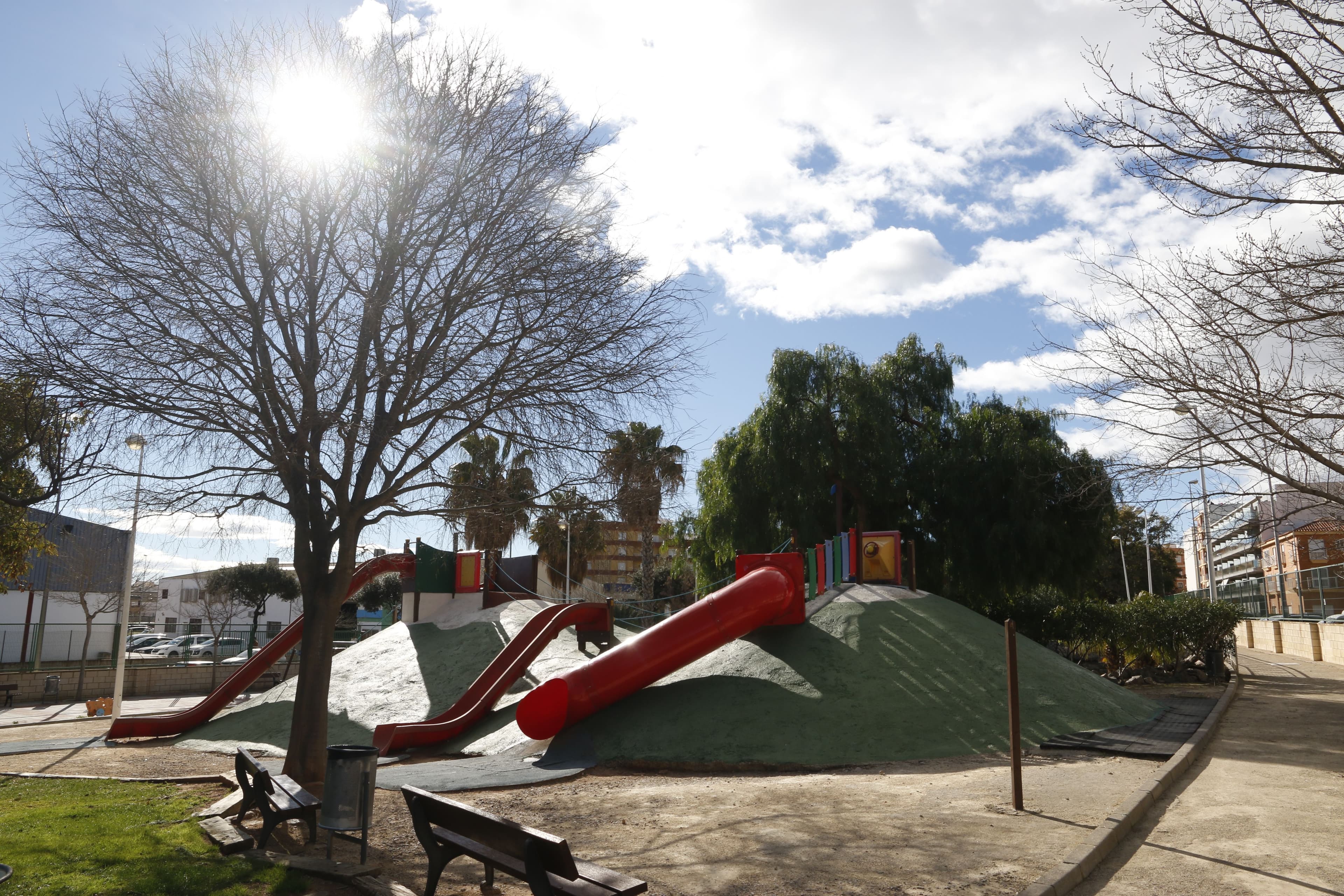
Ribelles Park
Inaugurated on May 25, 1999, it is named after the poet from Puçol, Josep Maria Ribelles i Llobat, and features multiple species of trees.
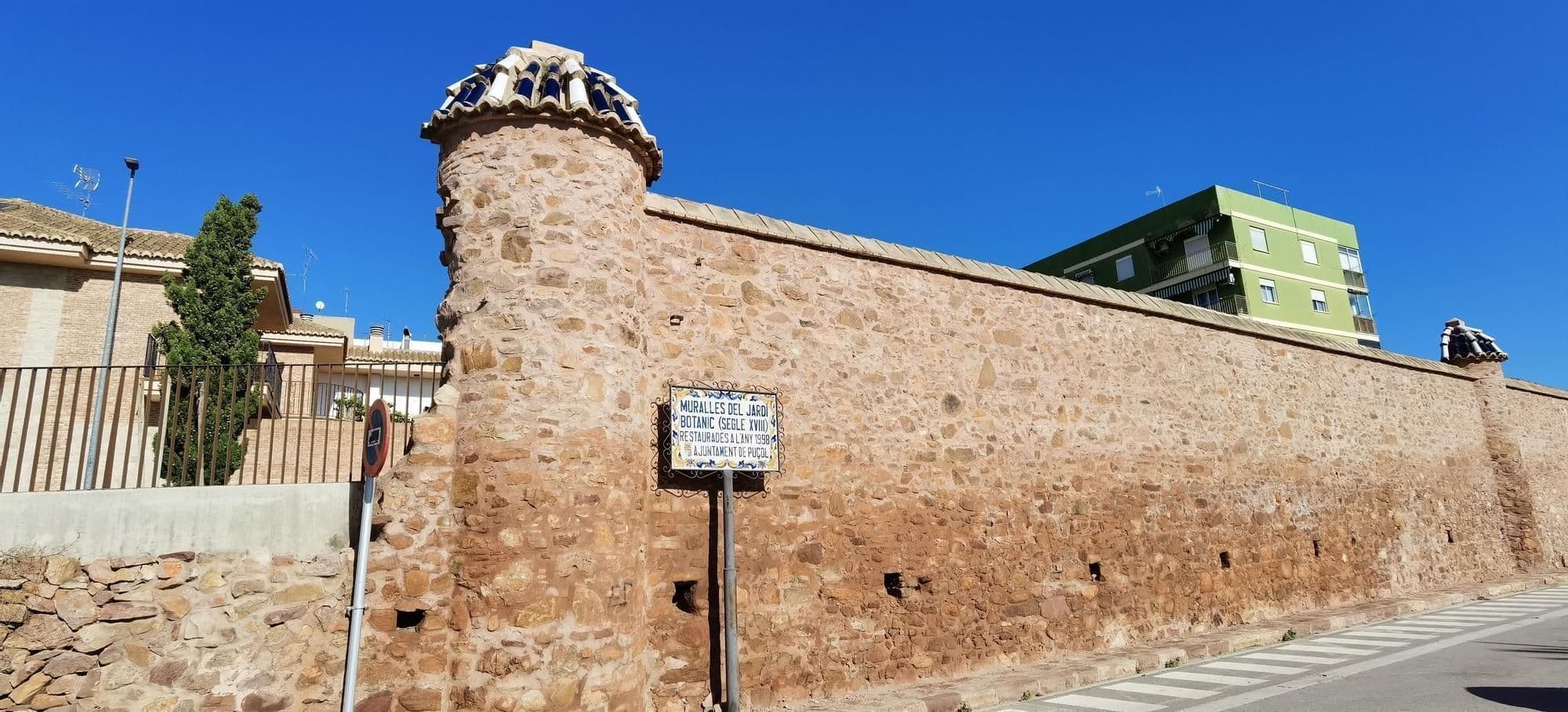
Botanical garden wall
Baroque remains of the old Archbishop's Palace that protected the first university botanical garden in Europe.
Routes
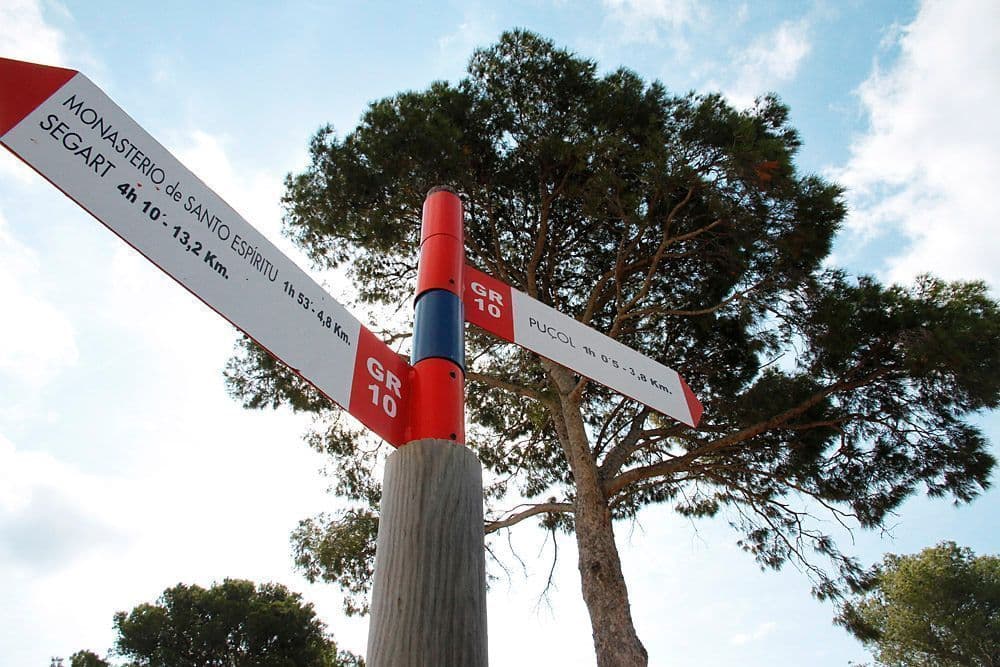
GR-10 long-distance trail
The longest trail on the Iberian Peninsula, linking the Mediterranean with the Atlantic. A trans-Iberian crossing that begins in the heart of our municipality.
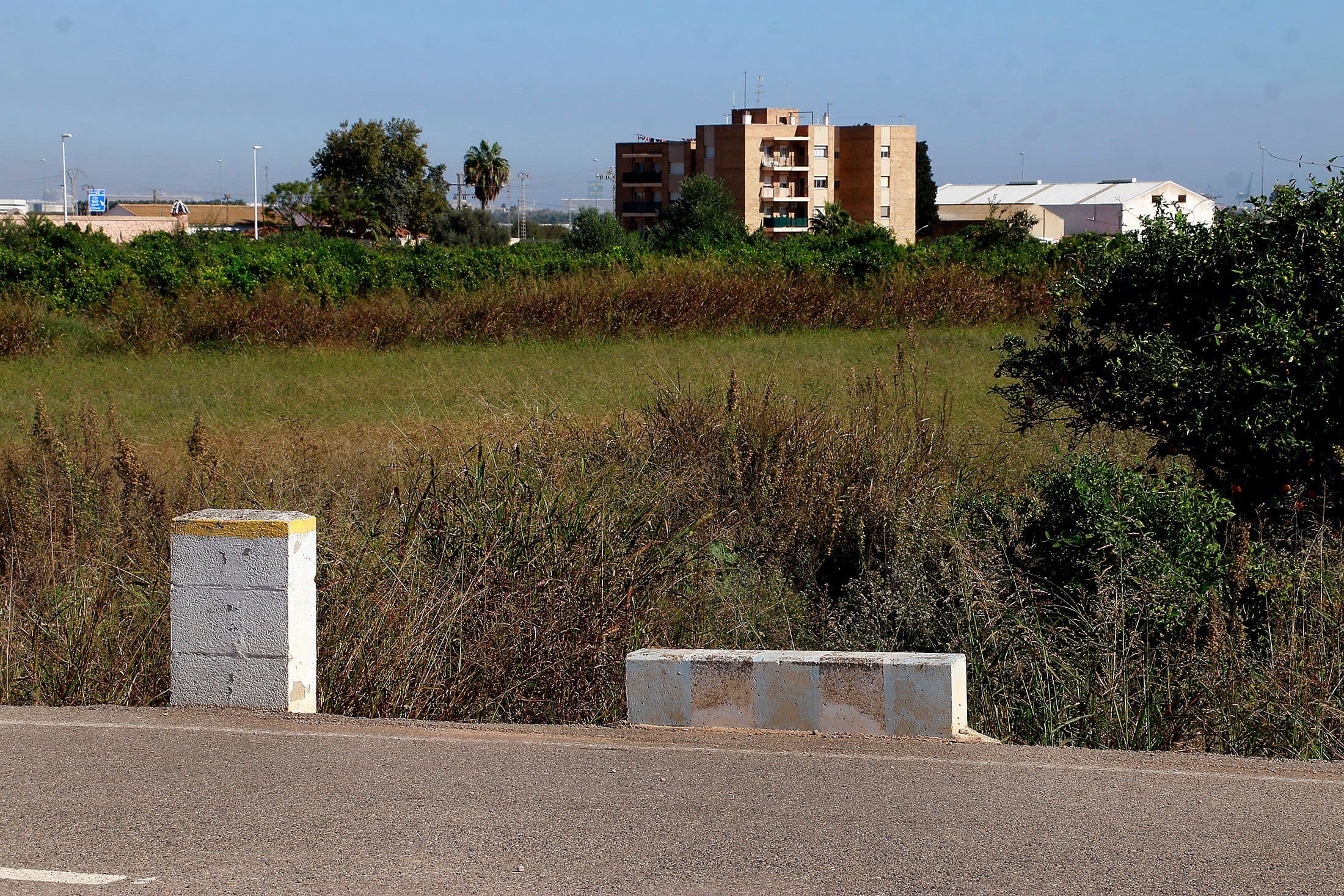
Via Augusta
The longest Roman road in Hispania. A cultural and scenic route that skirts the Mediterranean, linking the Pyrenees with Cádiz.
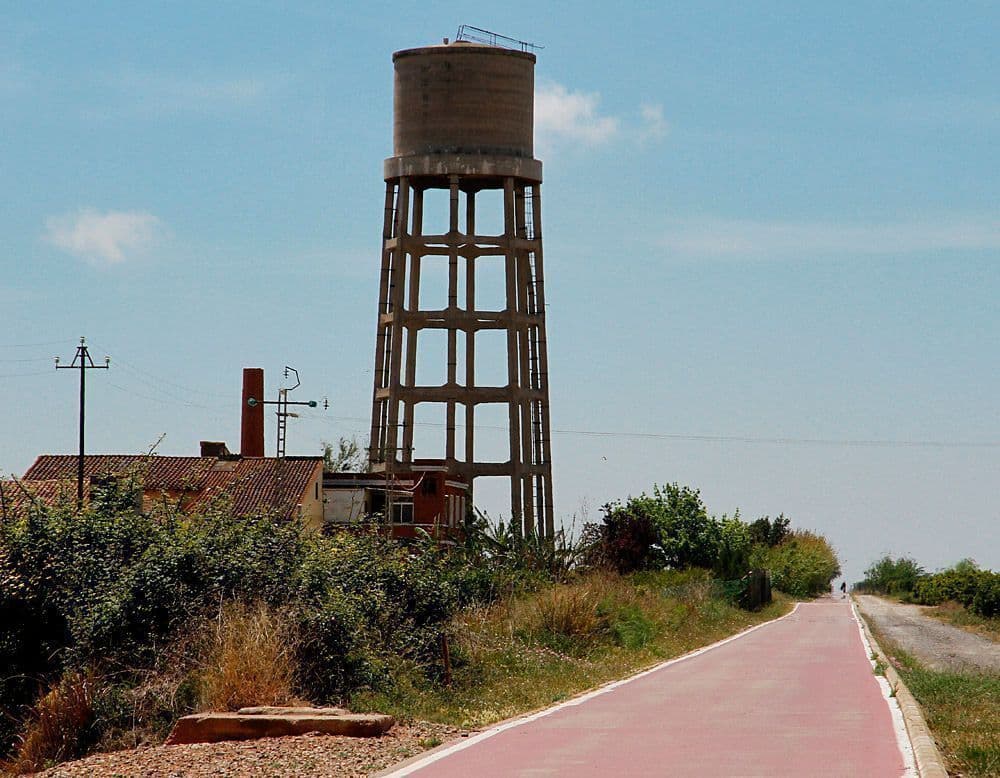
Green Way
A cycle and pedestrian path that follows the route of the old mining railway. A peaceful walk through orchards that connects Puçol with Valencia.
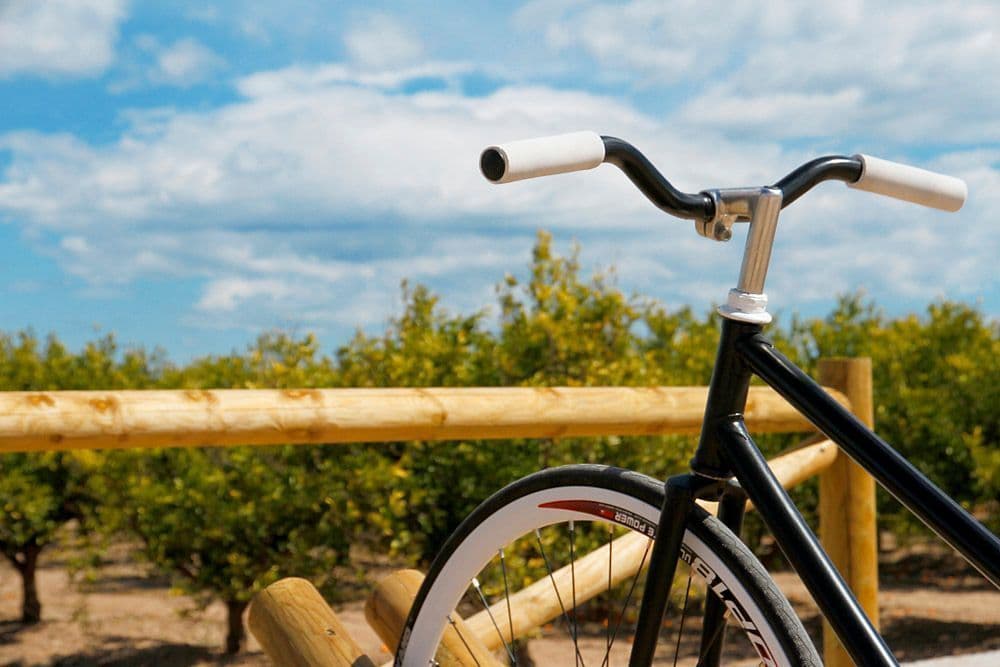
Seaside Walk
Pedestrian and cycling axis that connects the heart of the town with the breeze of the beach and the sea.
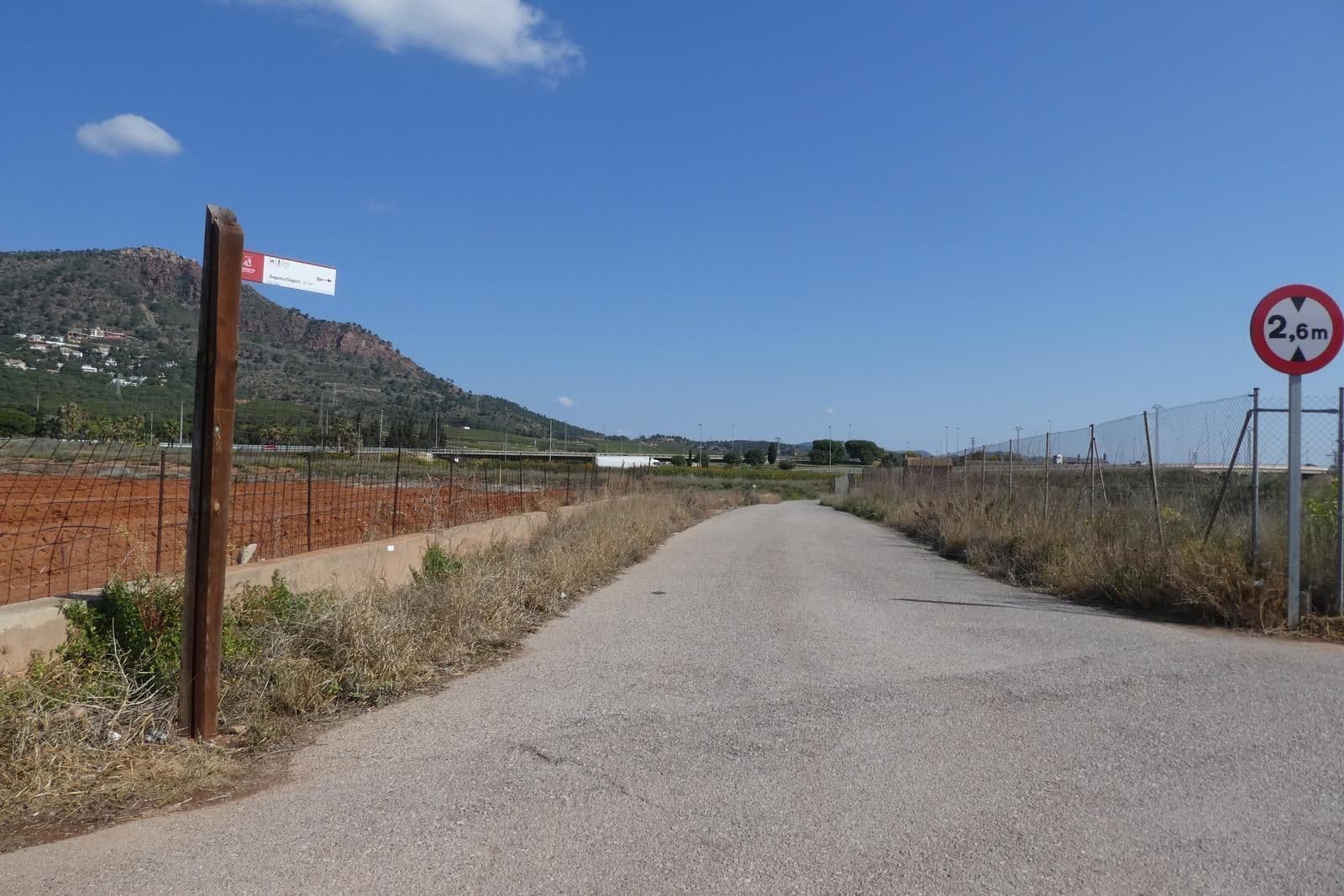
Route of El Cid
Historical-literary itinerary that follows in the footsteps of the Castilian knight Rodrigo Díaz de Vivar.
Services

Beach Parking
Large free parking area with direct access to the beach and promenade.
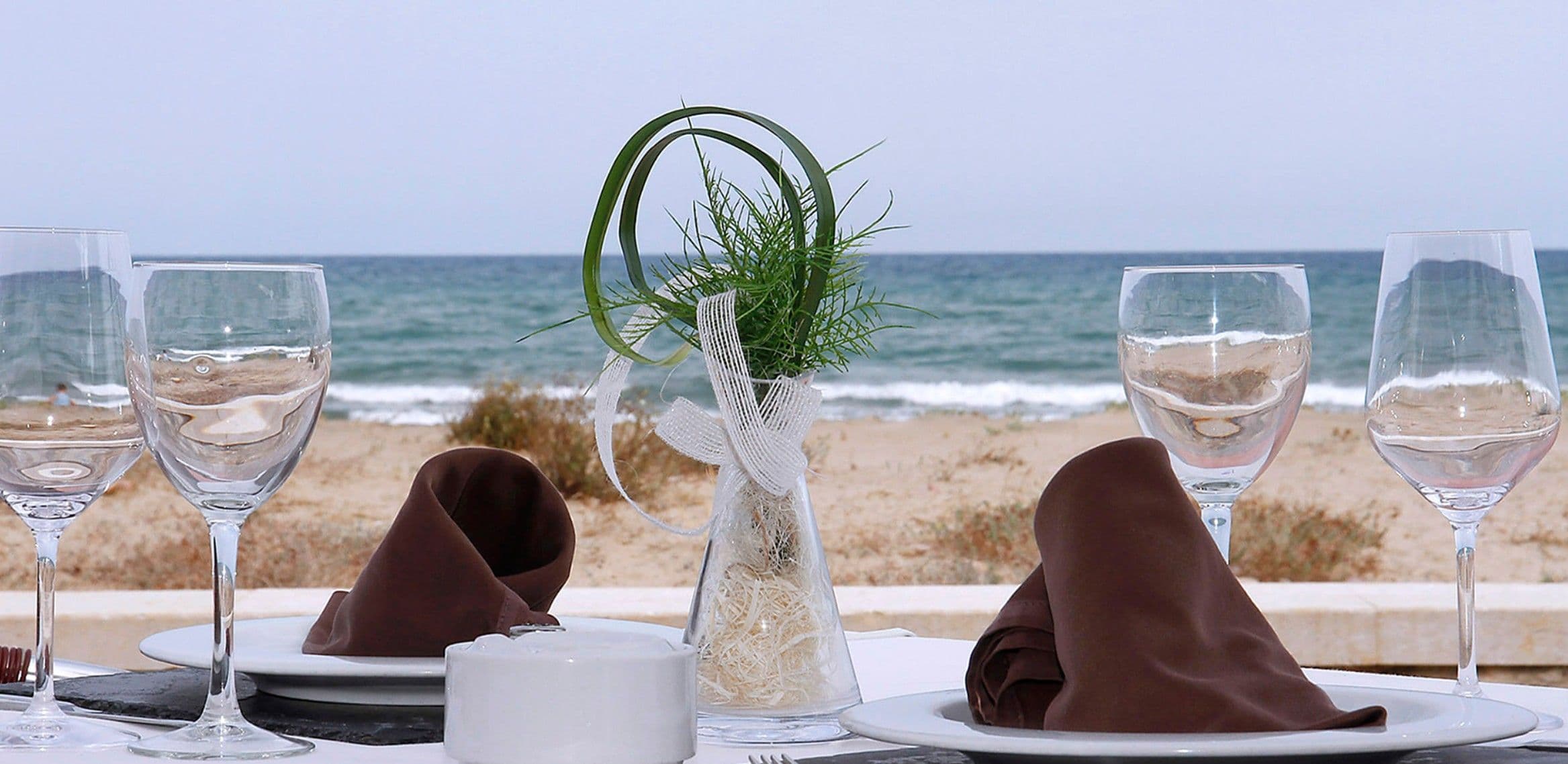
GALLI RESTAURANT
Galli is a Mediterranean restaurant where fresh produce, rice dishes, and traditional flavors take center stage. A welcoming, family-friendly space to enjoy classic cuisine by the sea.
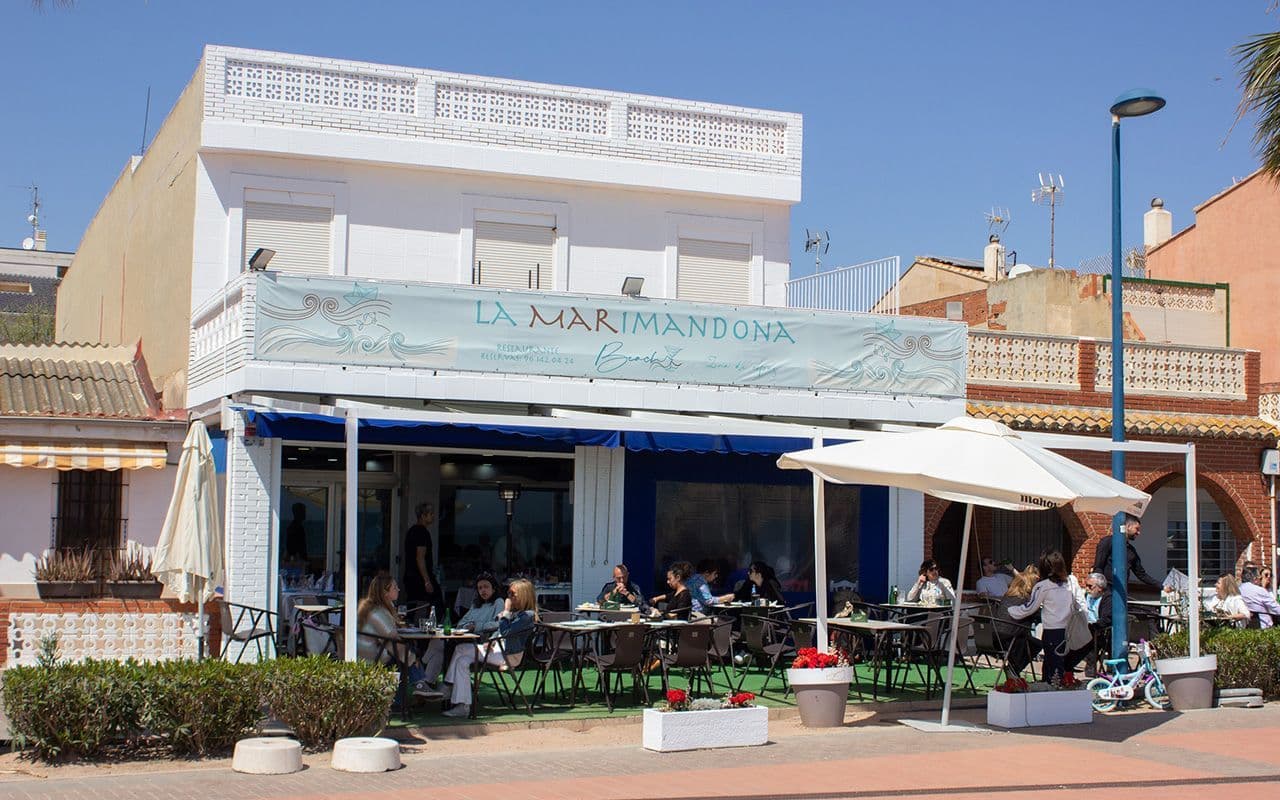
LA MARIMANDONA BEACH RESTAURANT
La Marimandona Beach offers a fresh and relaxed experience by the Mediterranean, with a fusion of Valencian and Italian cuisine, and in a relaxed atmosphere with sea views as the perfect setting to share great moments.
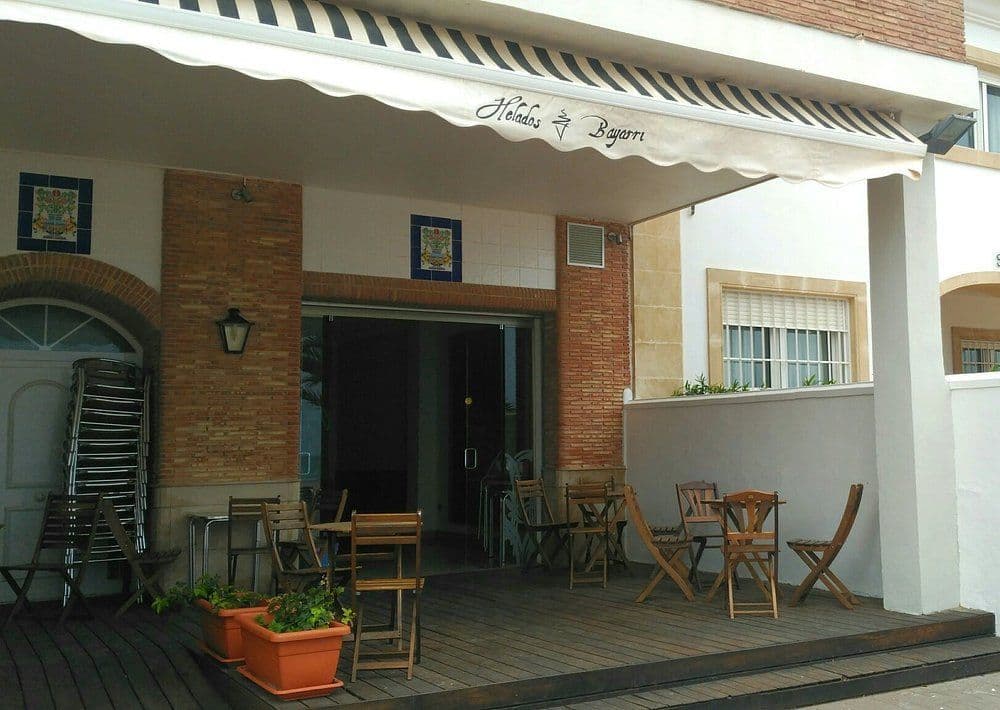
BAYARRI ICE CREAM
Helados Bayarri is an ice cream shop designed to enjoy the most refreshing flavors by the sea, with horchata and a wide variety of ice creams in an environment perfect for sharing moments with family or friends.
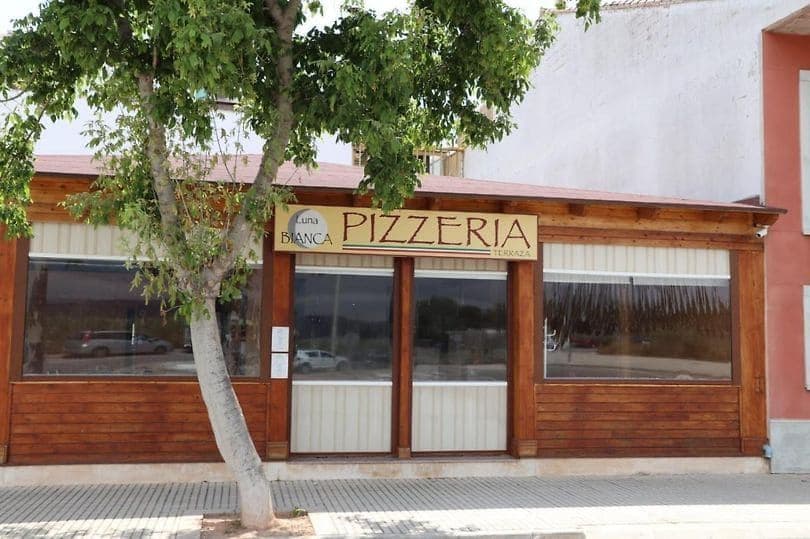
LUNA BIANCA PIZZERIA
Luna Bianca is a cozy pizzeria with a friendly, family atmosphere. Artisan pizzas, pastas, and authentic flavors make every visit a memorable experience to enjoy and share.
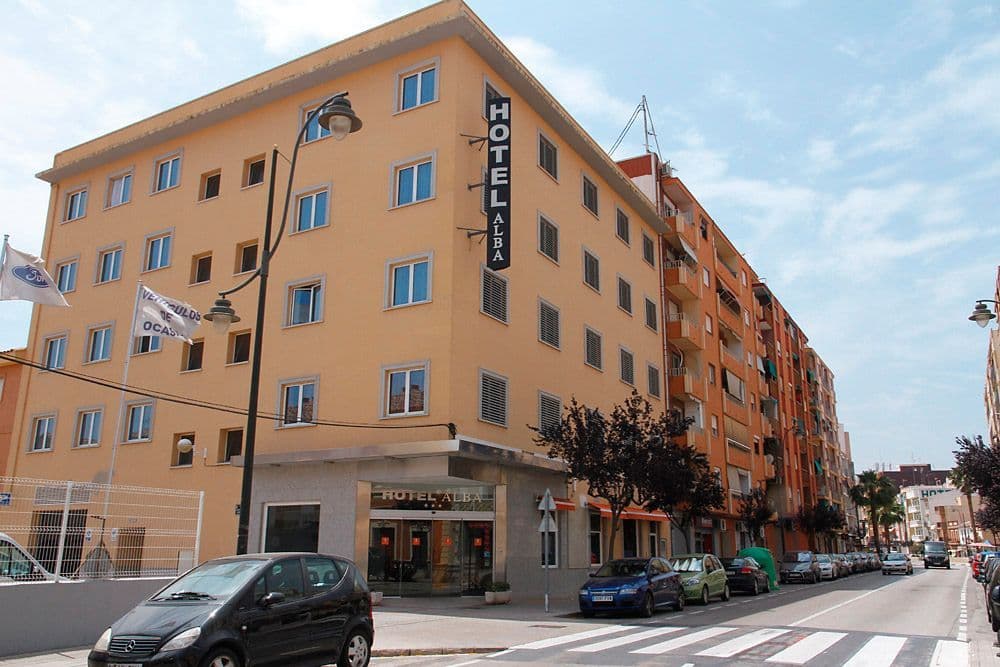
Hotel Alba
Modern and functional hotel, ideal for business stays or getaways near Valencia.
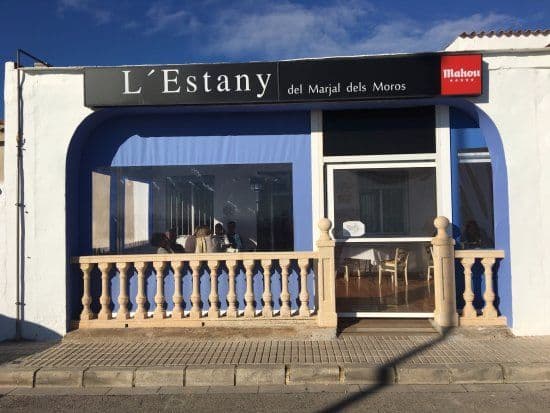
RESTAURANT ESTANY of the Marjal dels Moros
L’Estany is a restaurant that offers an experience linked to the rhythms of the sea and Mediterranean coastal culture. In a rustic setting, surrounded by nature, its menu features rice dishes, fresh fish, and grilled meats, with a Valencian essence alongside the Marjal dels Moros wetlands.

Camping Puçol
Quiet and welcoming campsite with a family atmosphere next to the Mediterranean Sea.
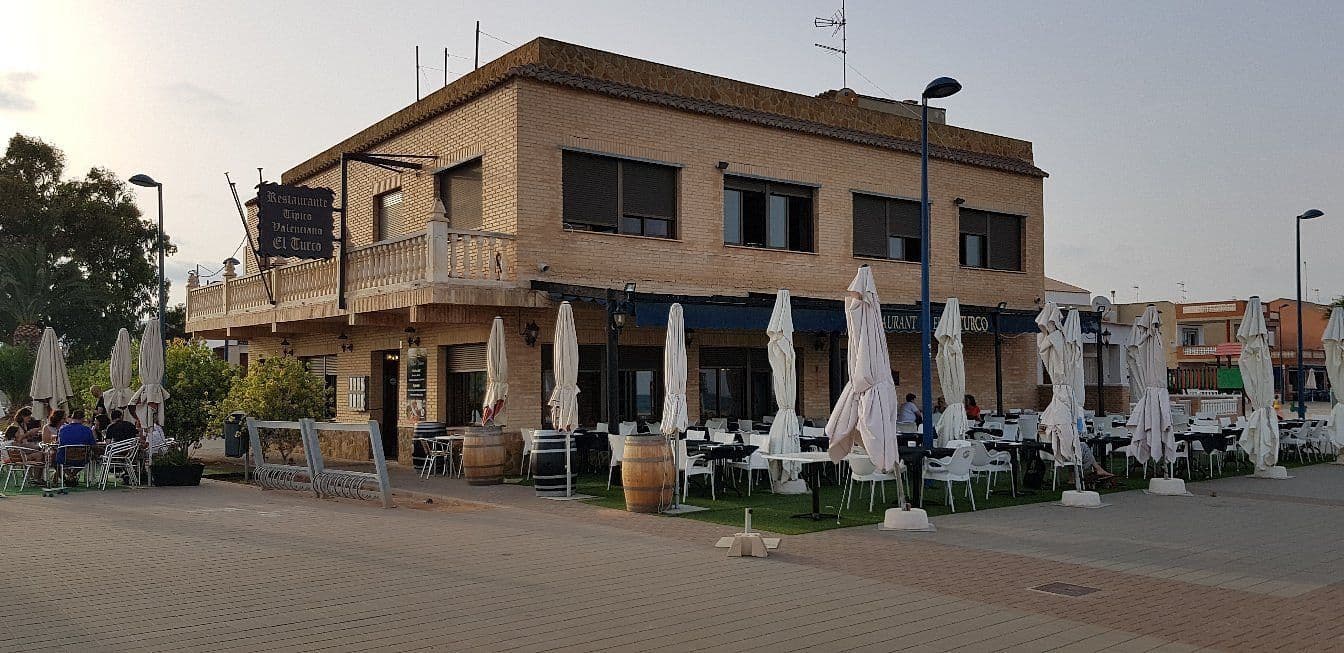
EL TURKO RESTAURANT
A restaurant with a Mediterranean essence where you can enjoy rice dishes, tapas, and fish from traditional Valencian cuisine in a friendly and welcoming atmosphere. El Turco combines a warm, family-friendly atmosphere with authentic flavors overlooking the sea in Puçol.
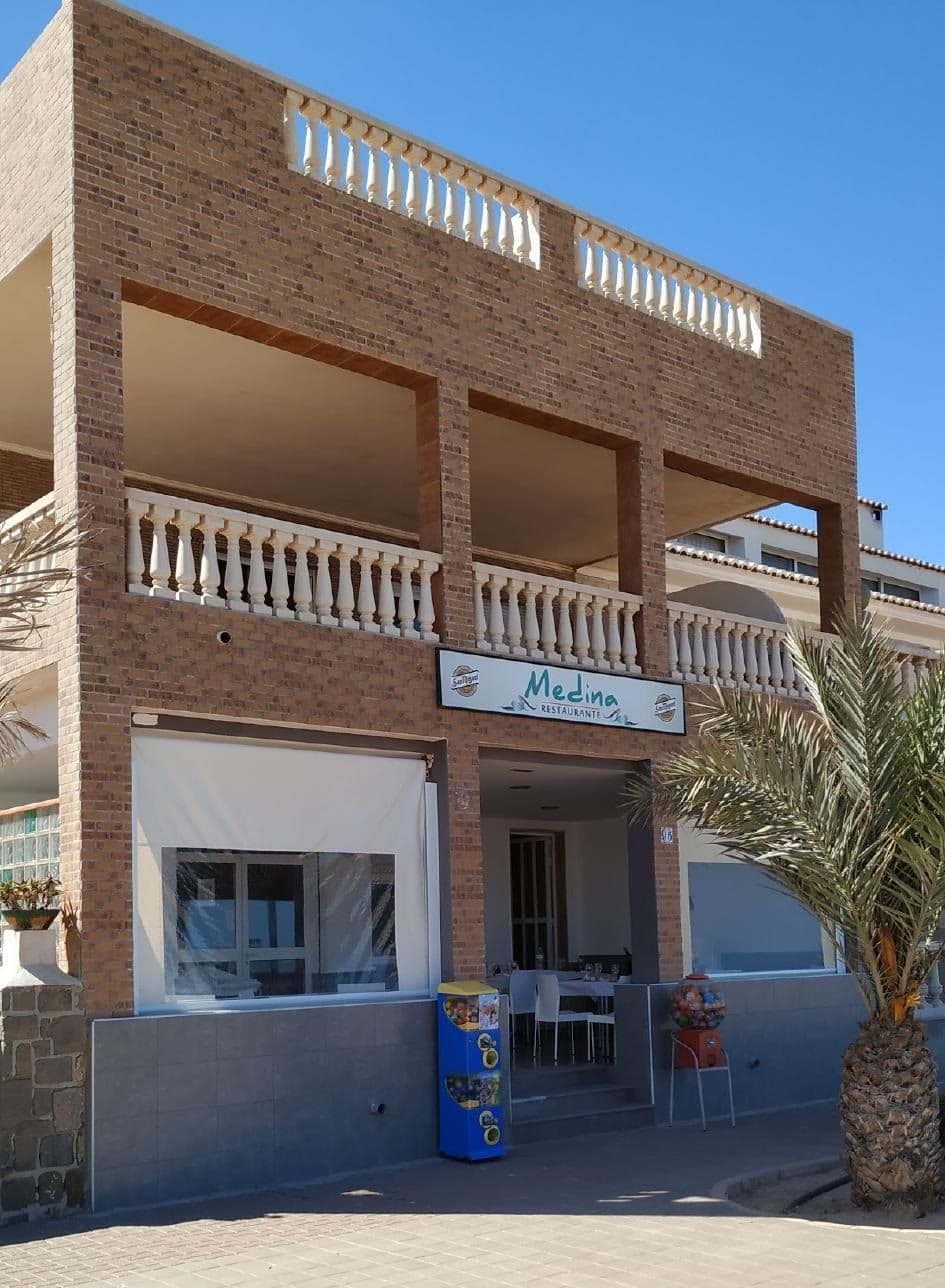
MEDINA RESTAURANT-BAR
Bar Medina is a traditional meeting point on Puçol beach, ideal for enjoying tapas, meals and a friendly and relaxed atmosphere at any time of day.
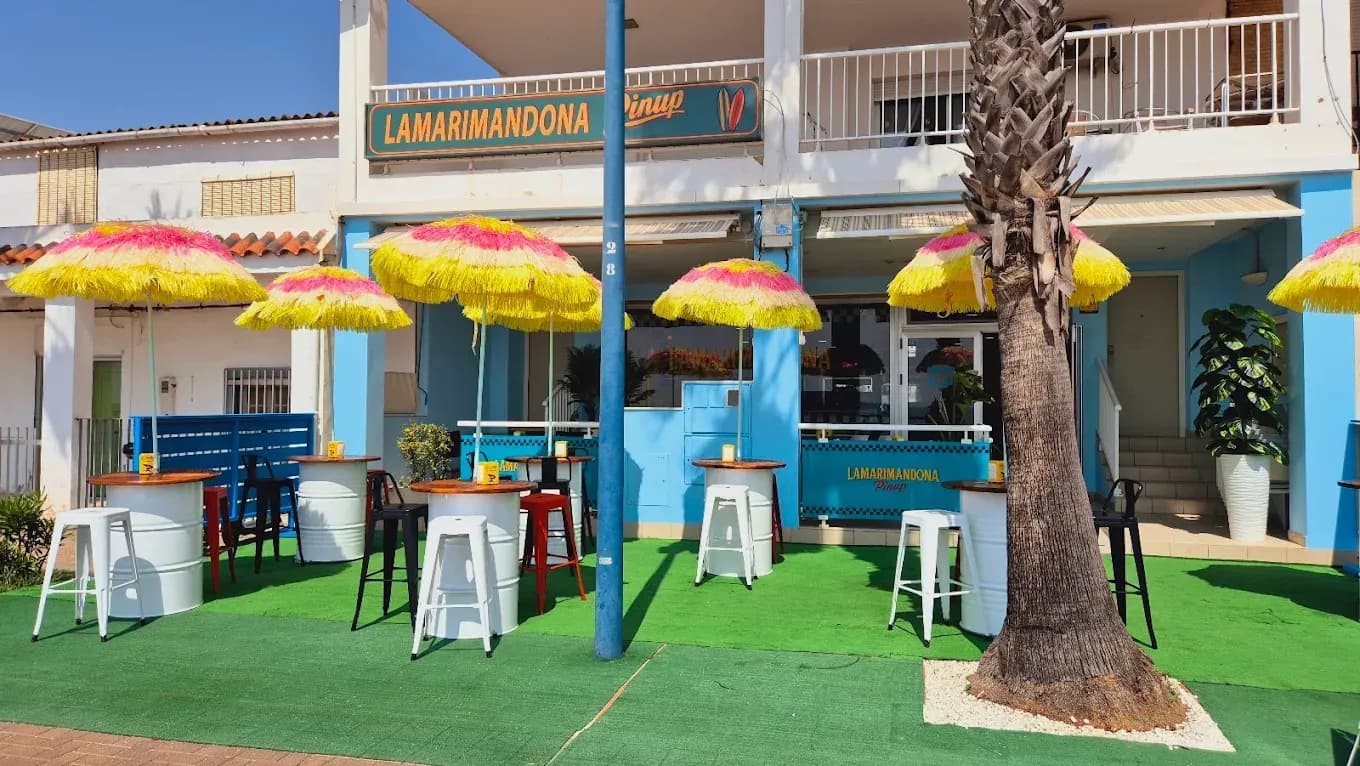
LA MARIMANDONA PINUP RESTAURANT
La Marimandona PinUp combines style and fun in its retro decor and musical ambiance. A place designed to enjoy great burgers and a variety of options from other culinary cultures.
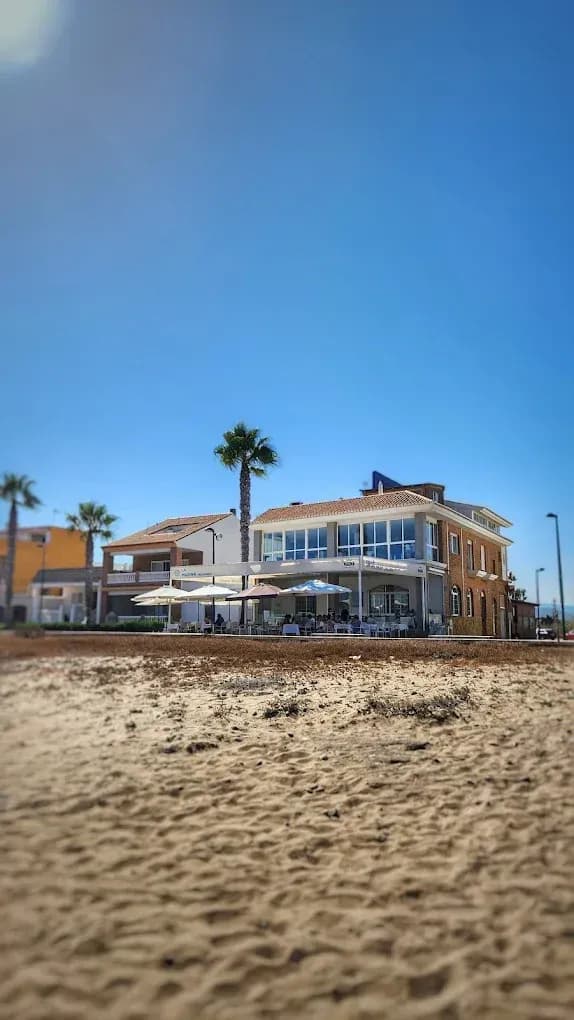
LA MARINA RESTAURANT
La Marina is a renowned restaurant on Puçol beach, specializing in Mediterranean cuisine, rice dishes, and fresh seafood. It's a place designed for enjoying tradition, flavor, and tranquility overlooking the Mediterranean.