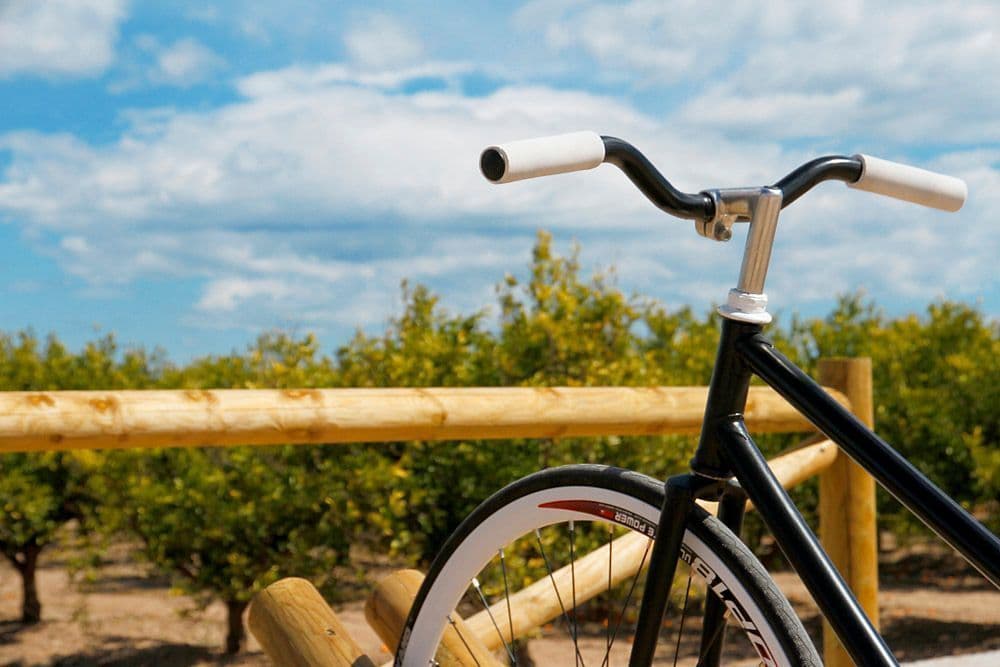
Seaside Walk
Pedestrian and cycling axis that connects the heart of the town with the breeze of the beach and the sea.

QUICK GUIDE

Create your own itinerary
Follow these 4 steps to save your personalized visit plan.
Add places
Press "Add to itinerary" on any landmark, route or service you see.
Order your plan
Drag places to reorganize the route to your liking.
Create the itinerary
Press "Create Itinerary" and save the generated link so you don't lose it.
Download as PDF
If you wish, export the full itinerary to take it offline.
QUICK GUIDE
Create your own itinerary
Follow these 4 steps to save your personalized visit plan.
Add places
Press "Add to itinerary" on any landmark, route or service you see.
Order your plan
Drag places to reorganize the route to your liking.
Create the itinerary
Press "Create Itinerary" and save the generated link so you don't lose it.
Download as PDF
If you wish, export the full itinerary to take it offline.
 Mountain
 Natural adventure
 Natural space
 Green space
La Costera is an enclave historically linked to the enjoyment of nature by the residents of Puçol, as it is the only natural refuge within a densely populated and urbanized area. It covers 66 hectares and is formed from Triassic materials, reaching a height of 162 meters. Located just 4 kilometers from Puçol beach, it comprises the last foothills of the Sierra Calderona mountain range. La Costera embodies the slogan "Puçol, between sea and mountains."
The vegetation consists of typical Mediterranean scrubland, accompanied by pines, holm oaks, carob trees, and olive trees. All of this makes it an area of great scenic, botanical, ecological, and geomorphological value.
Given this situation, and to protect it from the urban development so common today in areas near the Mediterranean coast, appropriate protection was requested for this green lung of the town. Being designated as a Municipal Natural Area, it is protected from urbanization and any other use that could endanger its integrity as a green space, and ecological activities and environmental promotion will be encouraged.
Most of the hill is covered by Mediterranean scrubland typical of warm climates, composed mainly of (kermes oak, mastic, juniper, rockrose, rosemary, and thyme). We will also see carob, olive, fig, and almond trees, evidence of the agricultural use the area once had.
There are quite a few white pines, which form forests in some areas, and in recent years several reforestation efforts have been carried out to introduce holm oaks, which surely dominated the mountain centuries ago.
The proximity to inhabited areas means that the fauna is limited to insects and some reptiles such as lizards. Various bird species also use it as a stopover and a place to scavenge for food scraps left by visitors, something that also occasionally occurs with small carnivores such as foxes and ferrets. Other mammals found in the area include shrews and rabbits.
To enjoy the La Costera landscape, take the Cementerio road and go under the highway, where it changes its name to the Molí de Vent road.
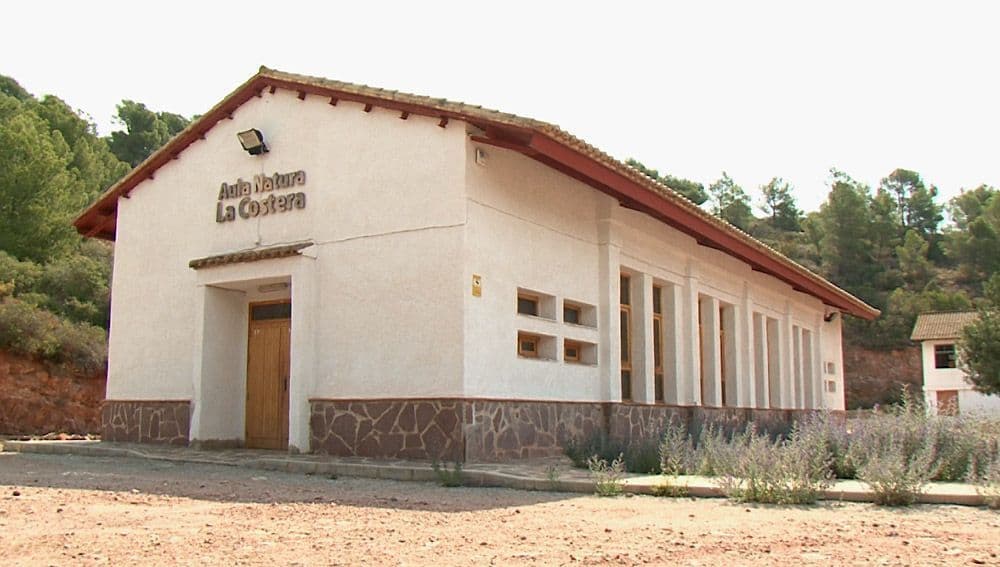
About 2 km from the start, you will see the first houses of the Alfinach residential area and the old industrial buildings, now transformed into the Aula Natura (Nature Classroom), a multi-purpose room, and other public facilities.
Aula Natura is a former warehouse of 200 square meters, restored by the "workshop schools." This site is intended for organizing visits and excursions with groups of children and young people to explore the area. The hostel will be ready to organize visits and excursions with groups of children and young people to showcase the natural beauty of the La Costera natural area.
Another green space we have is the La Costera Municipal Estate.
It is located in the western part of the town and is accessed via the Camí Molí de Vent road (continuation of Avenida Molí de Vent).
The estate covers 517,245 m² and is owned by the municipality. It has a hostel (currently unused) with a capacity for 25 people, recreational areas, and areas replanted with pine trees and native vegetation.
Pedestrian and cycling axis that connects the heart of the town with the breeze of the beach and the sea.
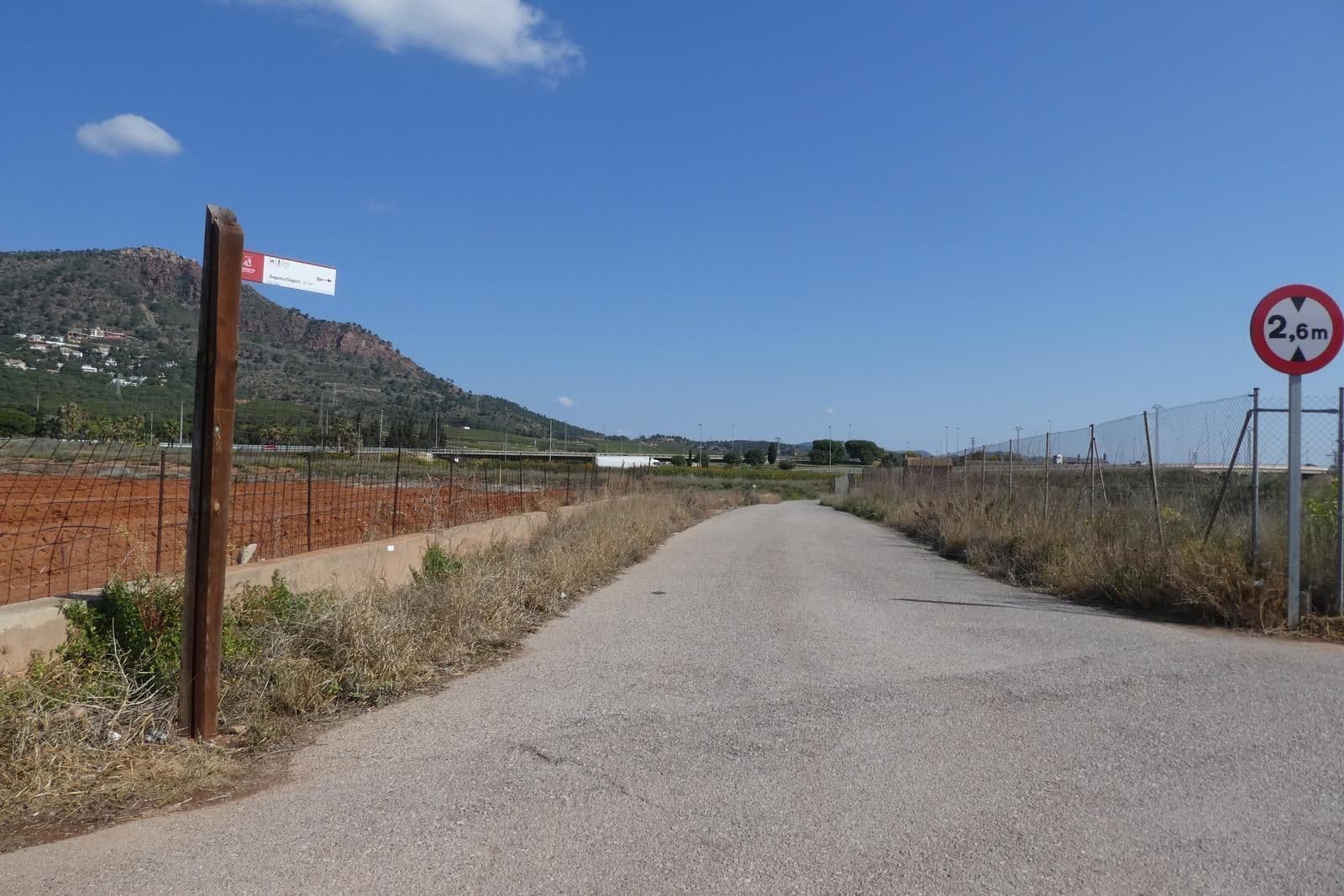
Historical-literary itinerary that follows in the footsteps of the Castilian knight Rodrigo Díaz de Vivar.
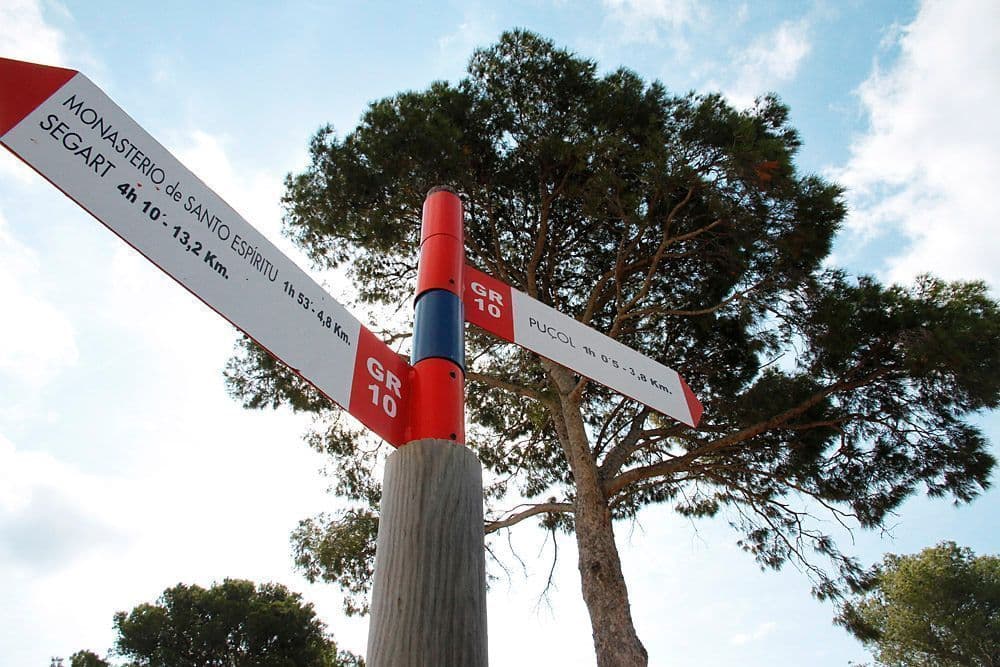
The longest trail on the Iberian Peninsula, linking the Mediterranean with the Atlantic. A trans-Iberian crossing that begins in the heart of our municipality.
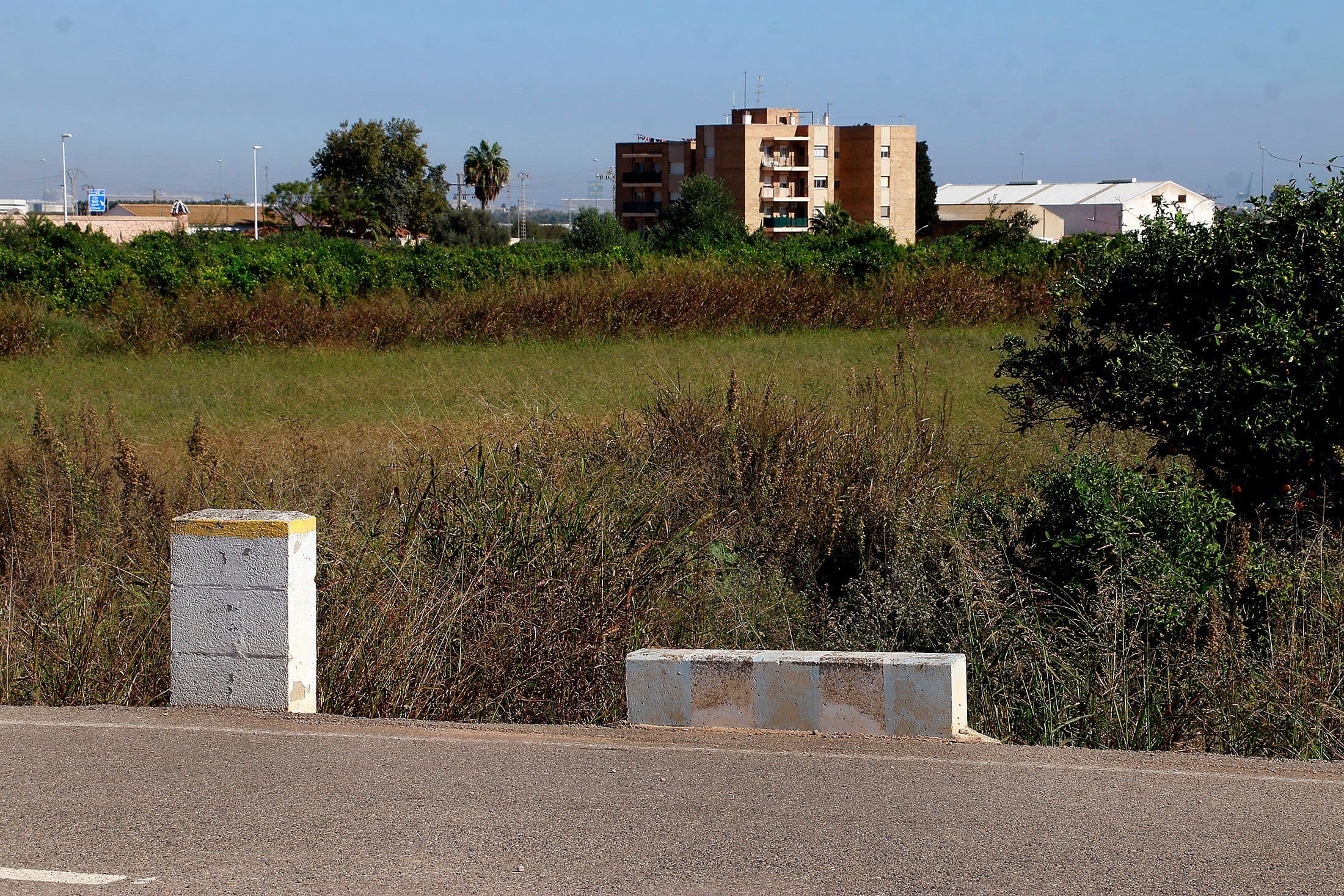
The longest Roman road in Hispania. A cultural and scenic route that skirts the Mediterranean, linking the Pyrenees with Cádiz.
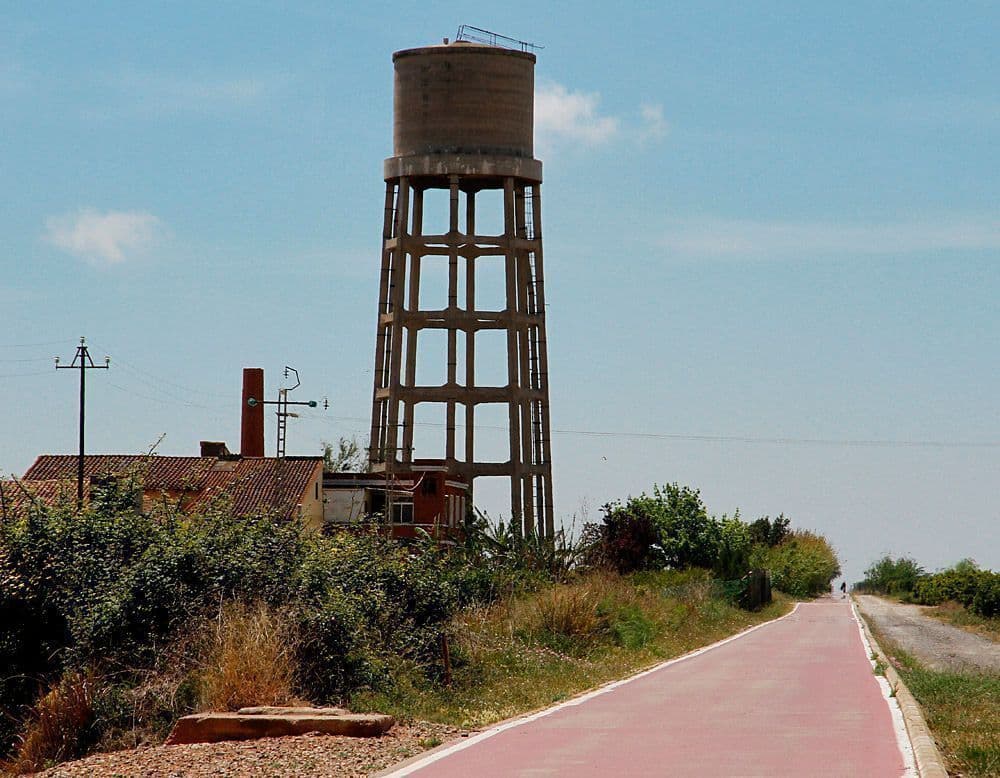
A cycle and pedestrian path that follows the route of the old mining railway. A peaceful walk through orchards that connects Puçol with Valencia.
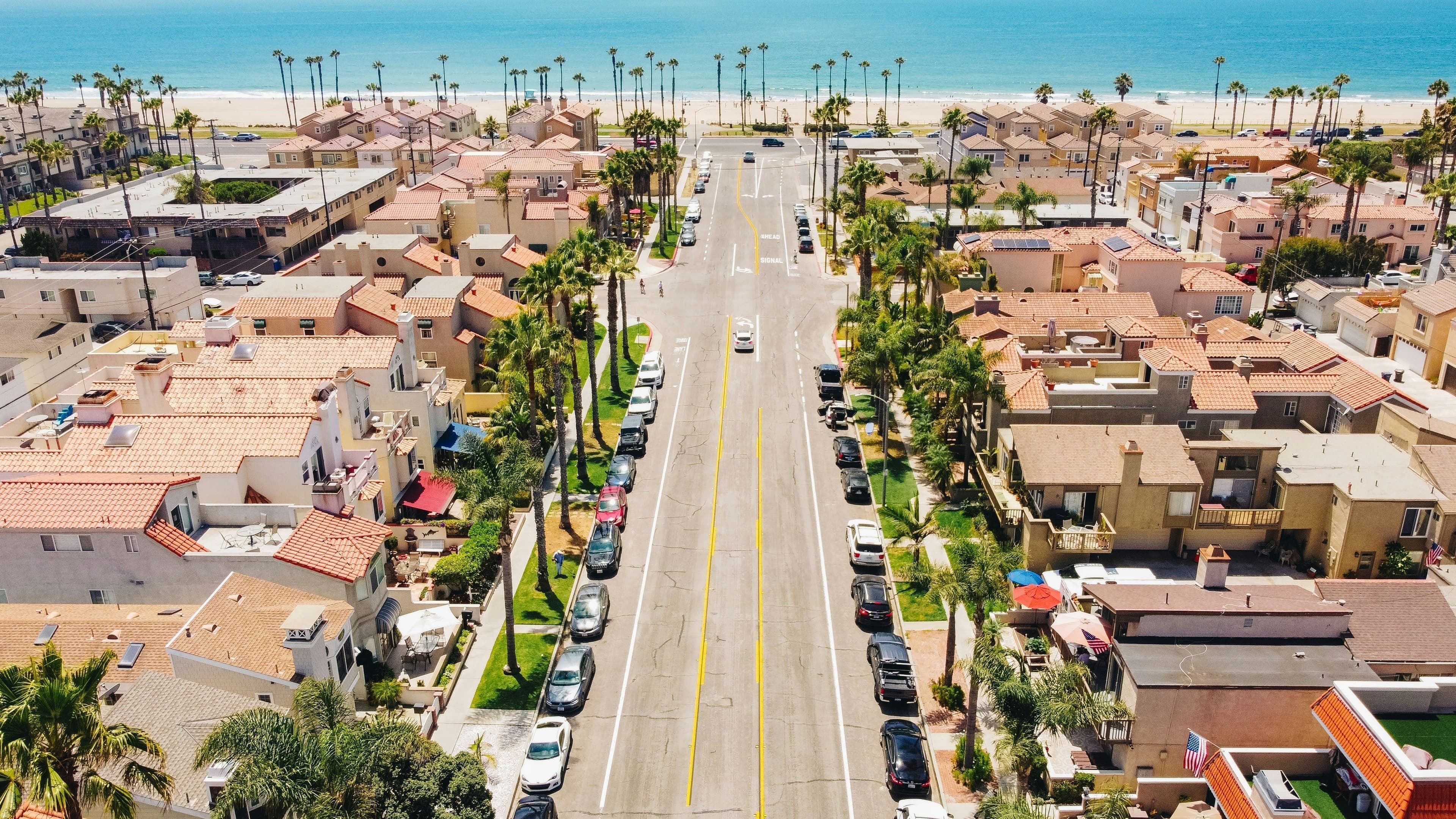
Large free parking area with direct access to the beach and promenade.
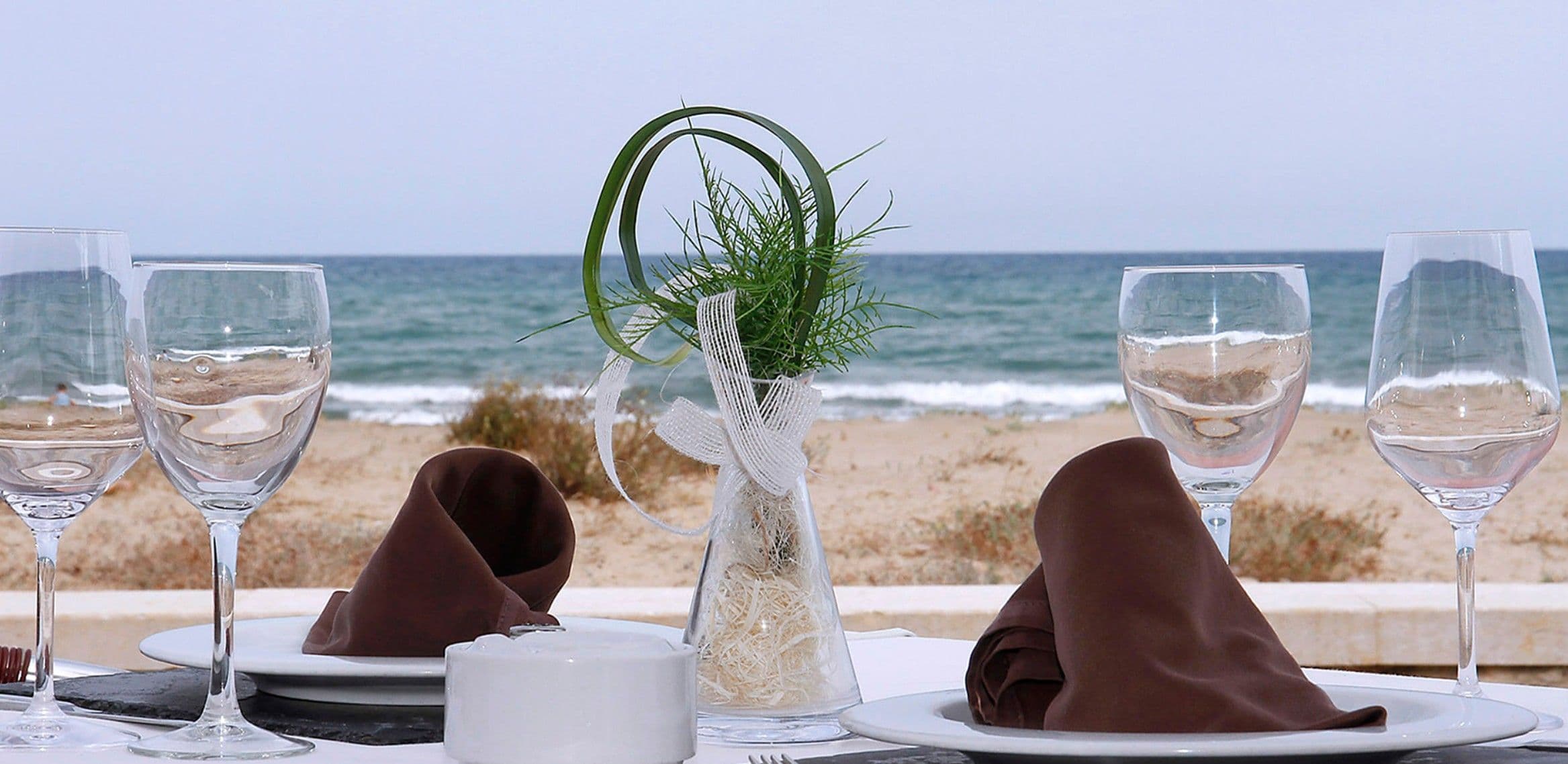
Galli is a Mediterranean restaurant where fresh produce, rice dishes, and traditional flavors take center stage. A welcoming, family-friendly space to enjoy classic cuisine by the sea.
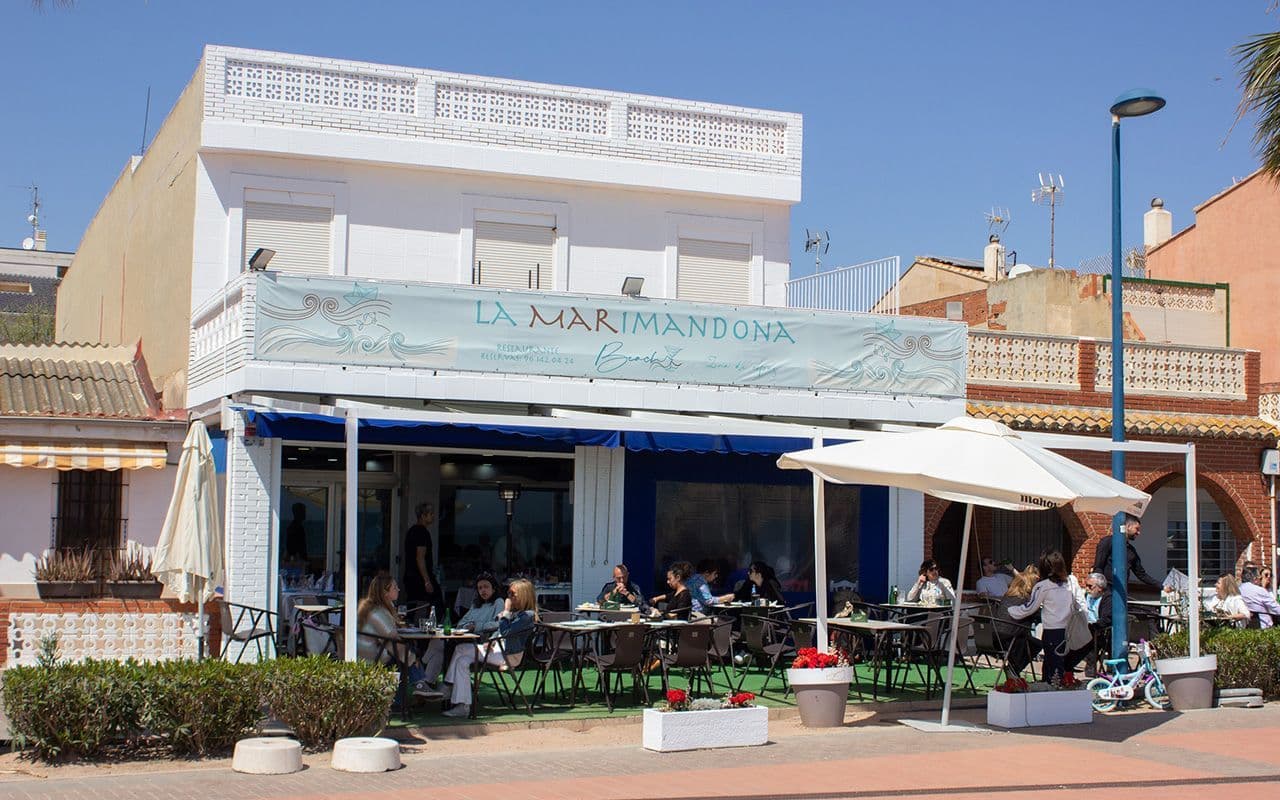
La Marimandona Beach offers a fresh and relaxed experience by the Mediterranean, with a fusion of Valencian and Italian cuisine, and in a relaxed atmosphere with sea views as the perfect setting to share great moments.
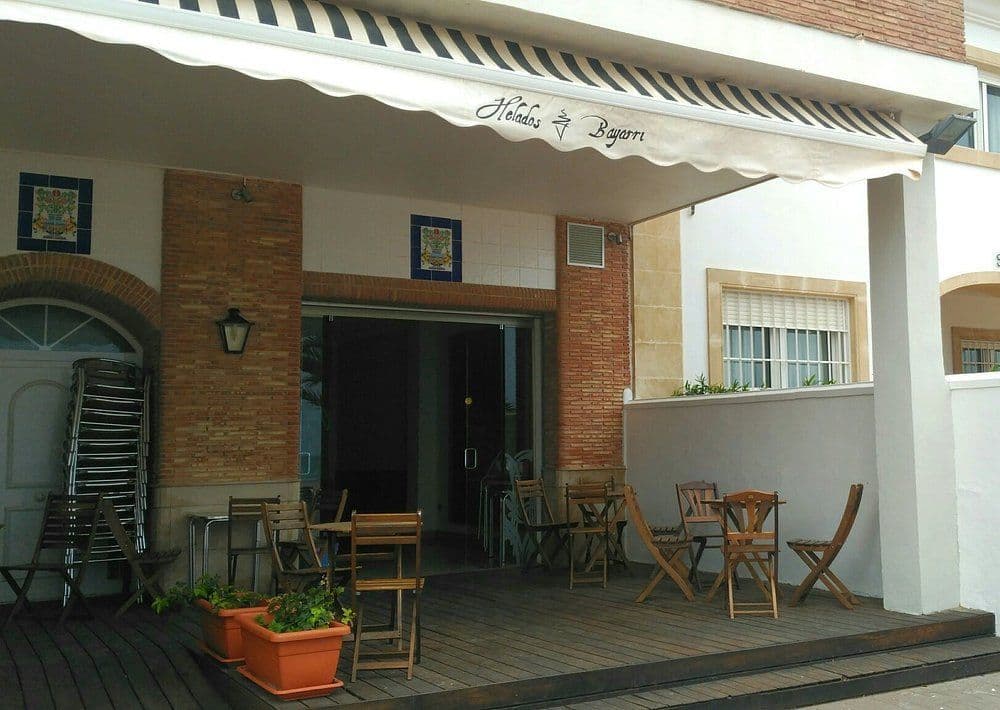
Helados Bayarri is an ice cream shop designed to enjoy the most refreshing flavors by the sea, with horchata and a wide variety of ice creams in an environment perfect for sharing moments with family or friends.
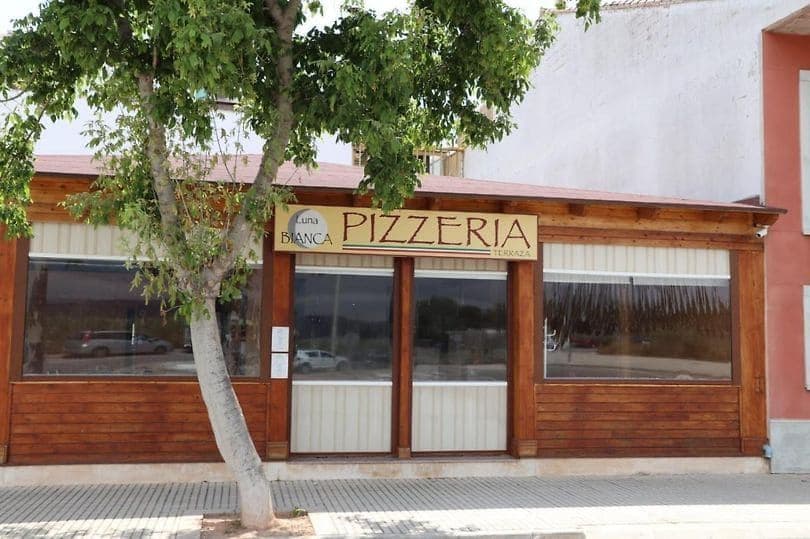
Luna Bianca is a cozy pizzeria with a friendly, family atmosphere. Artisan pizzas, pastas, and authentic flavors make every visit a memorable experience to enjoy and share.
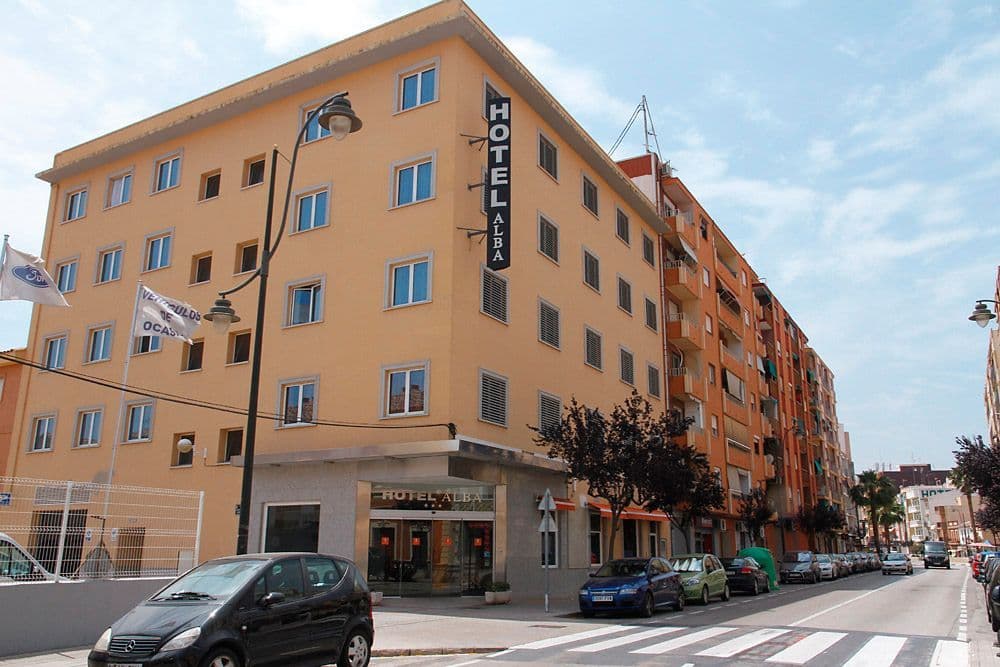
Modern and functional hotel, ideal for business stays or getaways near Valencia.
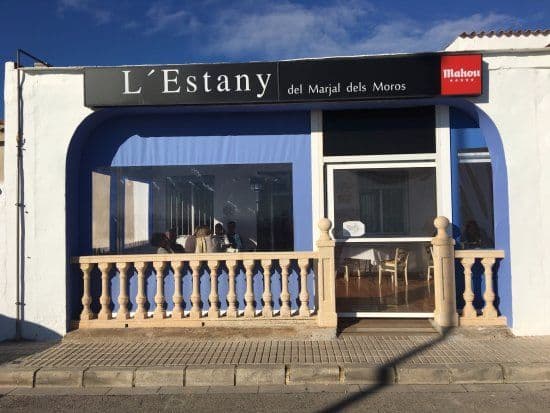
L’Estany is a restaurant that offers an experience linked to the rhythms of the sea and Mediterranean coastal culture. In a rustic setting, surrounded by nature, its menu features rice dishes, fresh fish, and grilled meats, with a Valencian essence alongside the Marjal dels Moros wetlands.

Quiet and welcoming campsite with a family atmosphere next to the Mediterranean Sea.
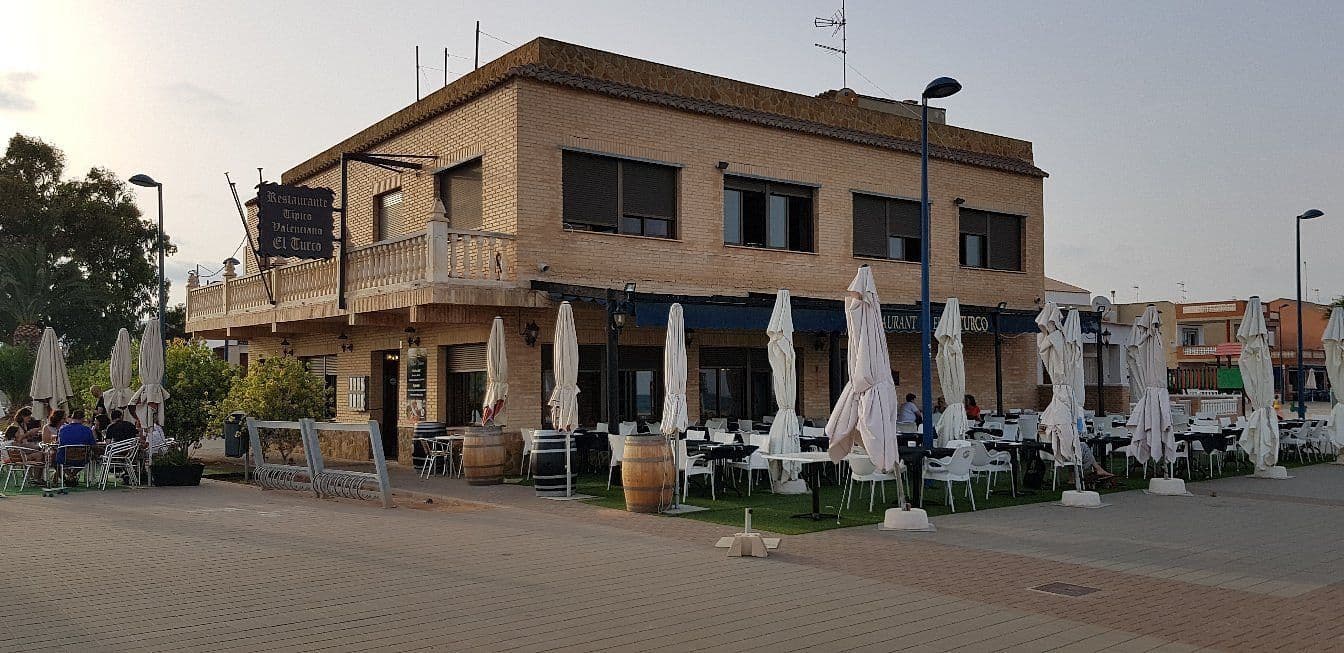
A restaurant with a Mediterranean essence where you can enjoy rice dishes, tapas, and fish from traditional Valencian cuisine in a friendly and welcoming atmosphere. El Turco combines a warm, family-friendly atmosphere with authentic flavors overlooking the sea in Puçol.
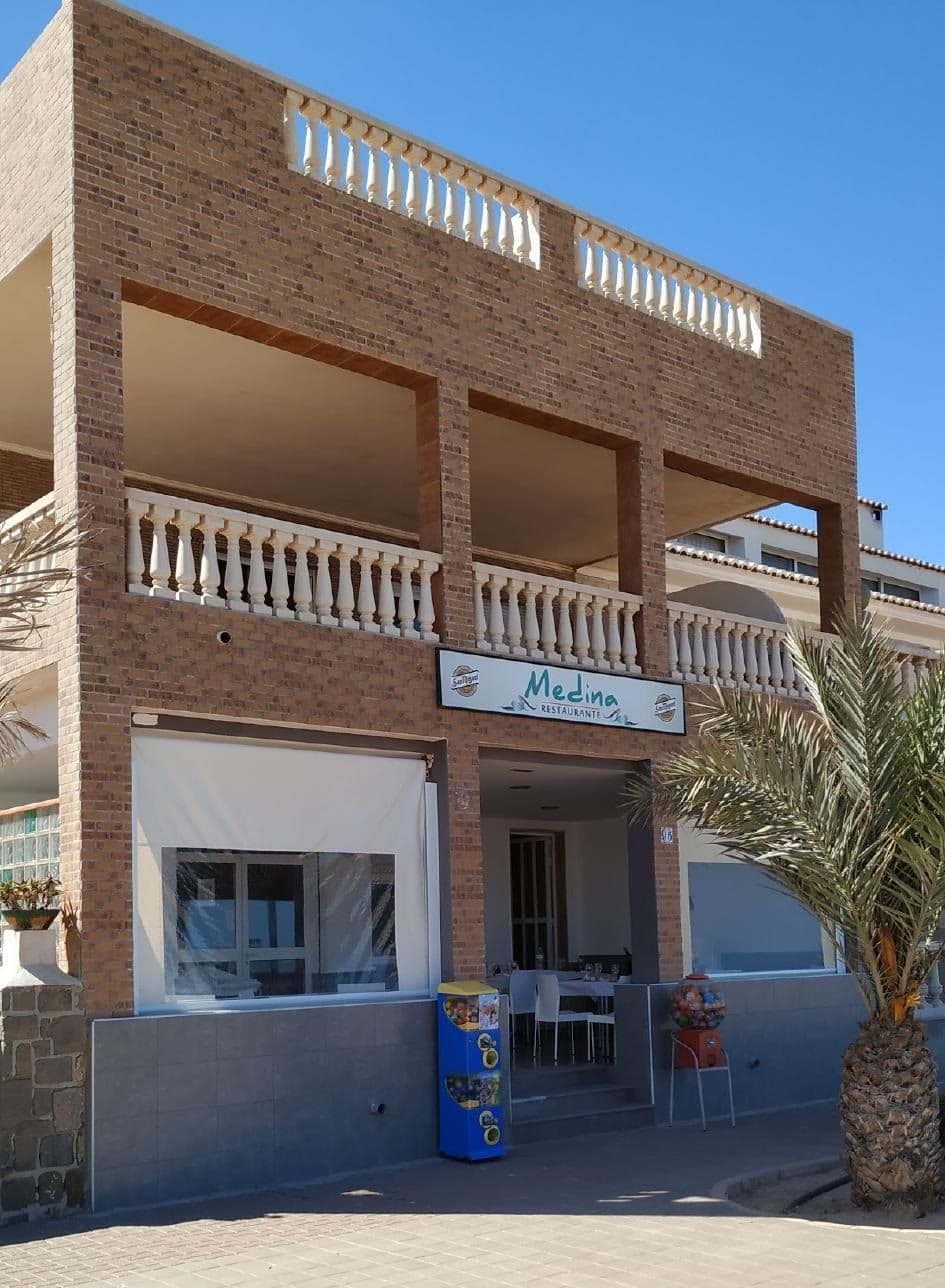
Bar Medina is a traditional meeting point on Puçol beach, ideal for enjoying tapas, meals and a friendly and relaxed atmosphere at any time of day.
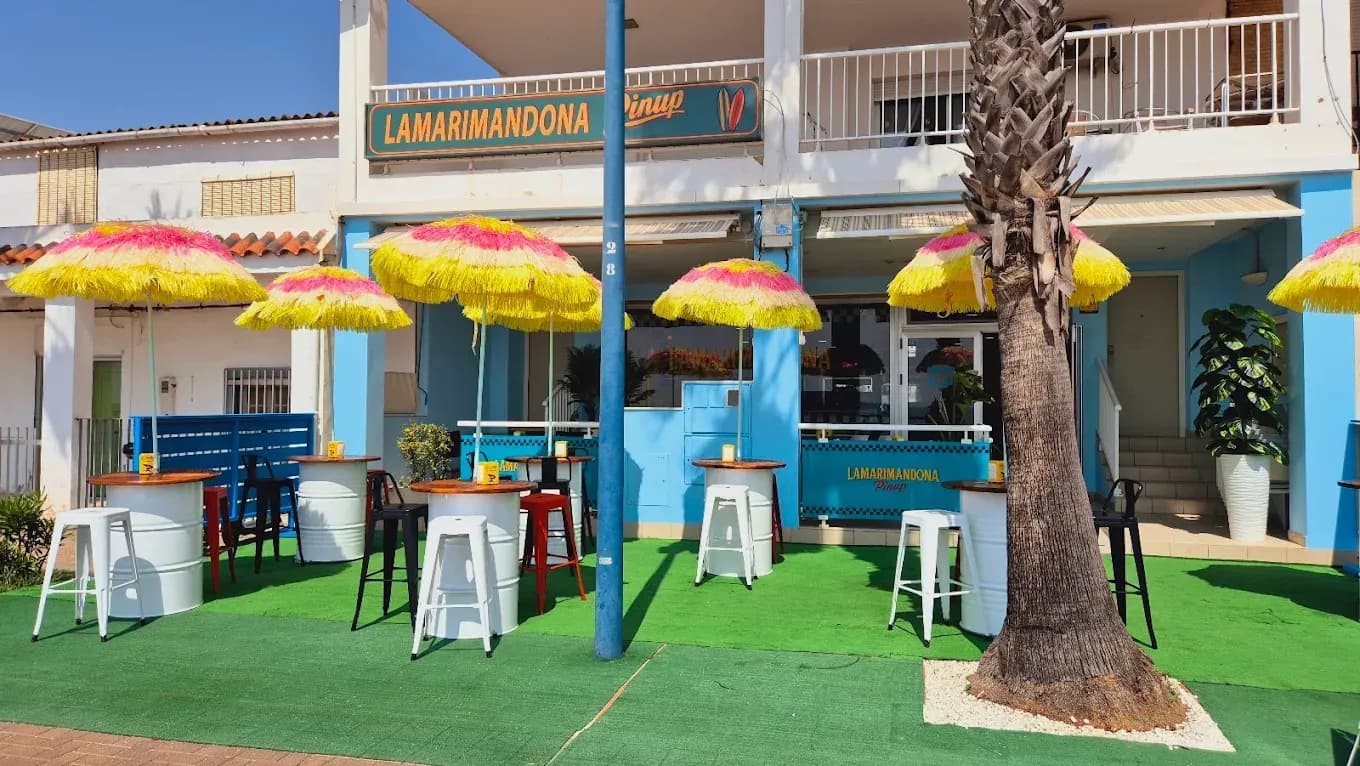
La Marimandona PinUp combines style and fun in its retro decor and musical ambiance. A place designed to enjoy great burgers and a variety of options from other culinary cultures.
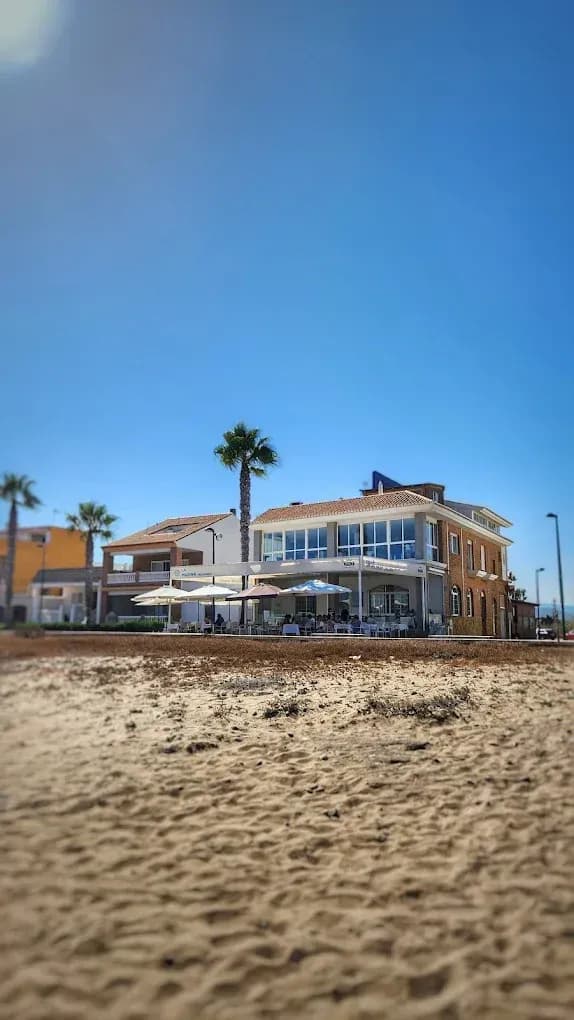
La Marina is a renowned restaurant on Puçol beach, specializing in Mediterranean cuisine, rice dishes, and fresh seafood. It's a place designed for enjoying tradition, flavor, and tranquility overlooking the Mediterranean.
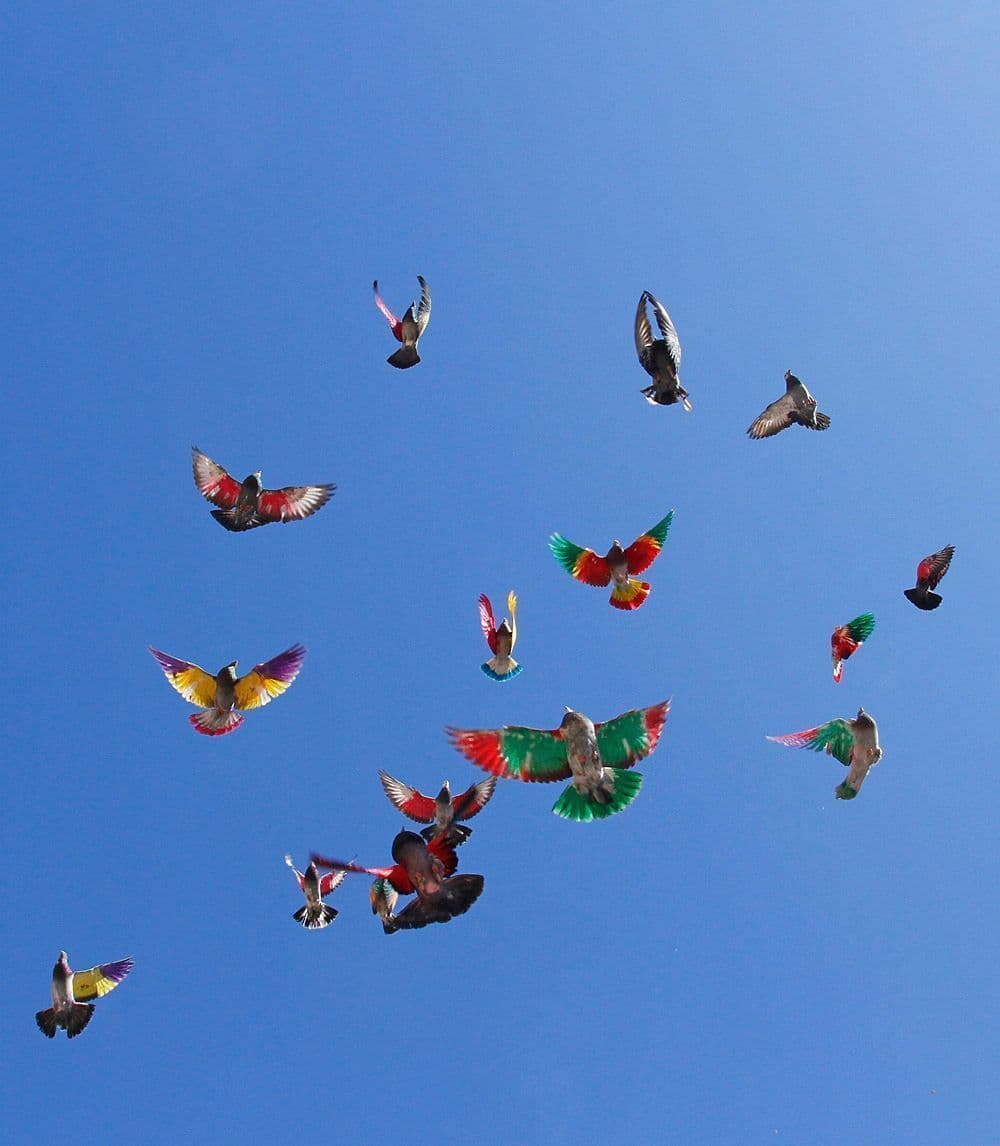
Traditions
Short description for Traditions

Sun and beach
Puçol beach offers you different possibilities, from scuba diving activities to moments of complete tranquility under the warm Mediterranean sun, all backed by three quality distinctions

Typical dishes
Paella, rabbit, eels or stew are the traditional first courses, always accompanied by sweets such as brazo de gitano or torta, not forgetting the orange
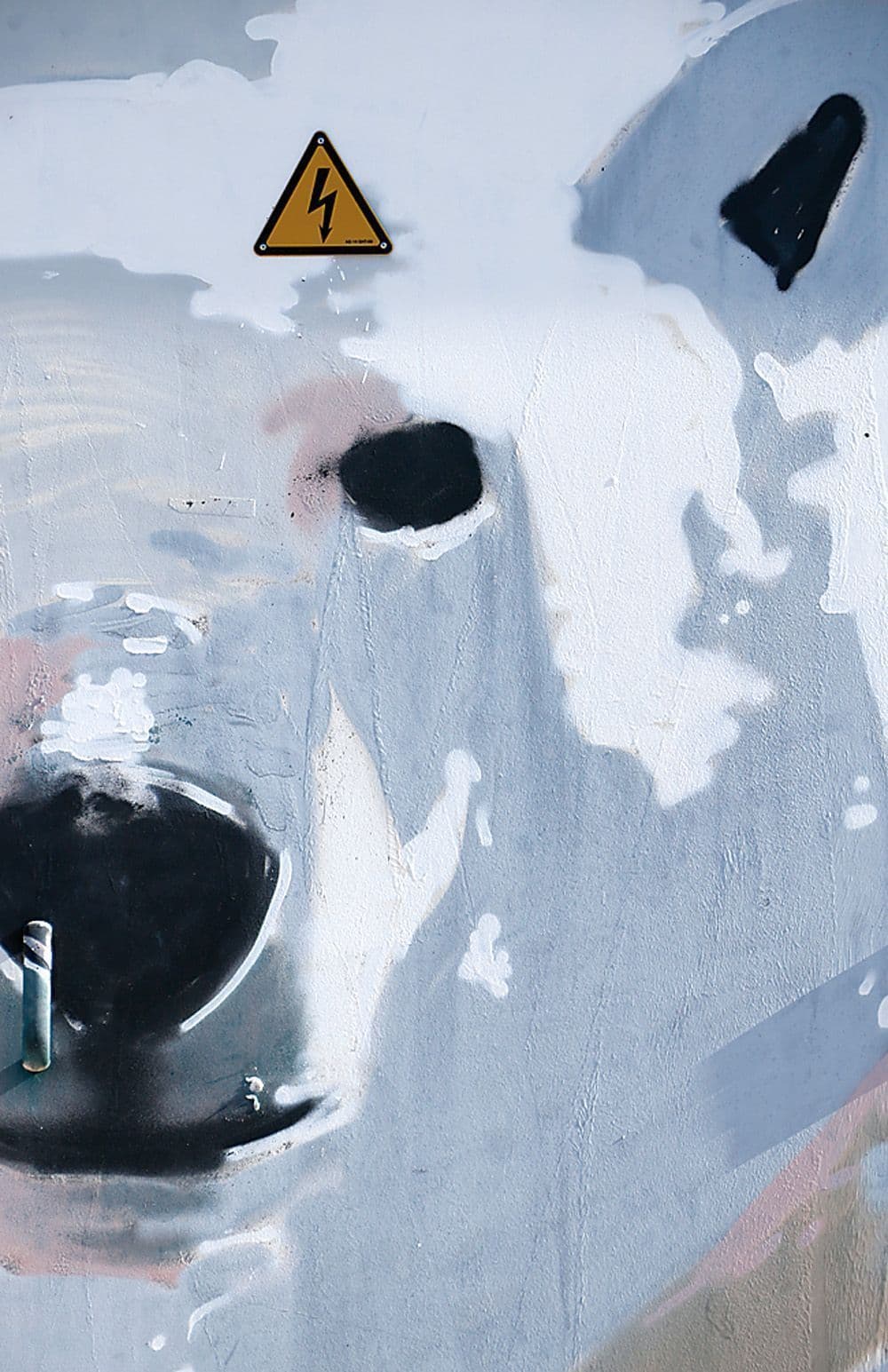
Open-air museum
The competition helps to position graffiti as an artistic expression of interest to the general population, helping to improve their quality of life by enhancing the environment.
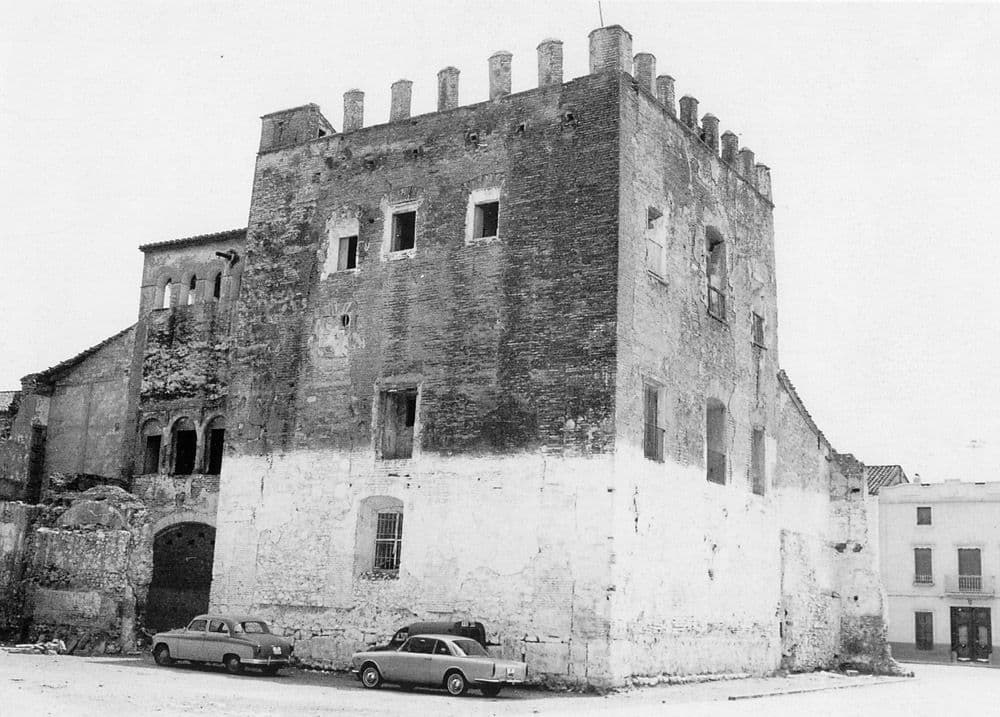
History
The origins of Puçol date back to Roman times, when it was called Puteus, which means "Well"
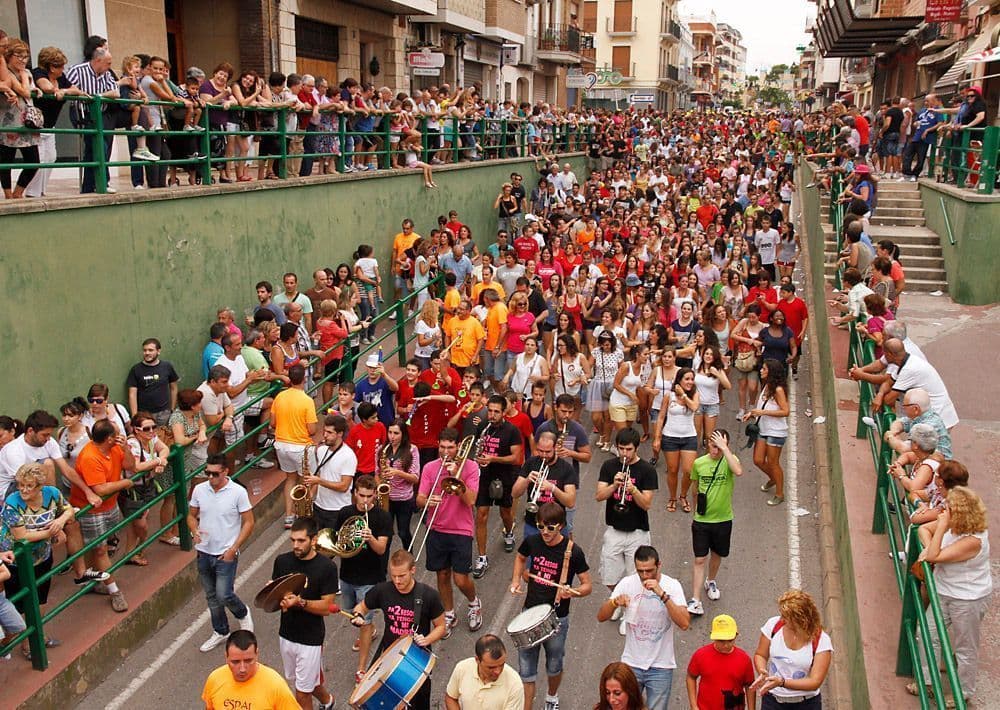
Parties
Short description for parties
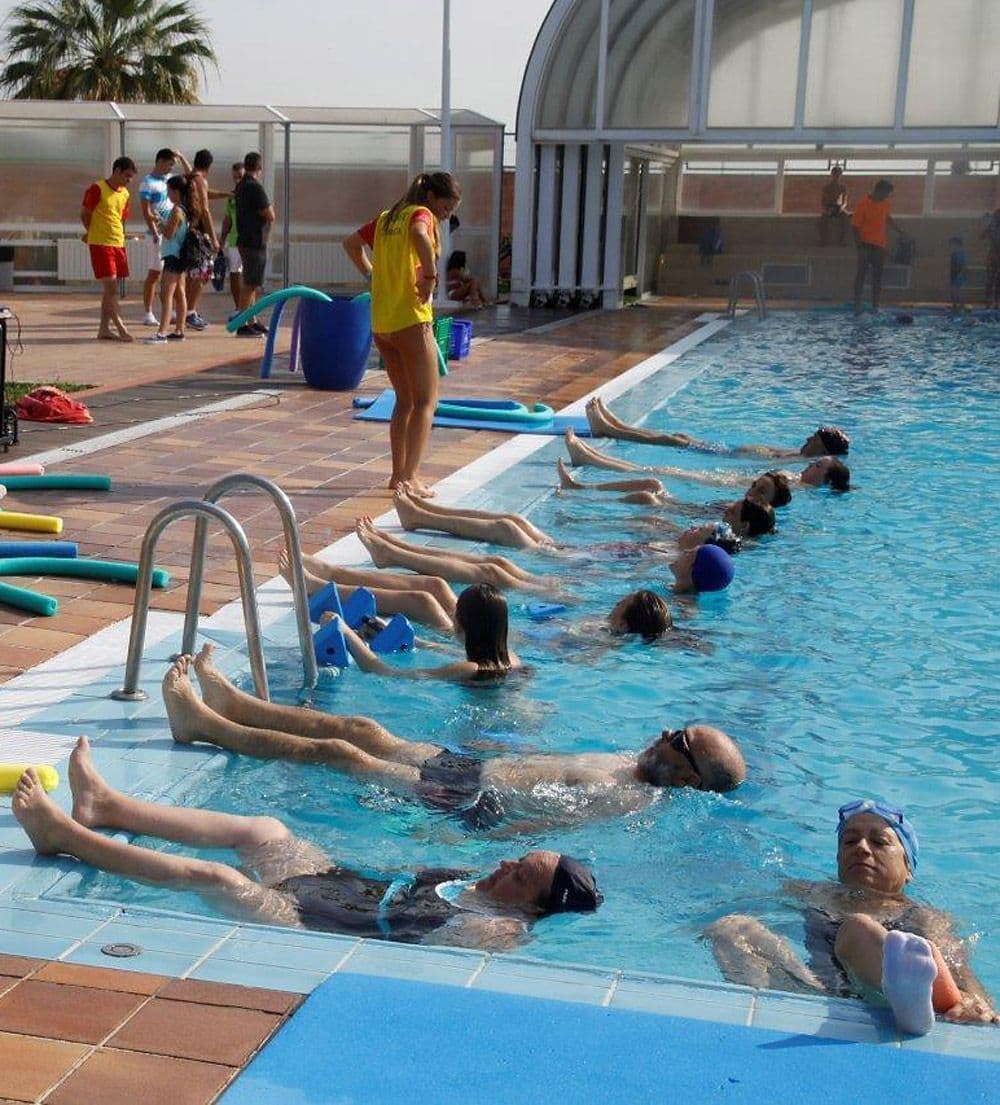
Sports
Short description: Sports
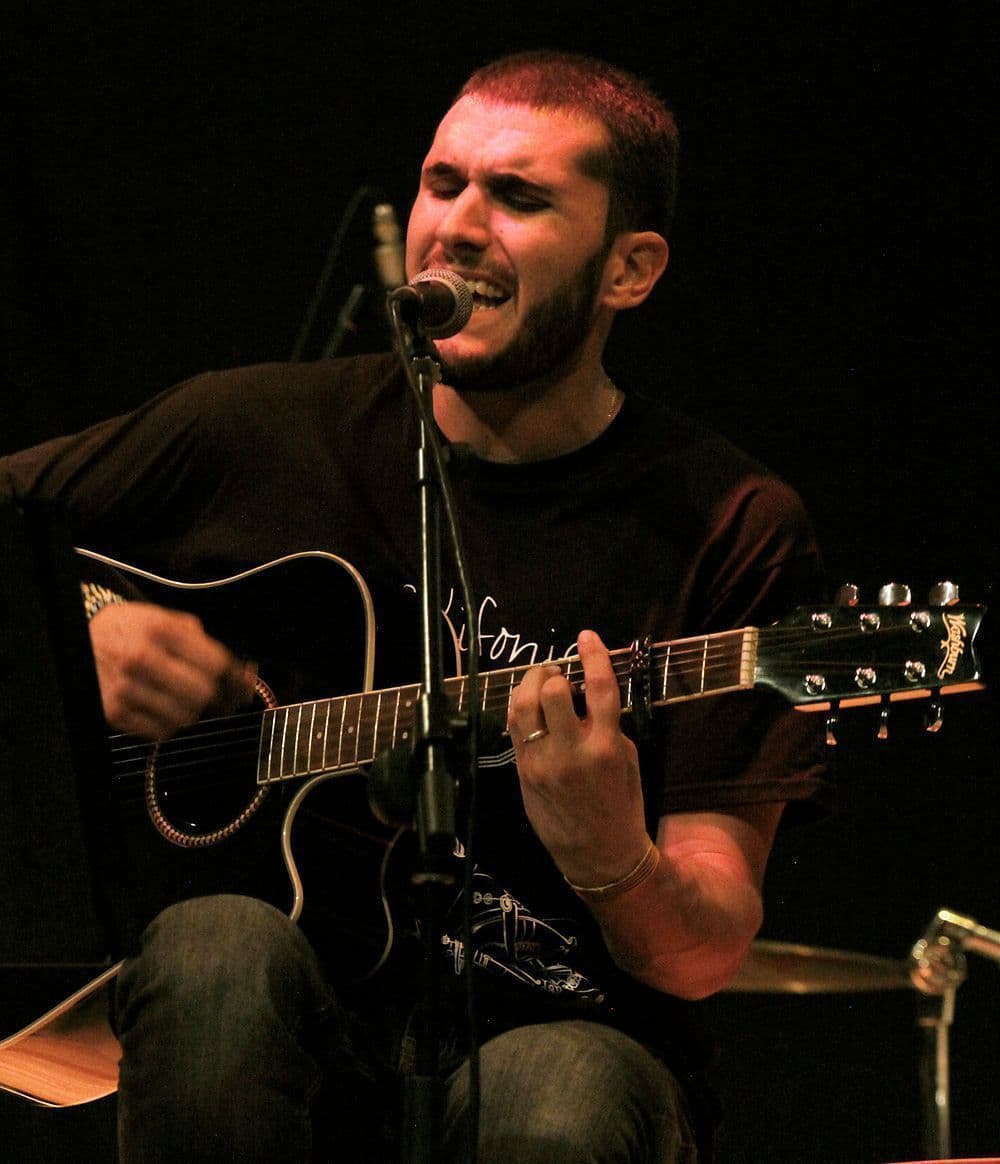
Culture
Short description of culture