Seaside Walk
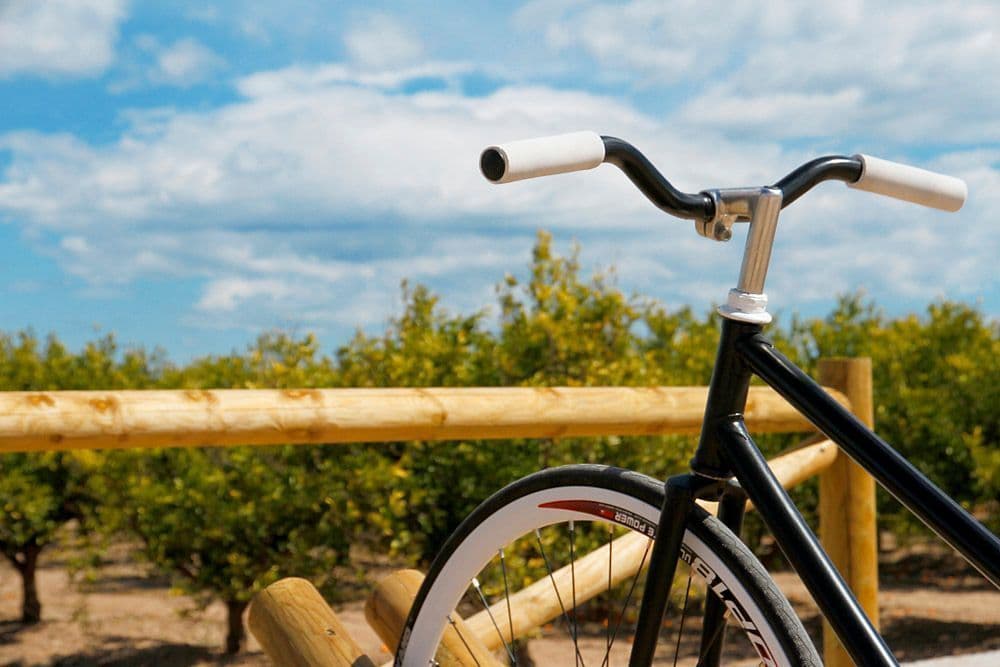
Pedestrian and cycling axis that connects the heart of the town with the breeze of the beach and the sea.

QUICK GUIDE

Create your own itinerary
Follow these 4 steps to save your personalized visit plan.
Add places
Press "Add to itinerary" on any landmark, route or service you see.
Order your plan
Drag places to reorganize the route to your liking.
Create the itinerary
Press "Create Itinerary" and save the generated link so you don't lose it.
Download as PDF
If you wish, export the full itinerary to take it offline.
 Natural space
Throughout history, humanity has used plants primarily for economic purposes, both directly for their products (fruits, seeds, wood, etc.) and indirectly as livestock feed. Parks and gardens are an exception to this general rule, where utility becomes aesthetic, thus distinguishing them from orchards and cultivated fields.
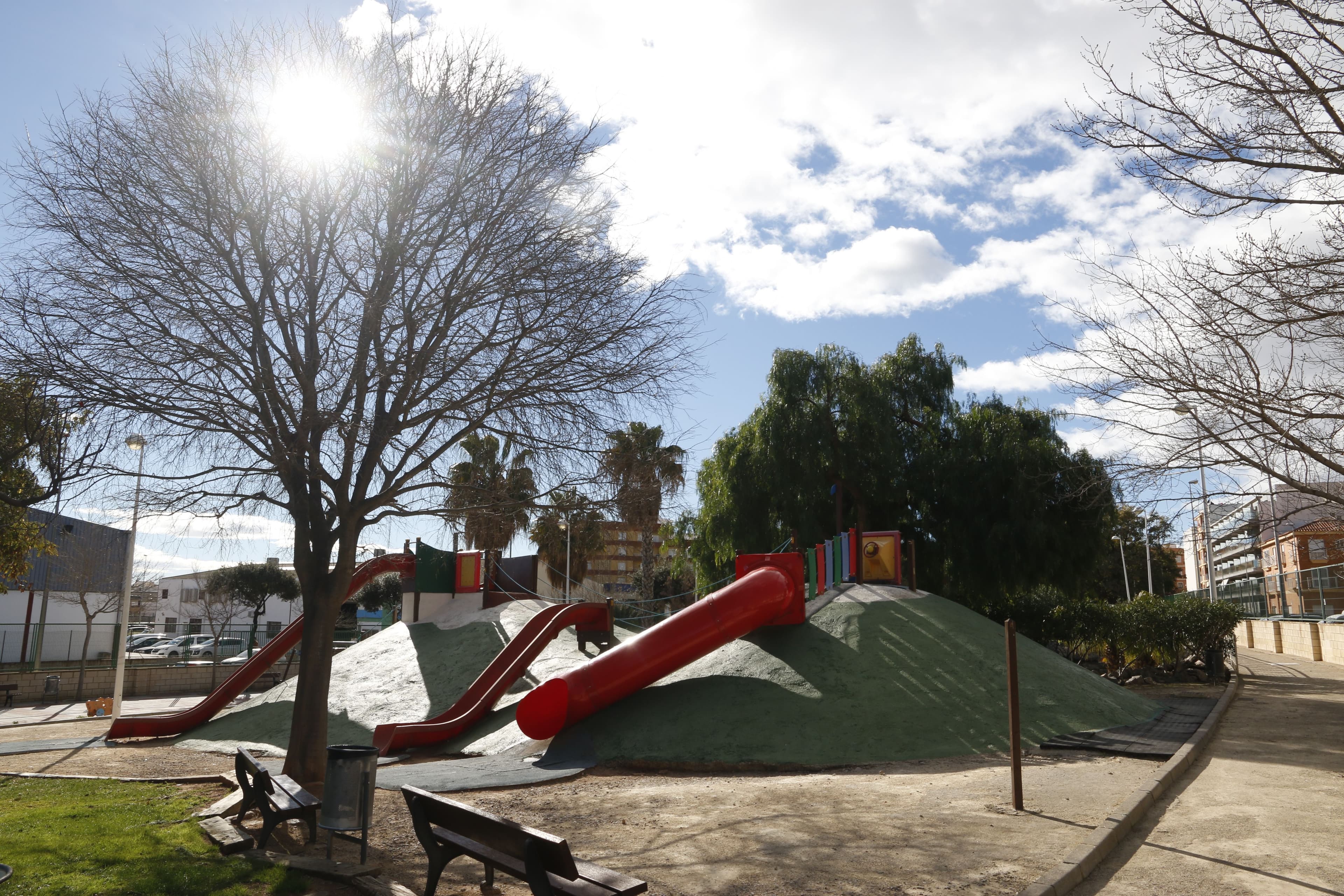
Ribelles Park was inaugurated on May 25, 1999, during the mayorship of Josep Vicent Cuello. It is of modest size, occupying an elongated plot of 11,700 m² to the west of the Spi1 industrial park, between Els Ports Street and Collidors Avenue.
The park is named in honor of the poet Josep Maria Ribelles i Llobat, from Puçols.
When designing the park and selecting the tree and shrub species, the English garden model was followed, in which the plants and spaces appear "natural" and spontaneous. There is no rational, French-style layout, nor are there any philosophical or spiritual patterns typical of Eastern gardens.
Inside the park, you'll find rinks for skating and skateboarding, a children's play area with slides and swings, and a small stage surrounded by tiered seating.
There is also an aviary with various birds and a two-tiered pond inhabited by carp and aquatic plants.
Among the trees and shrubs in the park are native species and those of peri-Mediterranean origin, traditionally planted in our region, such as olive and carob trees, alongside others common in European parks, like plane trees and magnolias. Some trees that are relatively new to our streets and squares also appear, and their common names are still unknown to the public. Examples include brachychitons and tipuanas.
Some tree species have been present in gardens and ornamental parks since their origins.
Some, native to cold and humid areas, are deciduous trees with spectacular stature, typical of European parks. However, they suffer greatly from Mediterranean heat and drought. There are exceptions, among which the London plane (Platanus x hybrida) stands out. It is very common in our parks and gardens and along the verges of old national highways. The oriental arborvitae (Platycladus orientalis) is used in flowerbeds and hedges. In Ribelles Park, there is also a beautiful specimen of magnolia (Magnolia grandiflora) as an example of this group.
Others, of a more modest size, are planted along the sidewalks of streets and avenues, where their presence and shade are appreciated, although occasionally one might hear a complaint about the nuisance caused by their falling leaves, flowers, or fruit. Common among the deciduous trees are the box elder (Acer negundo), the Judas tree (Cercis siliquastrum), and the cherry plum (Prunus cerasifera), while the evergreens include the privet (Ligustrum lucidum) and the Peruvian pepper tree (Schinus molle). All of these are present in Ribelles and also along the town's streets.
In recent decades, a number of tree species of subtropical origin have arrived in our streets and gardens. These species are perfectly adapted to the Mediterranean climate, characterized by high temperatures and periods of low rainfall. Despite this good adaptation, the change of environment causes them some difficulties in deciding when to flower or produce leaves.
We can include in this group a representative of the bottle trees, such as the brachychiton (Brachychiton polpulneus), as well as false acacias from the Americas, such as the jacaranda (Jacaranda mimosifolia) or the tipuana (Tipuana tipu), along with tropical fig trees of the genus Ficus (Ficus nitida) and shrubs trained to be transformed into small trees, such as the poinsettia (Euphorbia pulcherrima) or the Syrian hibiscus (Hibiscus syriacus).
The term “native” refers to something that originates from a place. In our case, we are talking about trees and shrubs native to the Mediterranean basin that have been traditionally cultivated for their products and not for their aesthetic value. This means that, with some exceptions, they are not common in parks or on streets and avenues.
Thus, we can find fruit-bearing species such as the carob tree (Ceratonia siliqua), the stone pine (Pinus pinea), the olive tree (Olea europaea), or the holm oak (Quercus ilex); others valued for their leaves, such as the white mulberry (Morus alba) and the bay laurel (Laurus nobilis); or for their wood, such as the cypress (Cupressus sempervirens) or the hackberry (Celtis australis). There are even those cultivated for their bark, like the cork oak (Quercus suber), which provides cork. The wood of the oleander (Nerium oleander) does not swell with moisture and is useful in the manufacture of whistles and reed flute mouthpieces.
Of all these, only cypresses and oleanders have traditionally been considered ornamental, although hackberry and mulberry trees have recently been added to the group.
Palm trees are monocotyledonous plants, meaning they have only one cotyledon (the first leaf in germination) in the seed, and most are annual herbs without true wood and without branching. Reeds, cattails, and palms are examples of monocotyledons that live for several years but meet the other characteristics mentioned.
Within this group, palm trees are the largest, as some species can reach 30 meters in height. Most of the 2,400 species are tropical; in Western Europe, there is only one native species: the dwarf palm (Chamaerops humilis). In addition to these, the Ribelles area also contains examples of pinnatisect palms (with elongated leaves and leaflets arranged in two rows) such as the Canary Island date palm (Phoenix canareiensis) and the date palm (Phoenix dactylifera), along with other palmatisect palms (leaves with leaflets arranged in a fan shape at the end of the petiole) such as Washingtonia robusta and W. filifera.
The banana tree (Musa x paradisiaca), a monocotyledon, has also been added to this group, although it does not belong to the palm family.
Pedestrian and cycling axis that connects the heart of the town with the breeze of the beach and the sea.
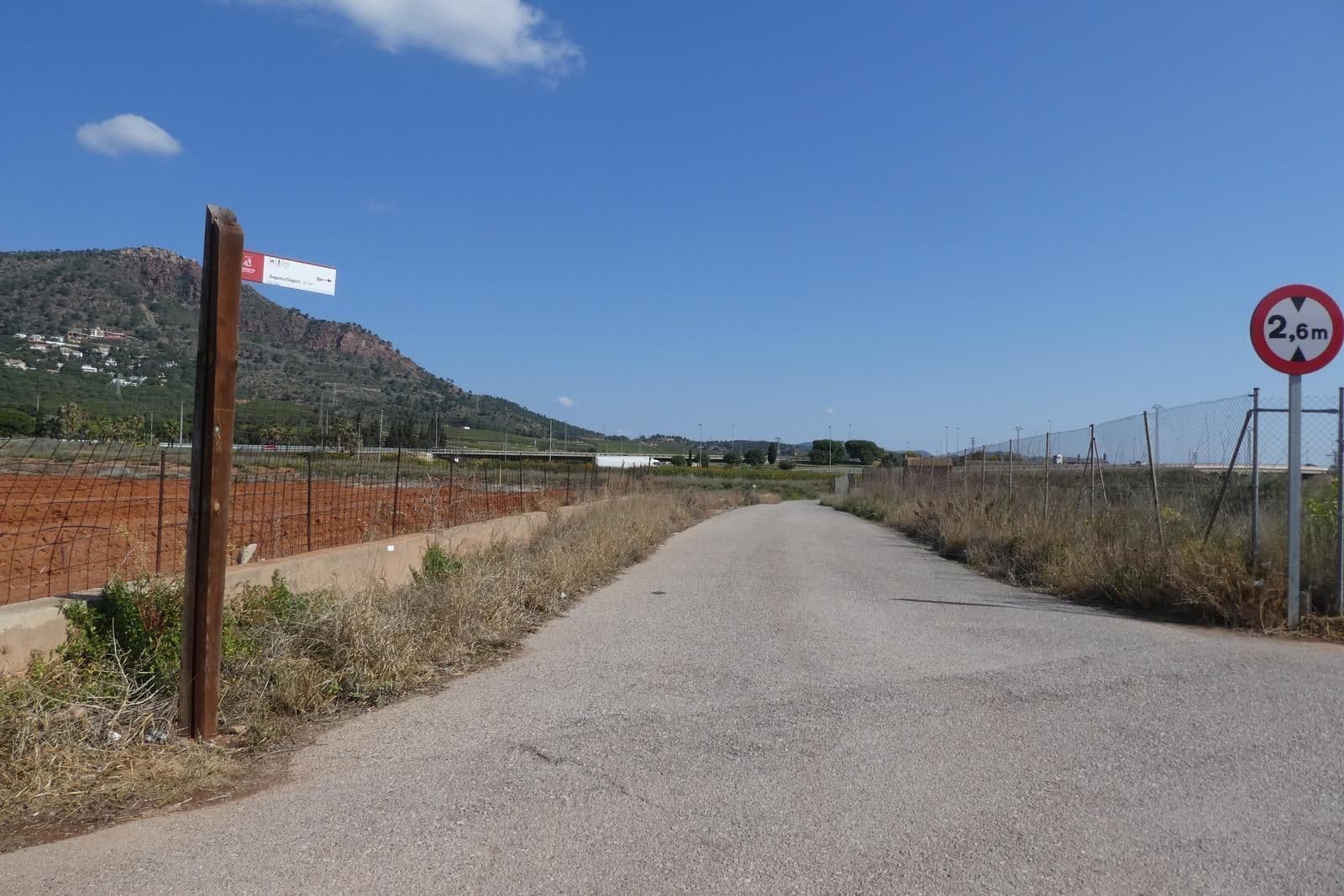
Historical-literary itinerary that follows in the footsteps of the Castilian knight Rodrigo Díaz de Vivar.
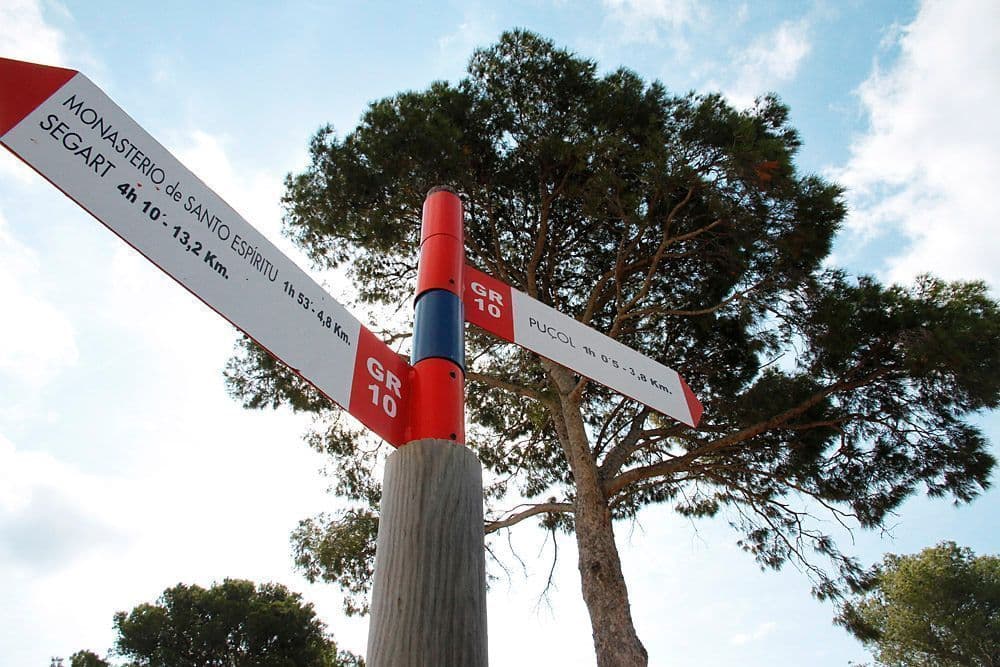
The longest trail on the Iberian Peninsula, linking the Mediterranean with the Atlantic. A trans-Iberian crossing that begins in the heart of our municipality.
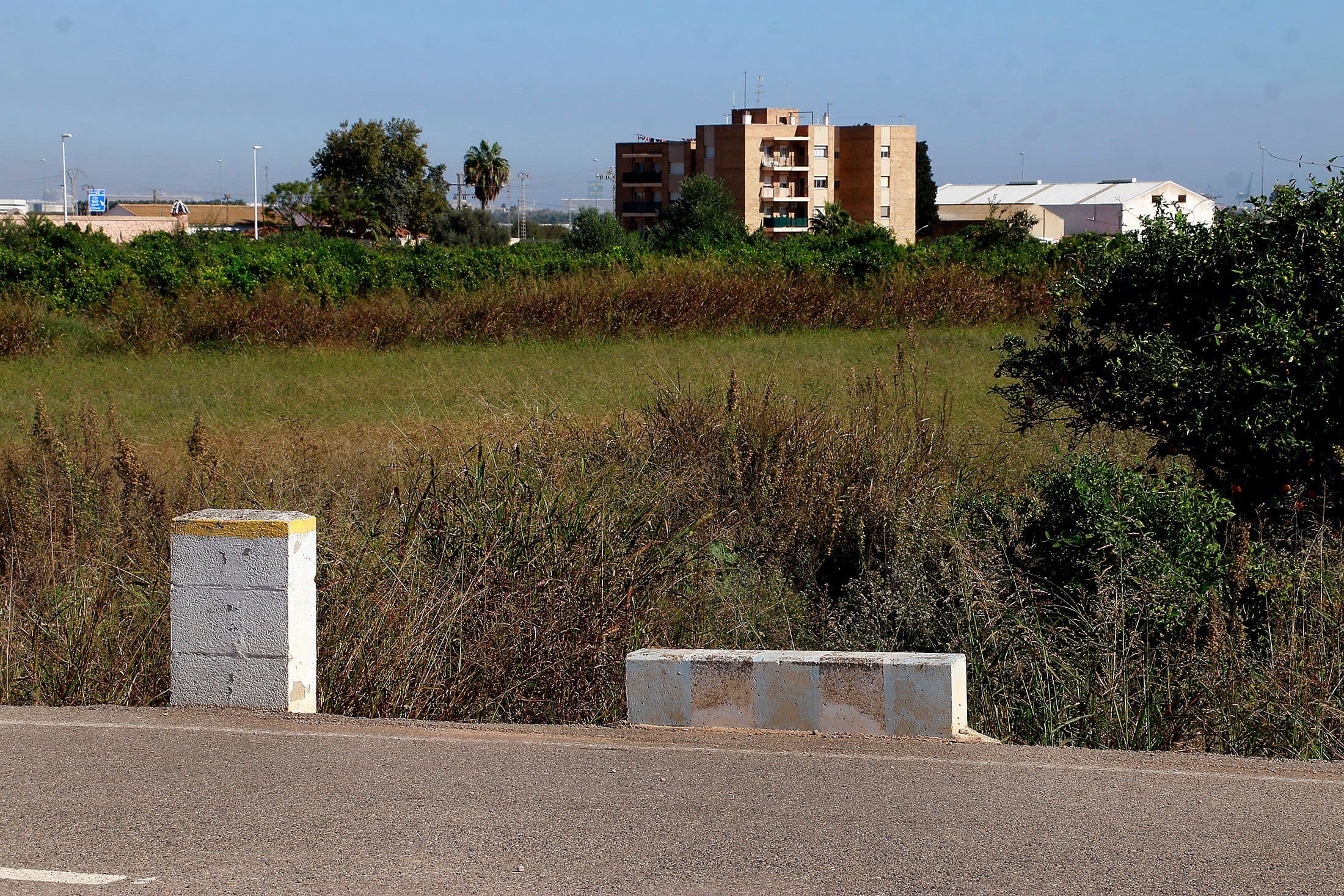
The longest Roman road in Hispania. A cultural and scenic route that skirts the Mediterranean, linking the Pyrenees with Cádiz.
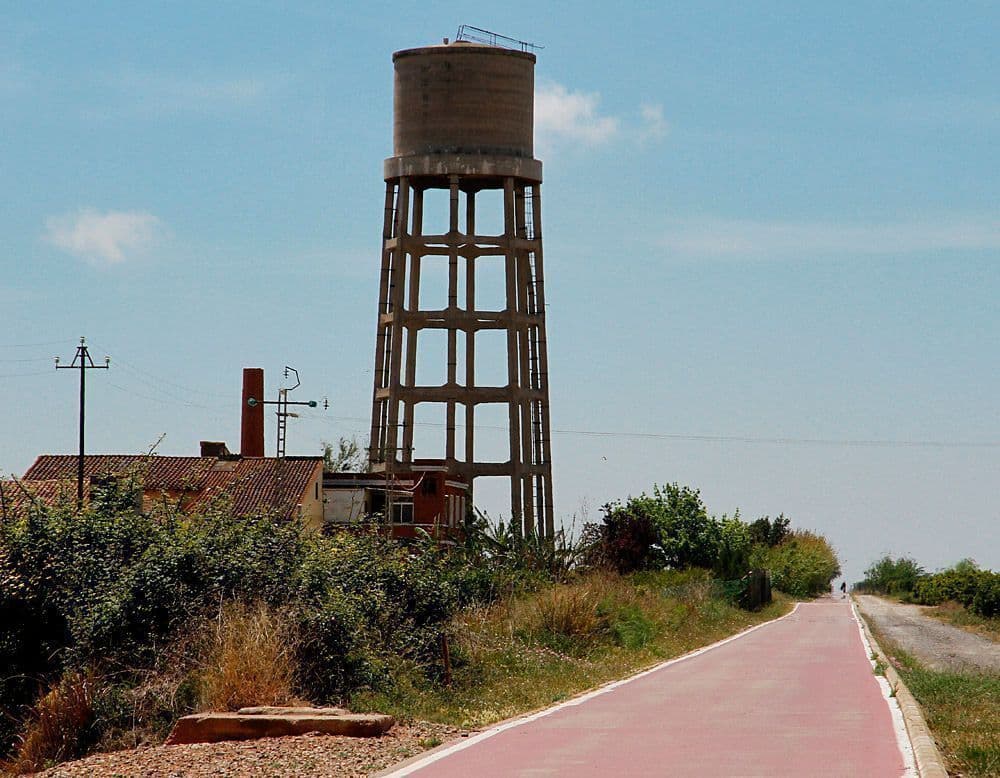
A cycle and pedestrian path that follows the route of the old mining railway. A peaceful walk through orchards that connects Puçol with Valencia.
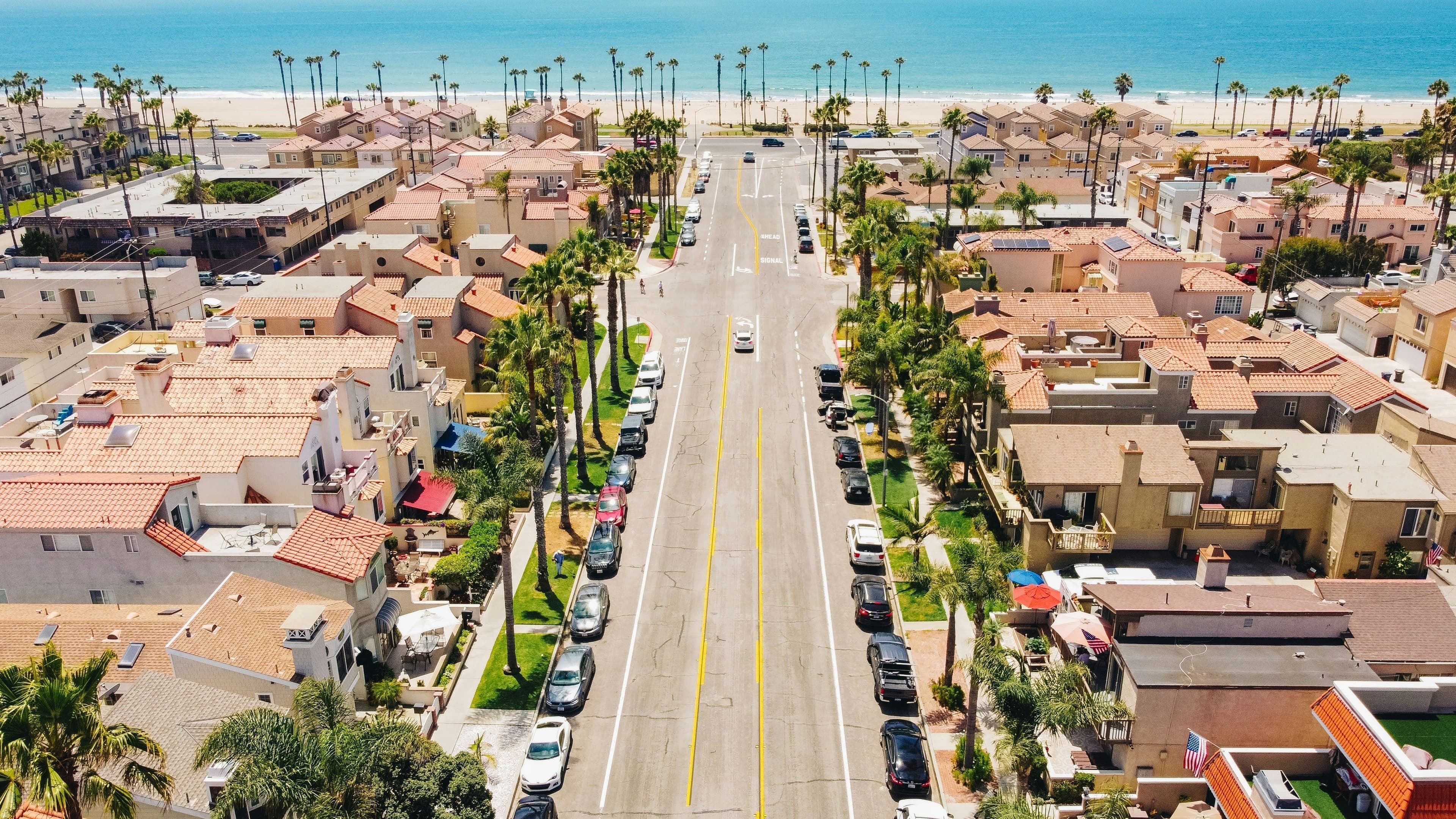
Large free parking area with direct access to the beach and promenade.
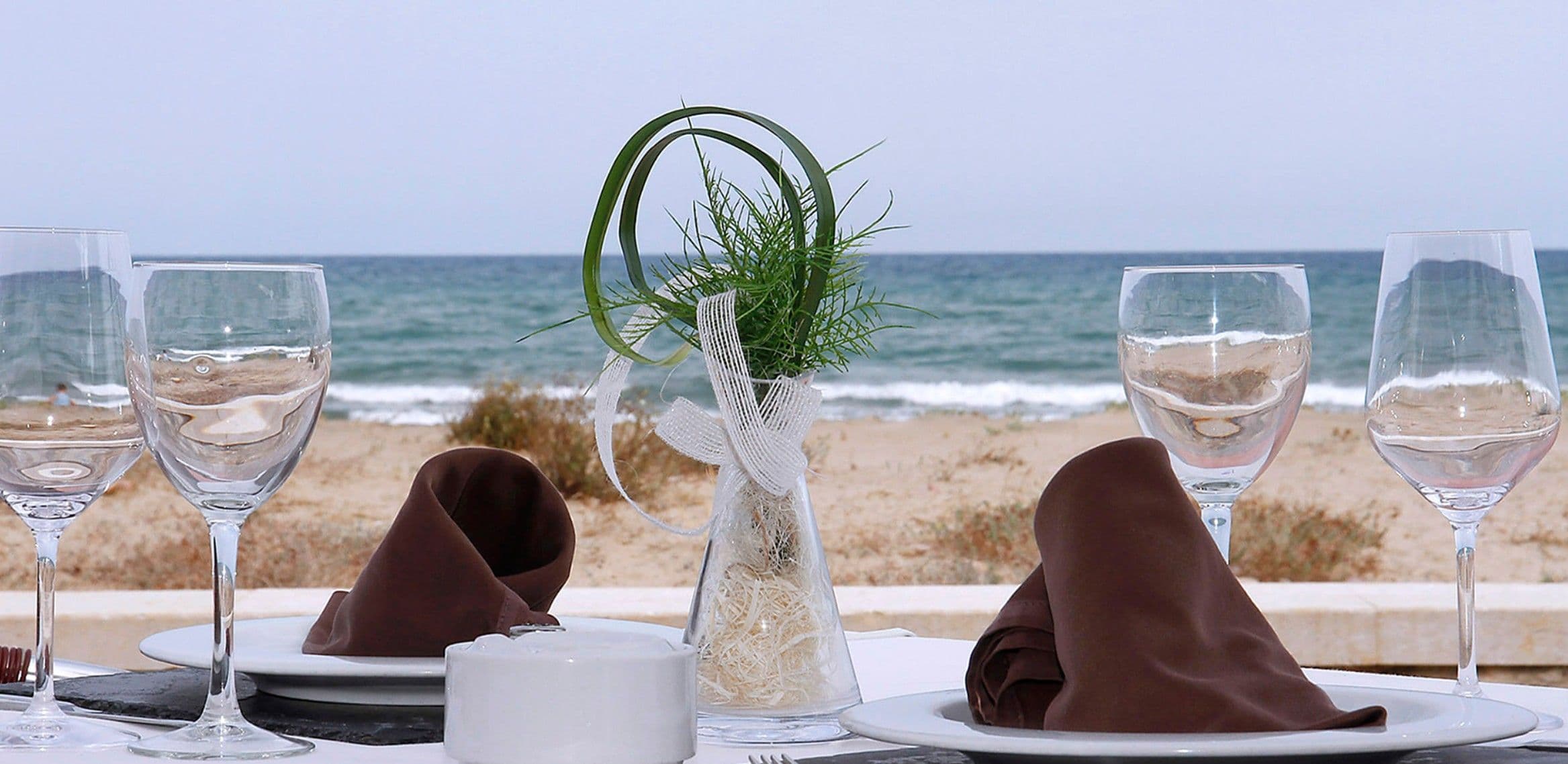
Galli is a Mediterranean restaurant where fresh produce, rice dishes, and traditional flavors take center stage. A welcoming, family-friendly space to enjoy classic cuisine by the sea.
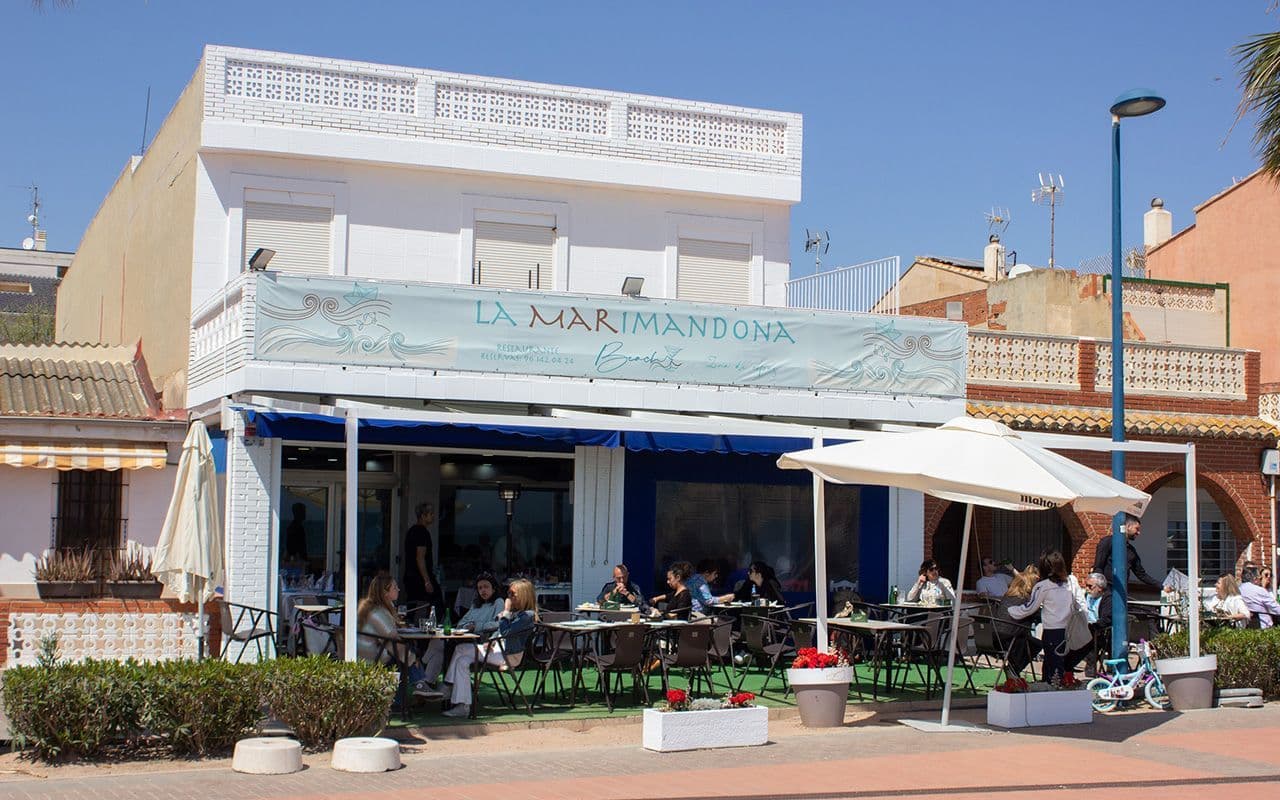
La Marimandona Beach offers a fresh and relaxed experience by the Mediterranean, with a fusion of Valencian and Italian cuisine, and in a relaxed atmosphere with sea views as the perfect setting to share great moments.
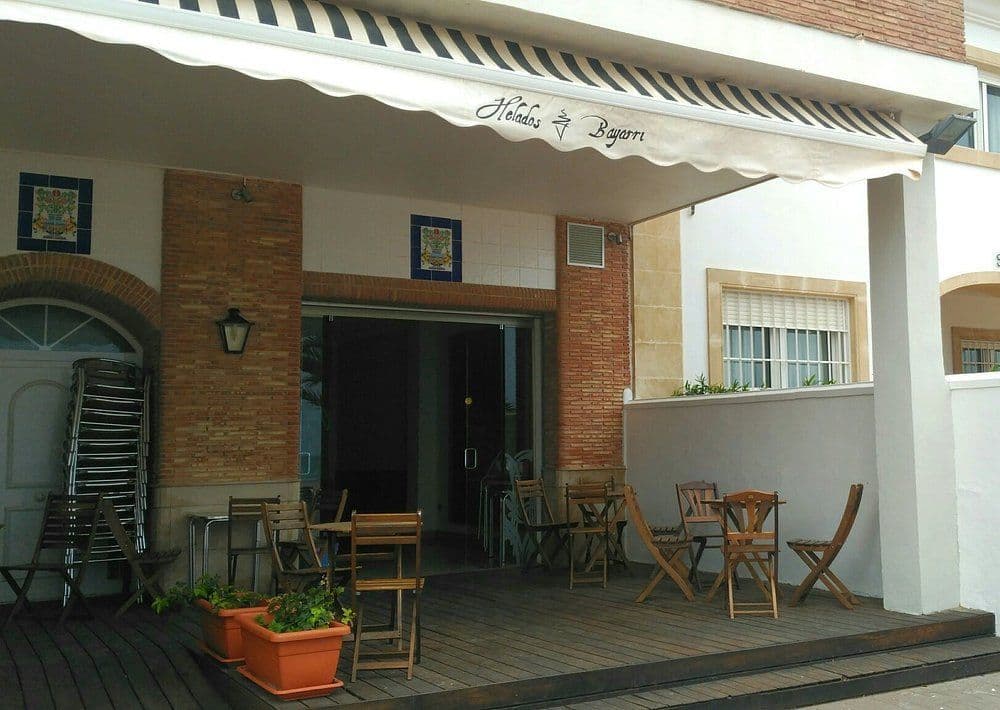
Helados Bayarri is an ice cream shop designed to enjoy the most refreshing flavors by the sea, with horchata and a wide variety of ice creams in an environment perfect for sharing moments with family or friends.
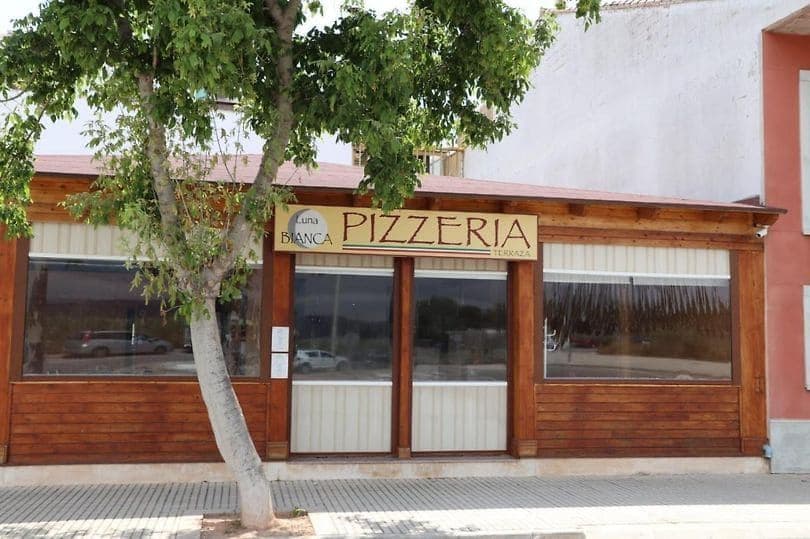
Luna Bianca is a cozy pizzeria with a friendly, family atmosphere. Artisan pizzas, pastas, and authentic flavors make every visit a memorable experience to enjoy and share.
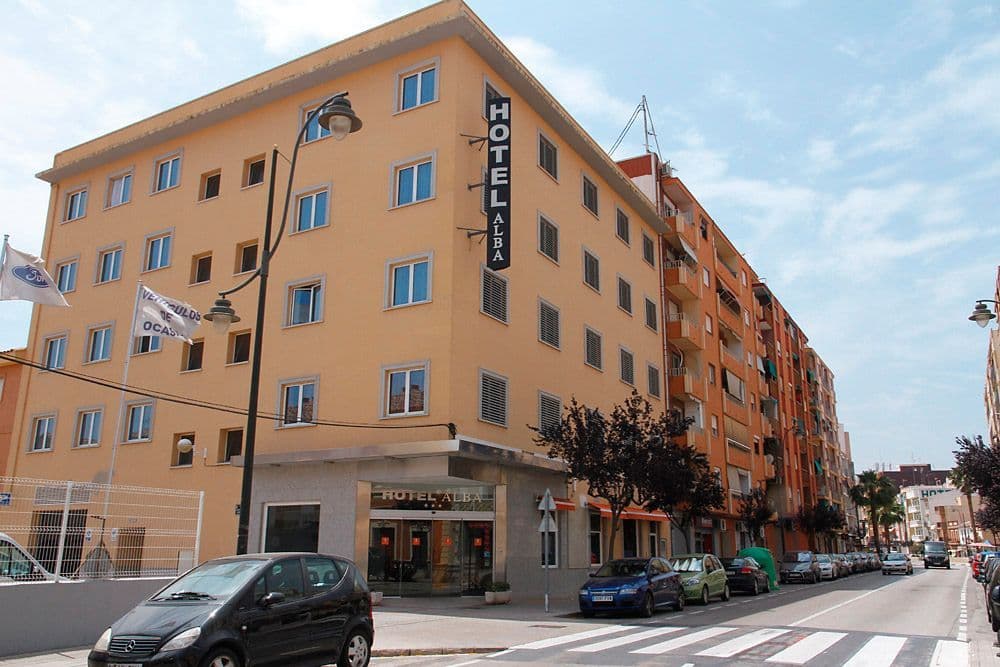
Modern and functional hotel, ideal for business stays or getaways near Valencia.
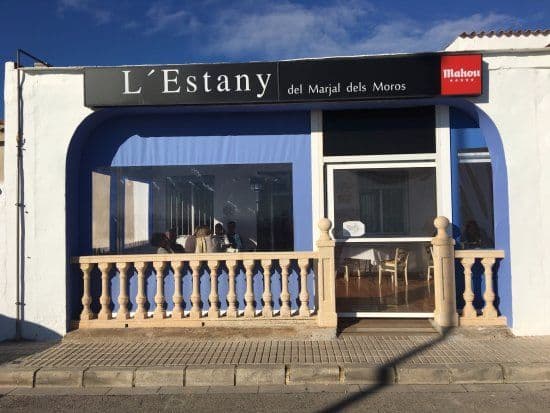
L’Estany is a restaurant that offers an experience linked to the rhythms of the sea and Mediterranean coastal culture. In a rustic setting, surrounded by nature, its menu features rice dishes, fresh fish, and grilled meats, with a Valencian essence alongside the Marjal dels Moros wetlands.
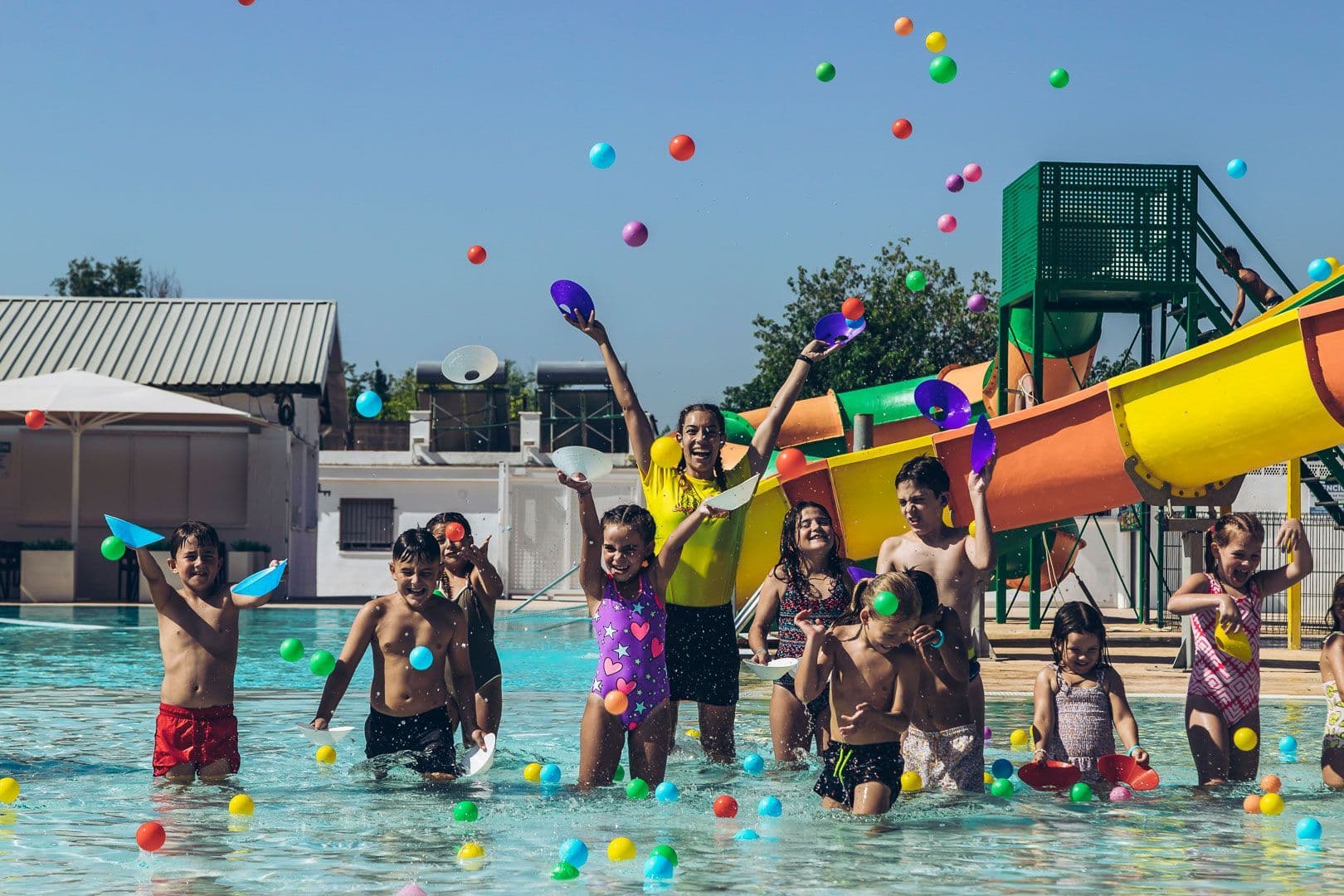
Quiet and welcoming campsite with a family atmosphere next to the Mediterranean Sea.
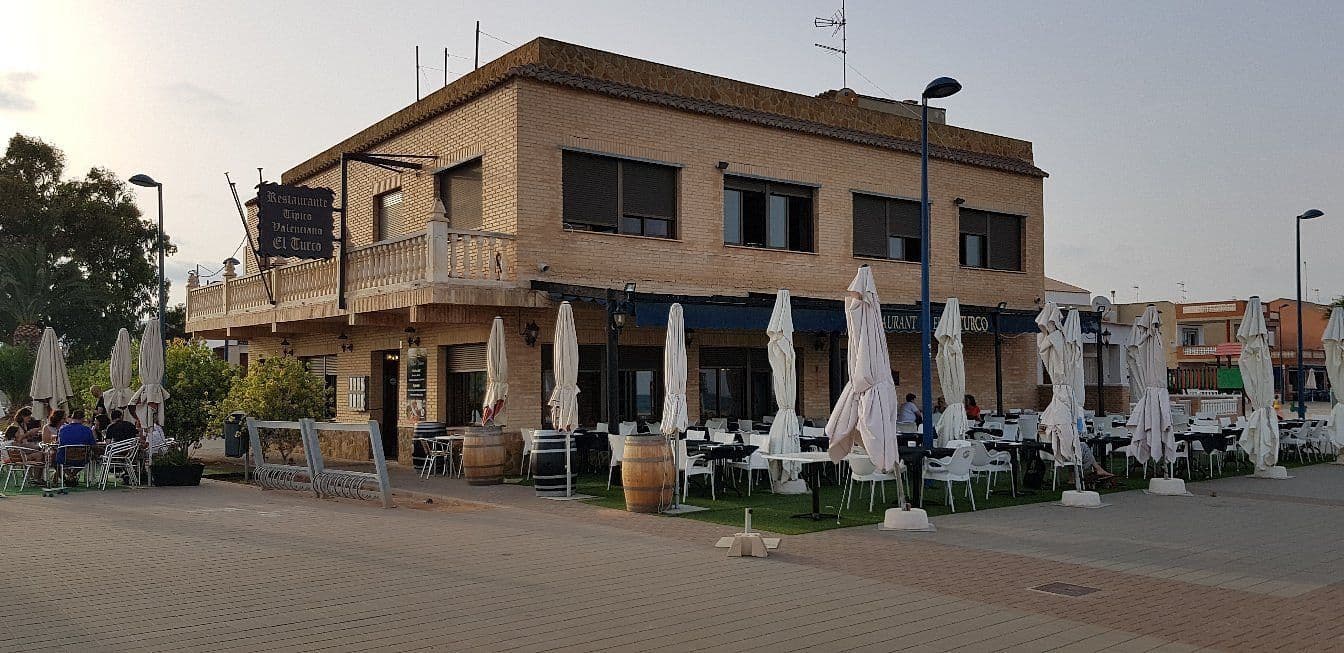
A restaurant with a Mediterranean essence where you can enjoy rice dishes, tapas, and fish from traditional Valencian cuisine in a friendly and welcoming atmosphere. El Turco combines a warm, family-friendly atmosphere with authentic flavors overlooking the sea in Puçol.
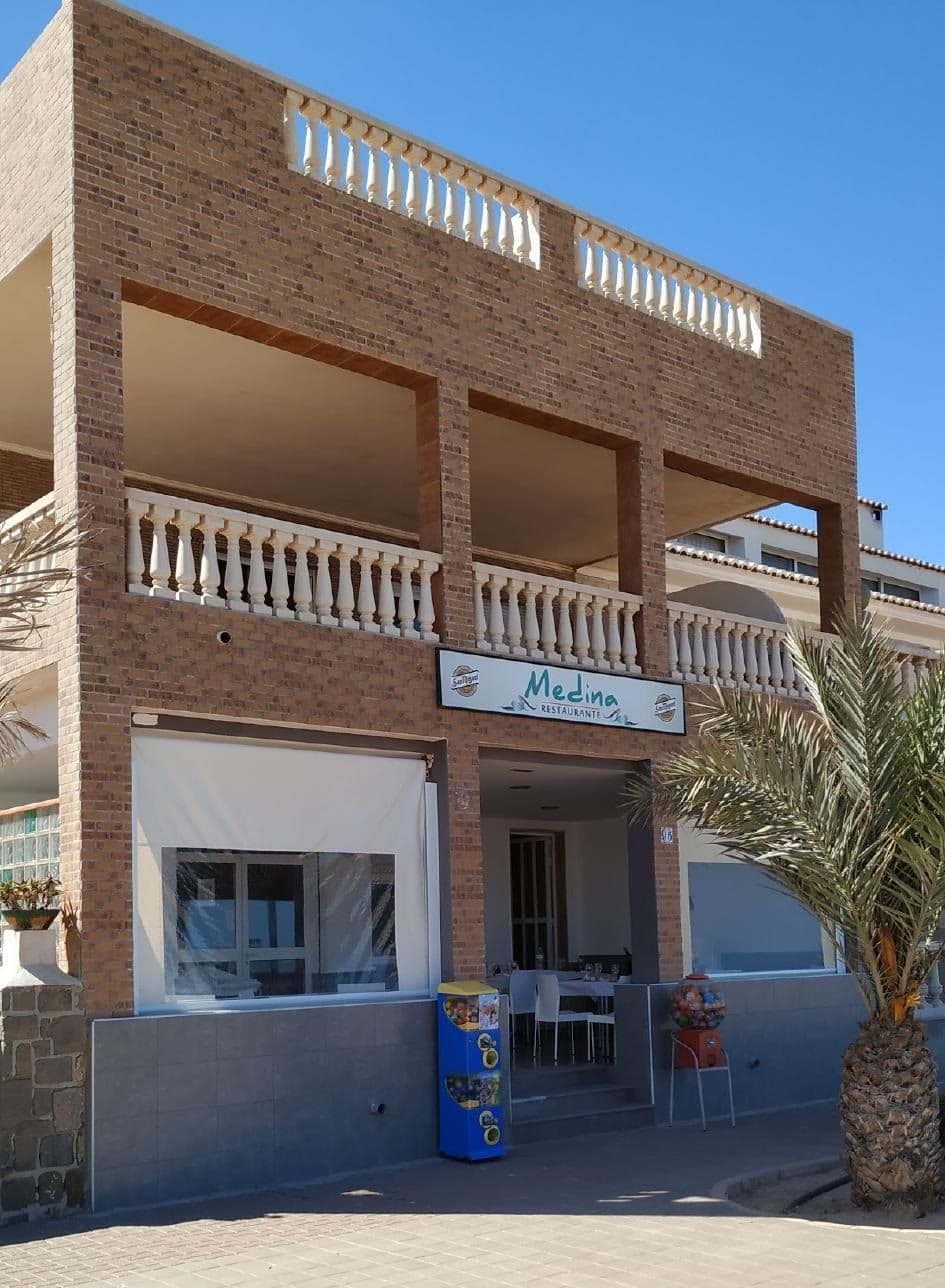
Bar Medina is a traditional meeting point on Puçol beach, ideal for enjoying tapas, meals and a friendly and relaxed atmosphere at any time of day.
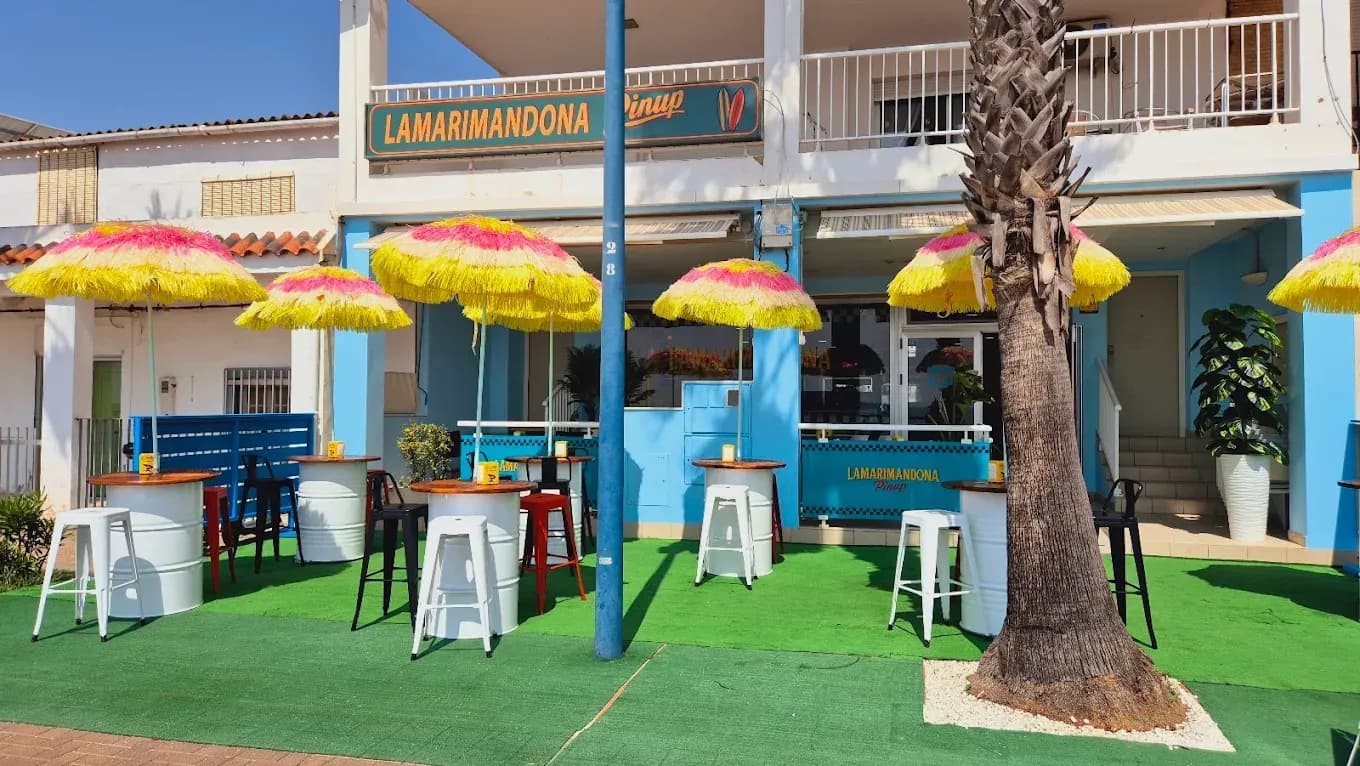
La Marimandona PinUp combines style and fun in its retro decor and musical ambiance. A place designed to enjoy great burgers and a variety of options from other culinary cultures.
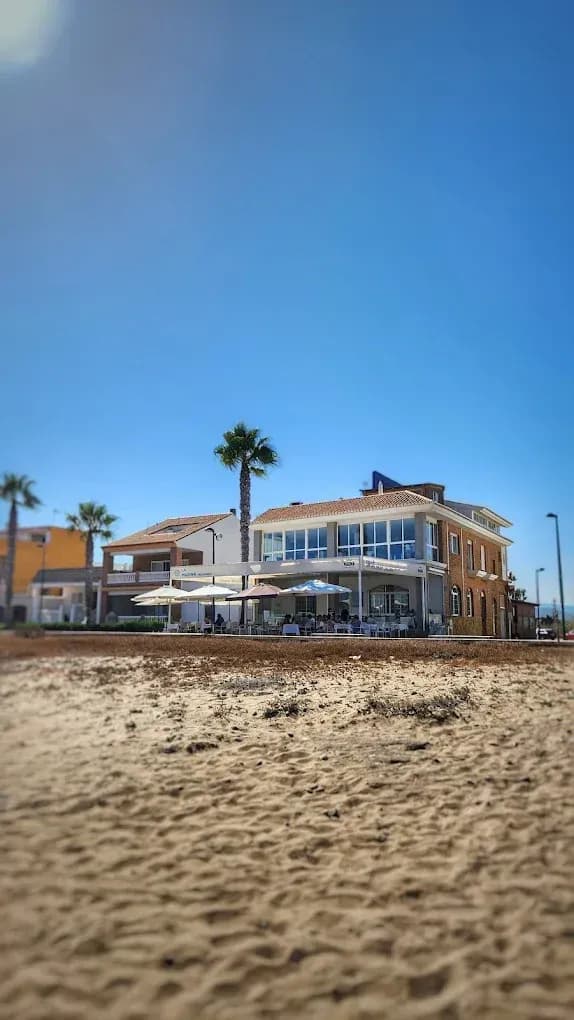
La Marina is a renowned restaurant on Puçol beach, specializing in Mediterranean cuisine, rice dishes, and fresh seafood. It's a place designed for enjoying tradition, flavor, and tranquility overlooking the Mediterranean.
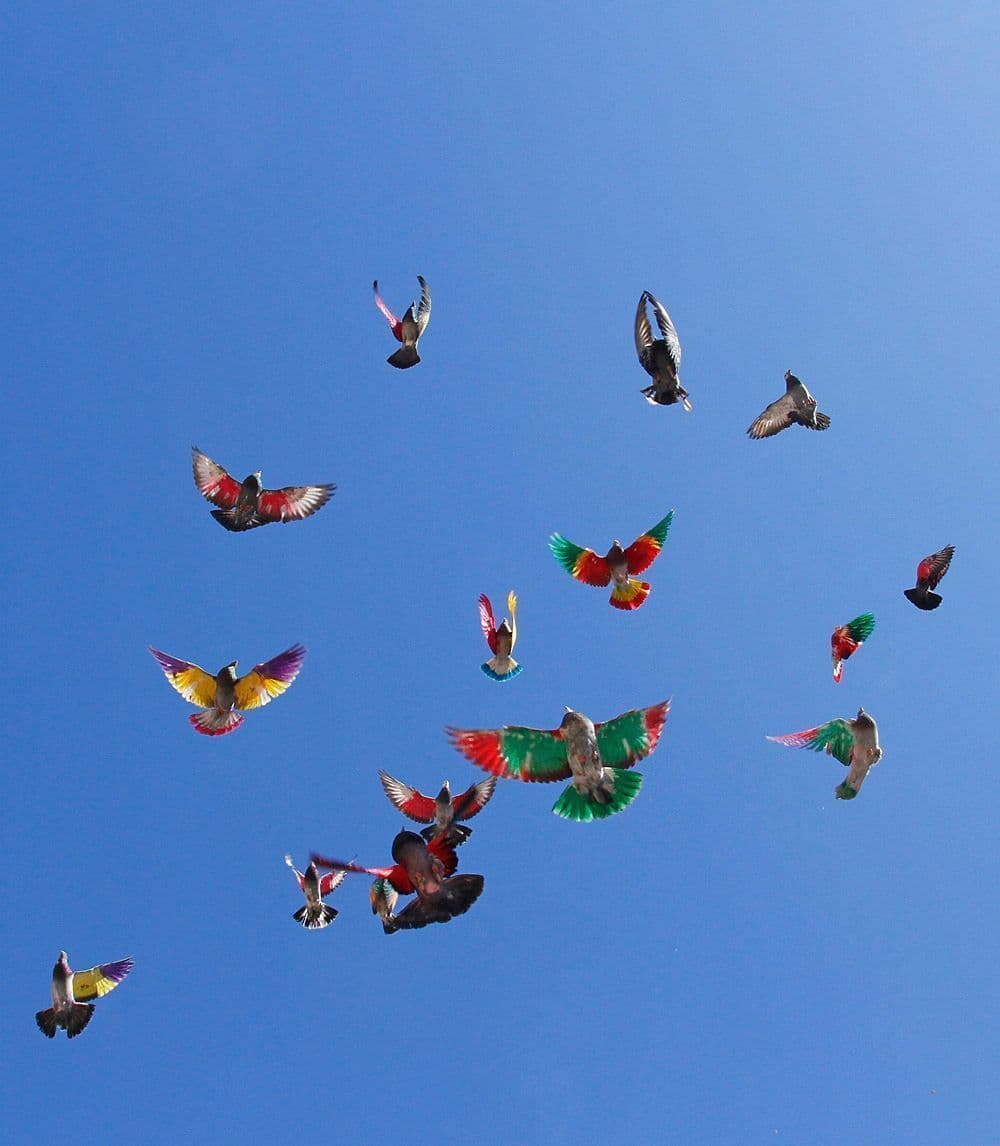
Traditions
Short description for Traditions
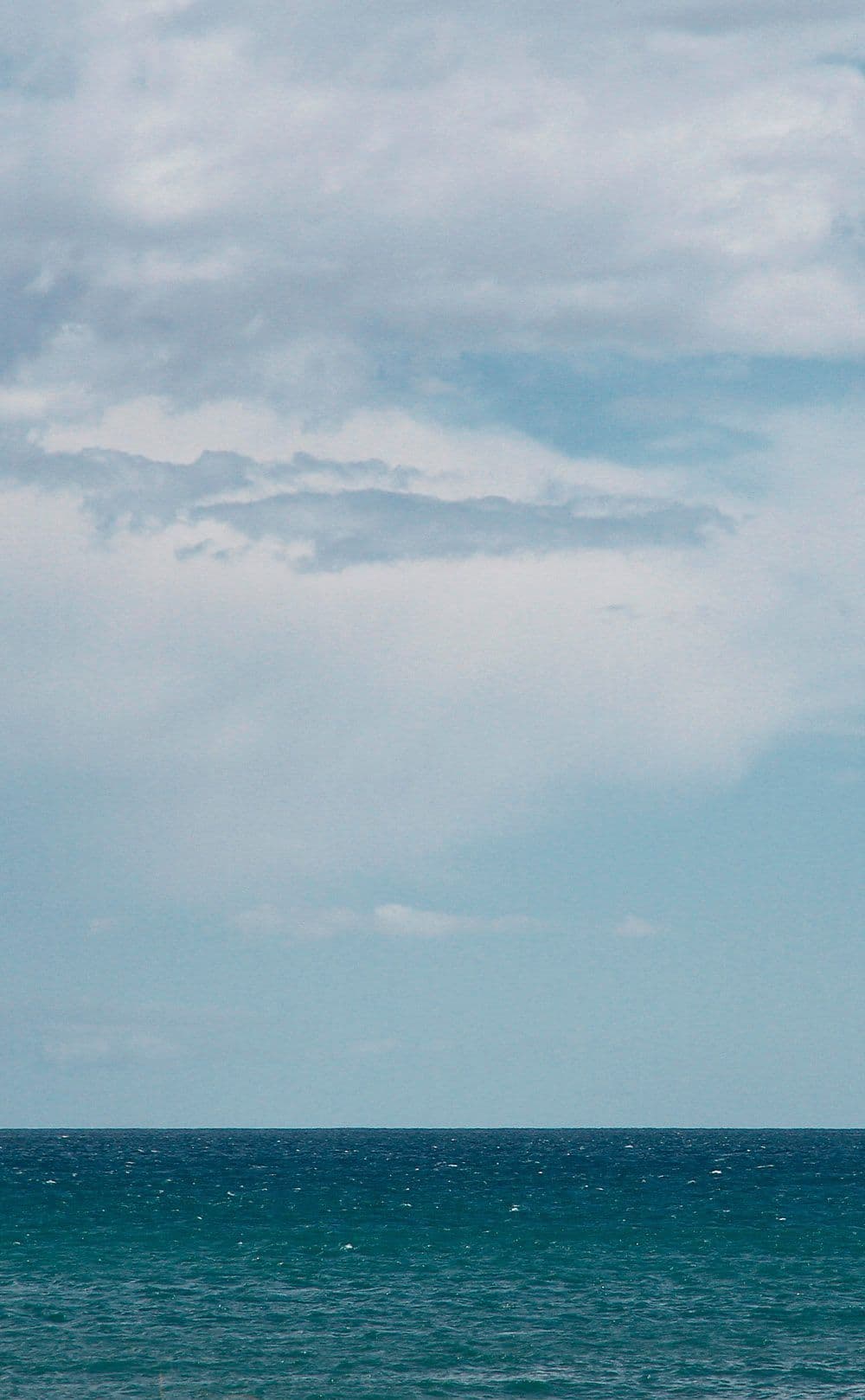
Sun and beach
Puçol beach offers you different possibilities, from scuba diving activities to moments of complete tranquility under the warm Mediterranean sun, all backed by three quality distinctions
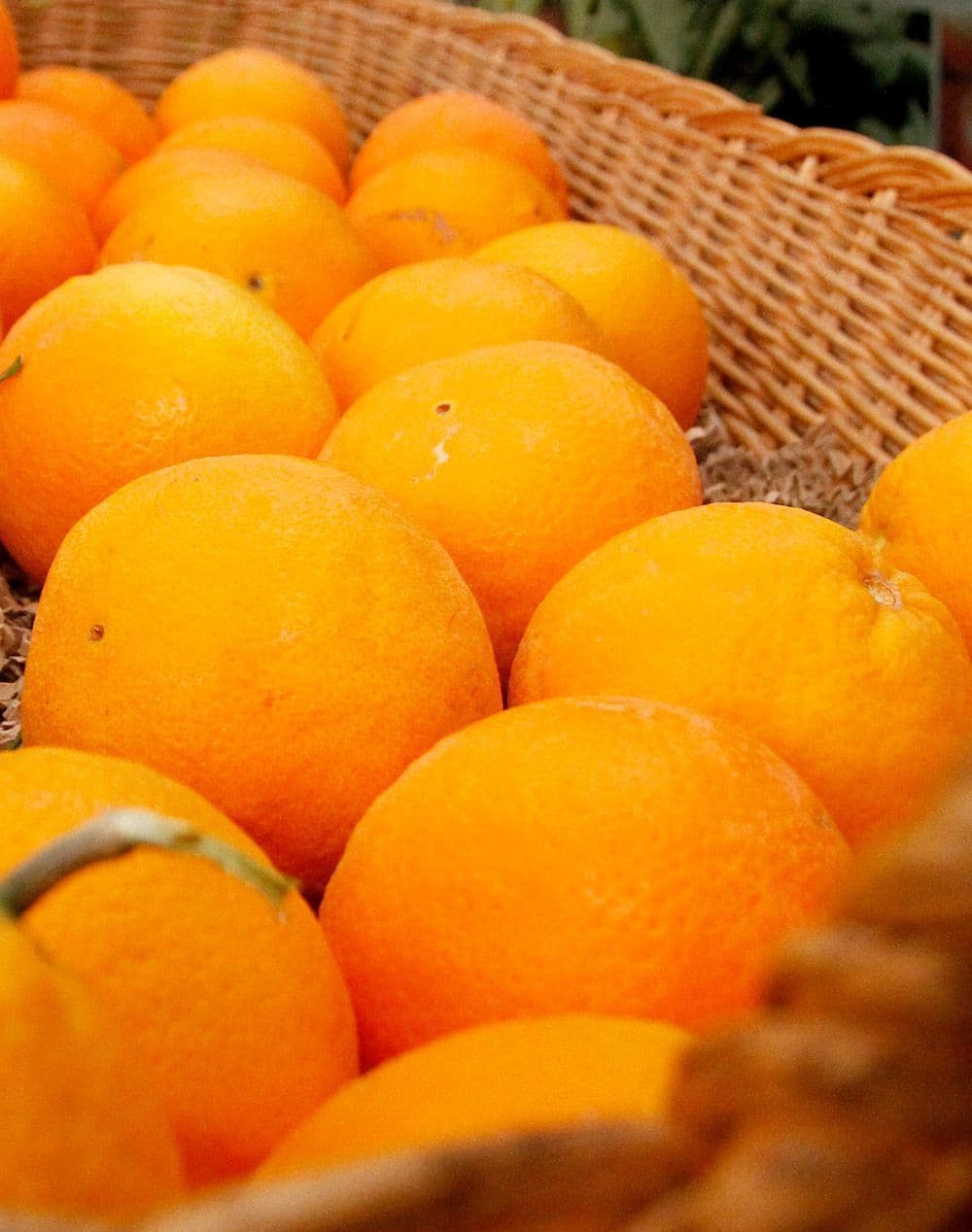
Typical dishes
Paella, rabbit, eels or stew are the traditional first courses, always accompanied by sweets such as brazo de gitano or torta, not forgetting the orange
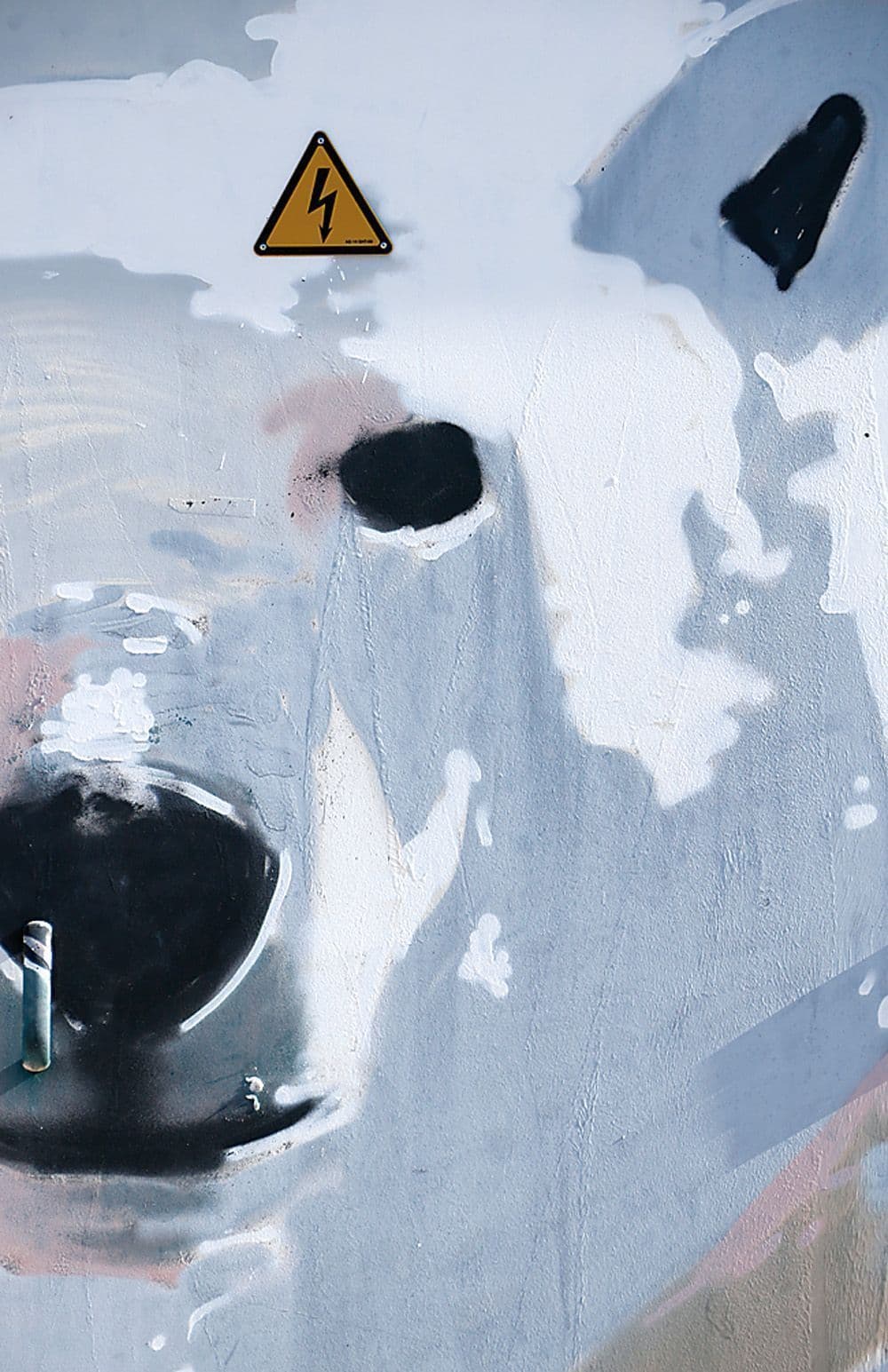
Open-air museum
The competition helps to position graffiti as an artistic expression of interest to the general population, helping to improve their quality of life by enhancing the environment.
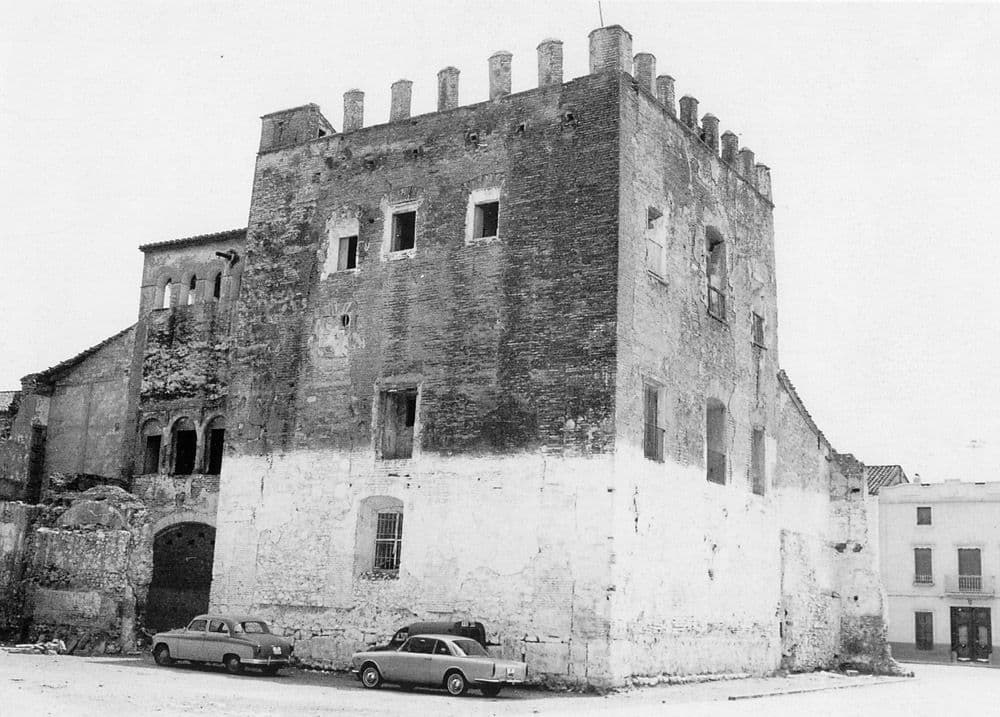
History
The origins of Puçol date back to Roman times, when it was called Puteus, which means "Well"
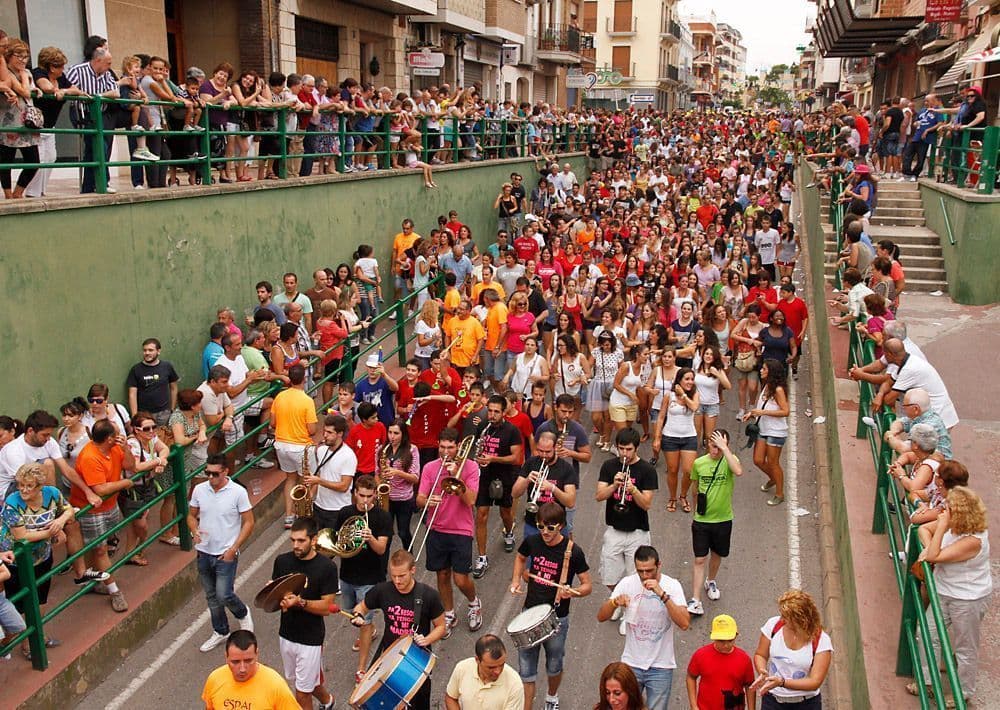
Parties
Short description for parties
Sports
Short description: Sports

Culture
Short description of culture